What is Dyed Diesel? The Texas Guide to Off-Road Fuel Rules (2026)
Fueling your heavy equipment with clear diesel isn't just an oversight; it's a voluntary tax that erodes your project's profitability before the first shovel hits the dirt. You're already managing tight margins and aggressive construction schedules in high-growth hubs like Houston and Dallas. The constant pressure to reduce overhead shouldn't be complicated by confusing EPA mandates or the fear of massive state fines for the accidental misuse of dyed diesel.
We understand that maintaining operational continuity requires more than just fuel; it requires a strategy that balances cost-efficiency with strict legal adherence. This guide gives you the definitive roadmap to mastering off-road fuel in Texas. You'll learn how to leverage tax-exempt fuel to lower your operational costs while ensuring your site remains 100% compliant with both IRS and Texas Comptroller regulations. We'll examine the technical requirements for off-road engines, the specific documentation needed to survive an audit, and how professional on-site delivery eliminates the downtime that kills your momentum.
Understanding Dyed Diesel: Purpose, Color, and Tax Status
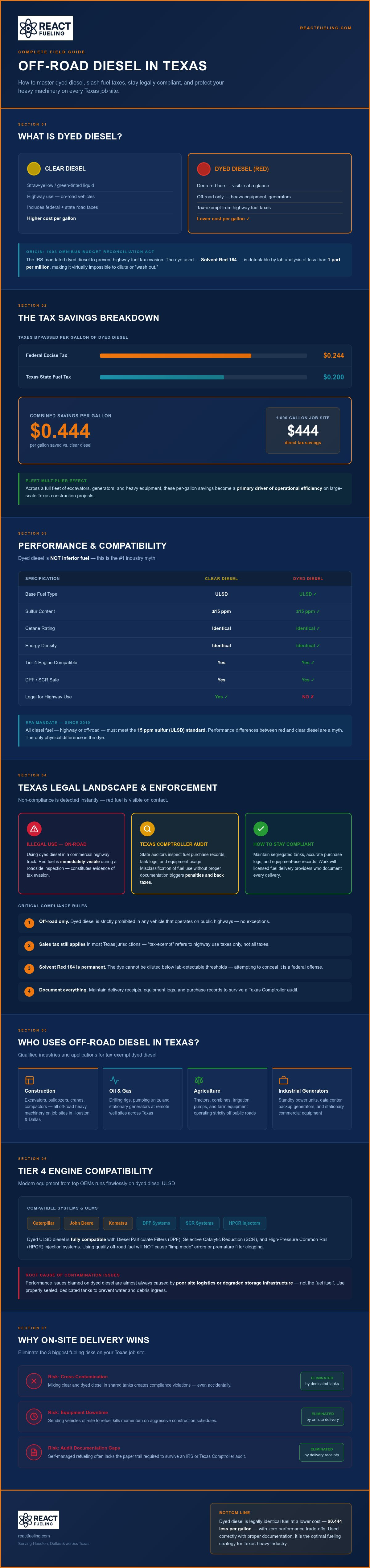
Dyed diesel serves as a strictly regulated marker within the energy sector, designed to separate tax-exempt fuel from standard highway-grade diesel. While both products typically share the same chemical base, the addition of a specific red dye signals that the fuel is intended exclusively for off-road machinery and stationary equipment. Visual identification is immediate; clear diesel appears as a straw-colored or slightly greenish liquid, whereas dyed diesel carries a deep, unmistakable red hue. This distinction allows site managers and regulators to verify compliance at a glance, protecting the integrity of the highway trust fund.
The term "tax-exempt" often leads to a common industry misconception. While using dyed diesel eliminates the heavy burden of federal and state highway use taxes, it doesn't necessarily mean the fuel is free of all taxation. In most Texas jurisdictions, you still pay state sales tax on the purchase unless your specific operation qualifies for an additional sales tax exemption. Managing these nuances is critical for maintaining accurate project ledgers and avoiding unexpected liabilities during a state audit.
Why is Diesel Dyed Red?
The requirement for coloring off-road fuel stems from the 1993 Omnibus Budget Reconciliation Act, which empowered the IRS to implement stricter controls over fuel tax collection. The dye functions as a silent auditor for the Department of Transportation and the IRS. If a roadside inspection reveals red fuel in the tank of a commercial truck, it serves as immediate evidence of tax evasion. Solvent Red 164 is a specialized alkyl derivative of azobenzene used to mark tax-exempt fuel, remaining detectable by lab analysis even at concentrations below 1 part per million. This chemical persistence makes it nearly impossible to "wash" or dilute the dye to hide its presence from authorities.
Off-Road vs. On-Road: The Financial Difference
The financial incentive for using dyed diesel is substantial for heavy-duty operations in hubs like Houston and Dallas. By utilizing off-road fuel, companies bypass the federal excise tax of 24.4 cents per gallon and the Texas state fuel tax of 20 cents per gallon. These savings accumulate rapidly across large-scale projects. For a typical Houston job site consuming 1,000 gallons of fuel, the direct tax savings alone total $444.00. When multiplied across a fleet of excavators and generators, this strategy becomes a primary driver of operational efficiency. React Fueling supports this bottom-line focus by providing reliable Diesel Delivery directly to your equipment, ensuring you capture these savings without the logistical headache of managing your own transport.
Performance and Compatibility: Is Red Diesel Different from Clear Diesel?
The belief that dyed diesel is a lower-quality or "dirty" alternative to clear diesel is a persistent myth that can lead to inefficient fueling strategies. In the United States, dyed diesel is typically refined from the exact same Ultra-Low Sulfur Diesel (ULSD) base as the fuel found at retail truck stops. It maintains identical cetane ratings and energy density, ensuring your heavy machinery operates at peak horsepower without any loss in thermal efficiency. The only physical difference is the addition of the red dye, which has no impact on the fuel's combustion properties or its ability to power demanding industrial loads.
Since 2010, EPA regulations have mandated that all diesel fuel, whether intended for highway use or off-road applications, must meet the 15 parts per million (ppm) sulfur limit. This uniformity in sulfur content was established to protect modern emissions control systems across all sectors. Contamination issues often attributed to the fuel itself are usually the result of poor site logistics or degraded storage infrastructure. React Fueling supports these high standards by offering Fuel Tank Rentals that ensure your off-road supply remains segregated and free from environmental debris, preserving the integrity of the fuel from delivery to ignition.
Dyed Diesel and Modern Tier 4 Engines
Modern Tier 4 engines rely on sophisticated exhaust after-treatment technologies, including Diesel Particulate Filters (DPF) and Selective Catalytic Reduction (SCR) systems. Because dyed diesel is a ULSD product, it's fully compatible with these components and won't cause the premature clogging or "limp mode" errors often feared by fleet managers. High-pressure common rail (HPCR) systems in equipment from Caterpillar, John Deere, and Komatsu require clean, water-free fuel to prevent injector wear. Maintaining a rigorous filtration schedule and using high-quality off-road fuel ensures these systems remain operational under the high-stakes conditions of a Texas job site.
Warranty and Manufacturer Guidelines
Major Original Equipment Manufacturers (OEMs) explicitly allow the use of dyed diesel, provided it meets the ASTM D975 standard for diesel fuel oils. Using red diesel won't void your equipment warranty. However, manufacturers often require detailed documentation during a warranty claim to prove that the fuel used met the necessary quality specifications. Keeping precise delivery receipts and maintaining a clean storage environment are your best defenses against disputed claims. Additionally, remember that Tier 4 engines require a consistent supply of Diesel Exhaust Fluid (DEF) to function. Bundling your fuel needs with a professional service ensures you never face downtime due to a lack of critical fluids.
Texas Regulations and Fines: Navigating the Legal Landscape
The Texas Comptroller of Public Accounts maintains strict oversight of fuel tax enforcement across the state. To purchase dyed diesel without paying the state motor fuel tax, Texas businesses must typically provide a signed statement or maintain an active End User Number, such as an Agricultural and Timber Exemption or a Bonded User permit. This system ensures that tax-exempt fuel remains within the industrial and agricultural sectors where it belongs. Failing to secure the proper credentials before delivery can lead to immediate complications during a state audit, potentially resulting in the loss of your tax-exempt status.
Legal applications for red fuel include stationary generators, construction equipment, agricultural machinery, and refrigerated trailer units (reefers) that utilize a separate fuel tank. The rule for illegal use is absolute: any vehicle equipped with a license plate for highway use cannot operate on dyed diesel, even for a short distance. This applies to pickup trucks and commercial haulers alike. Compliance starts with the paperwork. Texas law requires that all invoices for tax-exempt fuel include the specific statement "dyed diesel fuel, extremely high sulfur content, for off-road use only" to clearly define the product's intended purpose.
The Cost of Non-Compliance in Texas
The financial consequences of fuel tax evasion are severe and often outweigh any perceived savings from misuse. Texas state fines are calculated at $10 per gallon or $1,000 per violation, whichever amount is greater, for the first offense. These penalties scale quickly for repeat offenders or large-scale violations. On a federal level, the IRS imposes a separate penalty of $1,000 or $10 per gallon plus the payment of all back taxes. Beyond these civil penalties, the Texas Comptroller can pursue criminal charges. In cases of intentional fraud or large-volume tax evasion, the offense can be prosecuted as a third-degree felony, carrying significant prison time and permanent damage to your corporate reputation.
How DOT 'Dips' Your Tank
Field enforcement often involves roadside inspections where Department of Transportation (DOT) officers or Comptroller agents perform a "dip" test on fuel tanks. They use a clear glass or plastic tube to extract a sample and visually verify the fuel's color. Because Solvent Red 164 is highly concentrated, it remains detectable long after you've attempted to switch back to clear diesel. Under the strict "contamination" rule, even a trace amount of red dye found in a highway vehicle makes the entire tank illegal for on-road use. This makes it vital to use dedicated Equipment Fueling Service providers who understand the risks of cross-contamination and maintain the integrity of your fuel supply chain.
Maximizing ROI: How Texas Industries Use Off-Road Fuel
Capturing the financial benefits of dyed diesel requires more than just a tax-exempt certificate; it demands a logistical strategy that aligns with the specific needs of your industry. In high-demand markets like Dallas and Houston, construction firms rely on off-road fuel to power earthmovers, excavators, and high-intensity site lighting. Beyond the job site, industrial manufacturing plants utilize this fuel for stationary engines and heavy processing equipment. Even the logistics sector finds value in red diesel, specifically for powering the refrigeration units on trailers (reefers) to maintain temperature-controlled environments without the added cost of highway taxes.
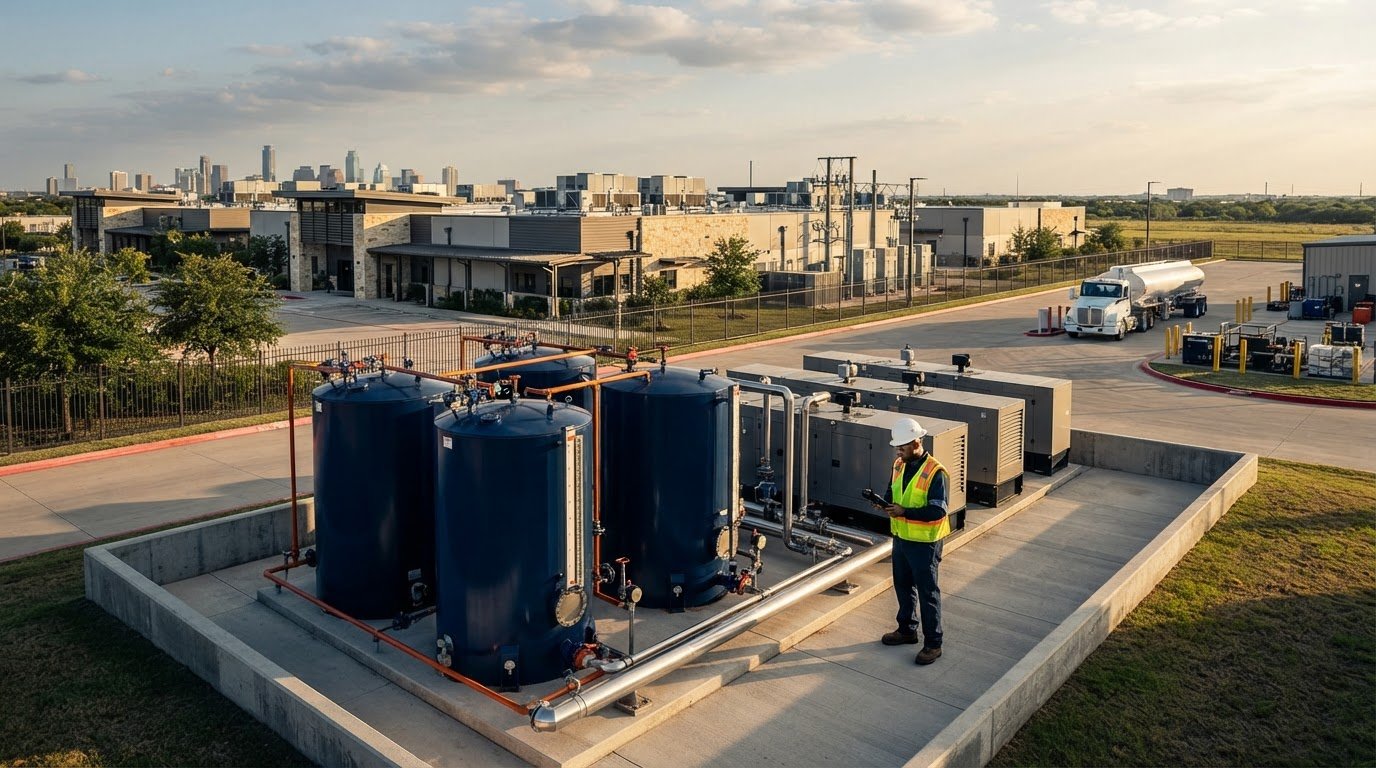
The return on investment (ROI) is most evident when you move beyond the pump. For critical infrastructure, such as data centers and hospitals, dyed diesel is the lifeblood of emergency preparedness. These facilities face the physical reality of Texas grid instability and can't afford a single second of power loss. By integrating a dedicated fuel management plan, these organizations ensure their stationary assets are always ready for deployment, regardless of external conditions.
Strategic Fueling for Construction Sites
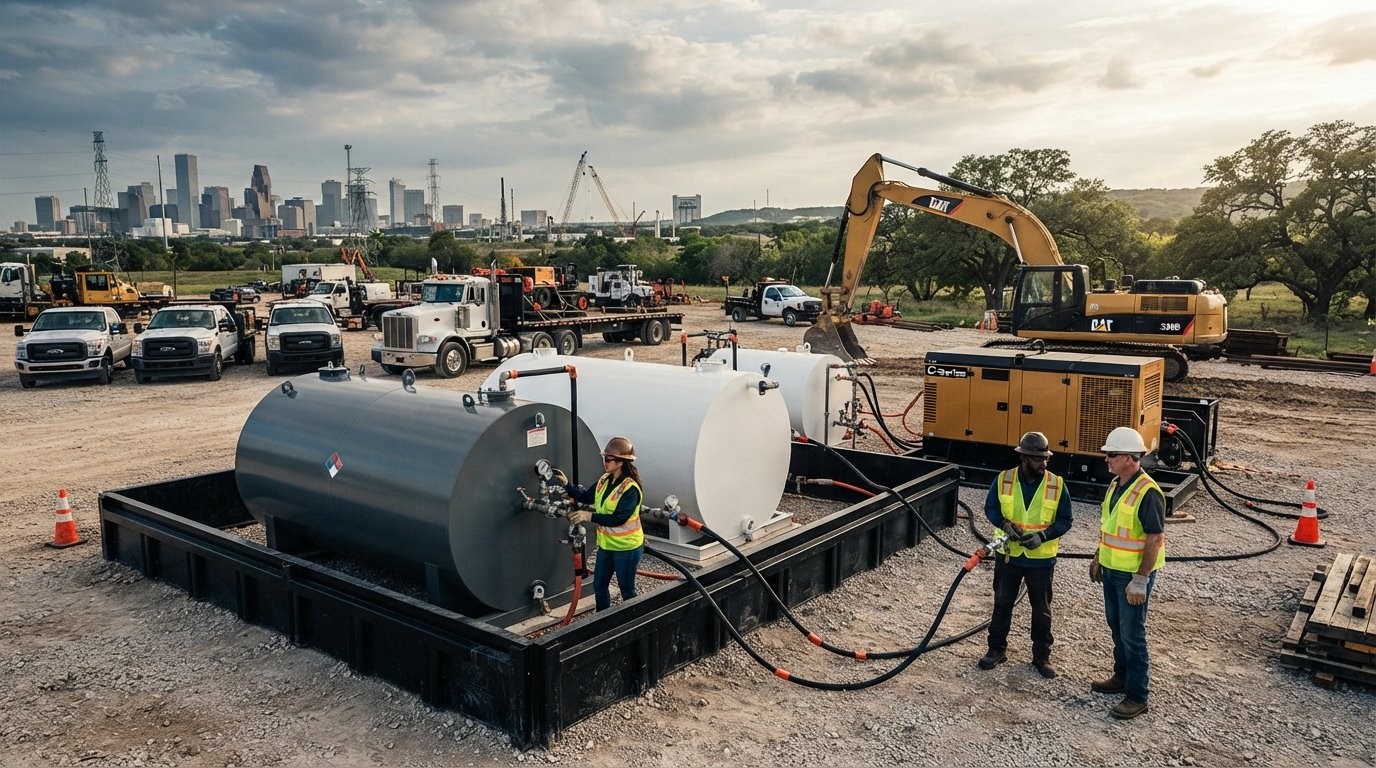
Sending heavy machinery to a retail pump is often impossible and always inefficient. The real ROI of tax-exempt fuel is found in professional on-site delivery. This "Downtime Killer" strategy saves an average of 30 minutes or more per machine every day by eliminating the need for operators to manage their own refueling. When you scale this across a fleet of 20 excavators, you're recovering 10 hours of productive labor daily. Our Equipment Fueling Service streamlines this process, delivering fuel directly to your tanks while your crew focuses on the project at hand. We also provide DEF delivery to ensure your Tier 4 engines remain compliant and operational without separate logistical hurdles.
Emergency Power and Disaster Recovery
Standby generators in San Antonio and Austin are only as reliable as the fuel they contain. Because these systems may sit idle for months, maintaining fuel quality is paramount. Using stabilizers and regular testing prevents the degradation that leads to engine failure during a crisis. React Fueling acts as a vigilant partner for these facilities, providing 24/7 emergency response to keep critical systems online during natural disasters or grid failures. Our dedicated logistics network ensures that when the power goes out, your facility has the stabilized, high-quality fuel required to maintain continuity until the primary grid is restored.
Reliable Off-Road Diesel Delivery in Houston and Beyond
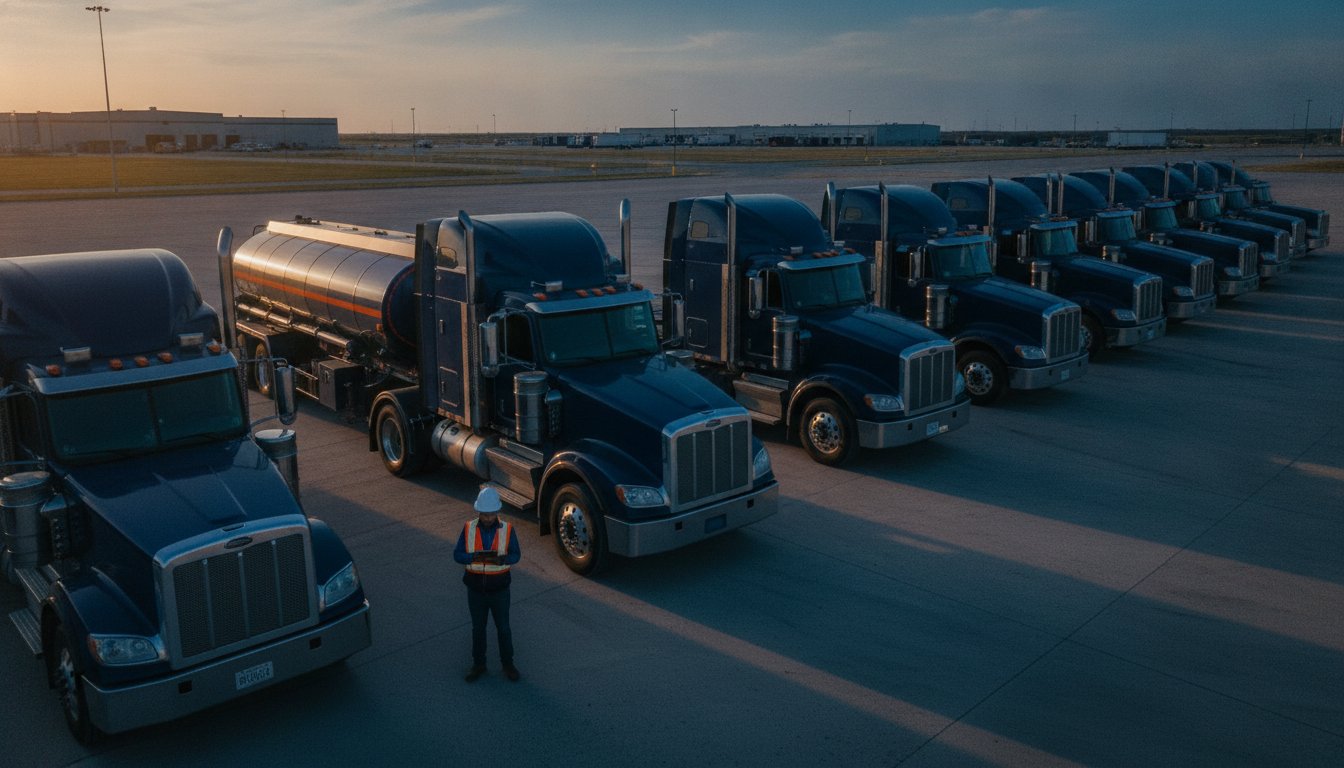
React Fueling operates a high-capacity logistics network spanning major Texas industrial hubs, including Houston, Magnolia, San Antonio, and Dallas. We recognize that a missed delivery doesn't just stall a single machine; it compromises your entire project timeline and erodes your margins. As your vigilant partner, we take total control over your fuel supply chain, monitoring consumption patterns to ensure your site remains active around the clock. Our team provides compliance-ready invoicing that includes all necessary state and federal markings, simplifying your record-keeping for future tax audits and ensuring you have the documentation required to prove the legal use of your dyed diesel supply.
Custom Delivery Schedules for High-Volume Sites
Operational requirements shift as projects move from initial site clearing to heavy vertical construction. We offer flexible delivery options, including daily, weekly, or on-call services tailored to your current burn rate. For sites with limited space or high-traffic constraints, our direct-to-equipment fueling, or wet-hosing, delivers fuel directly into the tanks of your machinery during off-hours. This eliminates the need for large on-site storage and maximizes your crew's productivity from the moment they arrive. For larger operations, bulk tank drops provide a steady reservoir of fuel for continuous use. You can learn more about optimizing these logistics in our Commercial Diesel Delivery in Houston: A Reliability Guide.
Safe Storage with Portable Tank Rentals
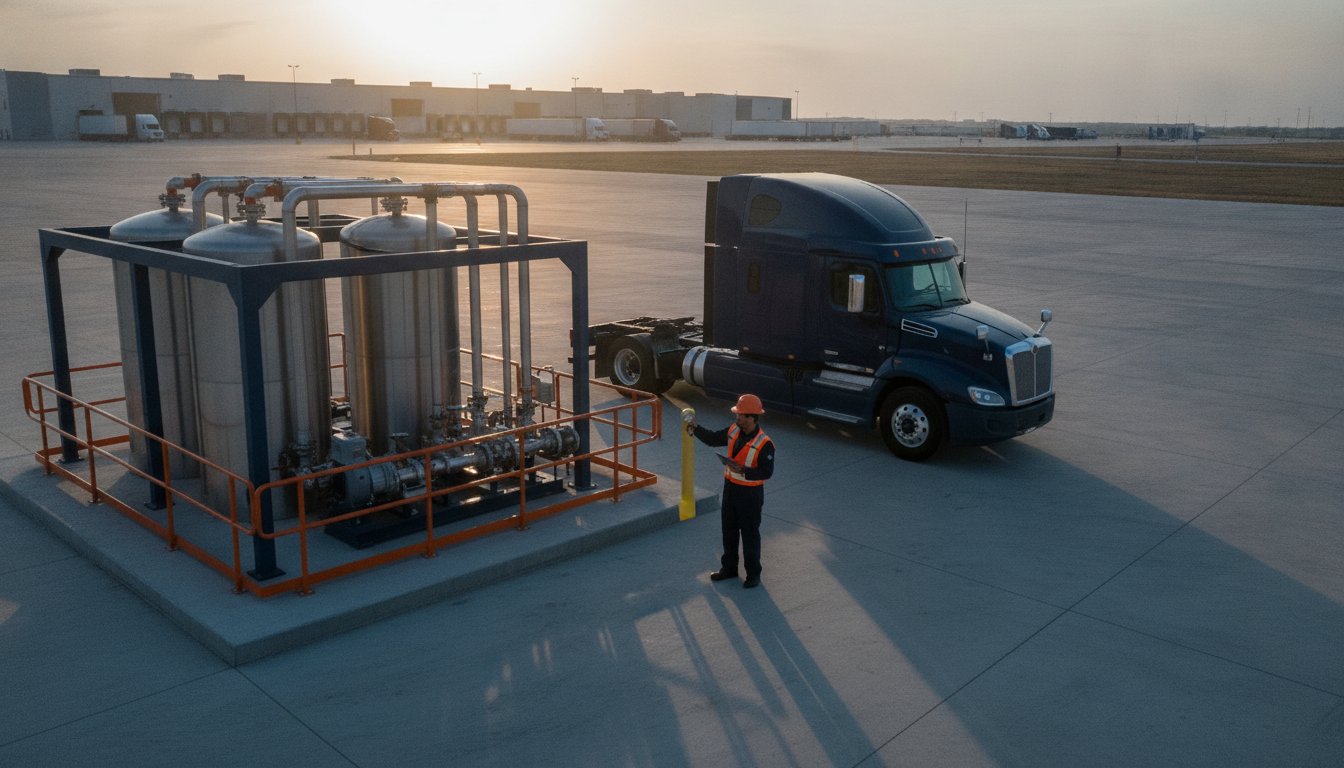
Maintaining the integrity of your dyed diesel supply requires dedicated, professional-grade infrastructure. Mixing tax-exempt fuel with clear diesel in a shared tank is a fast track to DOT violations and costly engine performance issues. Our portable Fuel Tank Rentals provide a secure, secondary containment solution that prevents environmental spills and site contamination. These units allow you to clearly segregate your off-road and on-road supplies, ensuring every drop of fuel is used legally and efficiently. By centralizing your storage in high-quality tanks, you mitigate the risk of ground contamination and protect your machinery from the sediment often found in aging, substandard equipment. This foresight prevents the interruptions that derail high-stakes industrial projects. Contact React Fueling for a custom off-road diesel quote today.
Protect Your Margins with Compliant Fuel Logistics
Mastering the use of dyed diesel is a critical step in optimizing your project's financial performance without compromising on regulatory safety. You've seen that while the chemical properties of off-road fuel match highway-grade diesel, the legal requirements for its use in Texas are absolute. Maintaining accurate records and utilizing dedicated storage solutions are your best defenses against the severe penalties imposed by the Texas Comptroller and the IRS.
Operational continuity depends on a fuel partner that understands these high stakes. As a member of the React Holdings family, React Fueling provides the local expertise and 24/7 emergency response needed to keep your equipment running across Houston, Dallas, San Antonio, and Austin. We handle the logistics and compliance-ready documentation so you can focus on the physical reality of your construction or industrial site. This proactive approach eliminates the stress of potential downtime by ensuring your fuel levels are always managed with precision.
Request a Dyed Diesel Delivery Quote from React Fueling to secure your supply and eliminate downtime. Your site stays moving, your margins stay protected, and your compliance stays certain.
Common Questions About Texas Off-Road Fuel
Can I use dyed diesel in my personal pickup truck if I only drive it on my farm?
No. Texas law prohibits the use of dyed diesel in any vehicle registered for highway use, regardless of where it is physically driven. If your pickup truck has a license plate, it must run on clear diesel. DOT inspectors don't distinguish between private farm use and public road use when they find red dye in a registered vehicle's tank. Stick to clear fuel for all plated vehicles to avoid heavy state fines.
Is red diesel bad for my engine's warranty?
Using dyed diesel won't void your engine warranty as long as the fuel meets ASTM D975 specifications for diesel fuel oils. Modern off-road fuel is refined to the same Ultra-Low Sulfur Diesel (ULSD) standards as highway fuel. Major manufacturers like Caterpillar and John Deere explicitly support its use. Always keep your delivery receipts to prove fuel quality during a warranty claim. This documentation is your best defense against disputed engine repairs.
How much can I save per gallon by using dyed diesel in Texas?
You save approximately 44.4 cents per gallon in combined federal and state taxes. This includes the 24.4-cent federal excise tax and the 20-cent Texas state motor fuel tax. For high-volume operations using thousands of gallons, these savings represent a significant reduction in project overhead. These tax exemptions are specifically designed to support off-road industrial and agricultural productivity. Capturing these savings directly improves your project's bottom line.
Does dyed diesel have a shorter shelf life than clear diesel?
Dyed diesel has the same shelf life as clear diesel because they share the same chemical base. Most diesel fuel remains stable for six to twelve months when stored in a cool, dry environment. Degradation is caused by moisture, oxidation, and microbial growth rather than the presence of Solvent Red 164. Using stabilized fuel in your standby generators ensures reliability during long periods of inactivity. Proper storage prevents the contamination that leads to engine failure.
What happens if I accidentally put dyed diesel in an on-road vehicle?
You must drain and clean the fuel system immediately to remove the dye markers. Even a small amount of red dye contaminates a full tank of clear fuel, making it illegal for on-road use. If a DOT inspector detects any trace of dye during a roadside "dip" test, you face the same heavy fines as intentional tax evaders. Promptly flushing the system is the only way to restore compliance and protect your business from legal action.
Do I need a special permit to buy dyed diesel in Houston?
Yes, you must have a valid Texas Comptroller End User Number or provide a signed statement to purchase fuel tax-free. This documentation proves to the state that the fuel is intended for non-highway use. React Fueling requires this information to ensure your deliveries meet all legal standards. Maintaining these records is essential for protecting your business during a state or federal fuel tax audit. Accurate paperwork is the foundation of a compliant fuel strategy.
Can dyed diesel be used in a home heating system?
Technically, dyed diesel is chemically compatible with most oil-fired heating systems, but its use is primarily industrial in Texas. While it functions similarly to No. 2 heating oil, the regulatory focus remains on off-road machinery and stationary engines. It's important to note that our services cater exclusively to commercial and industrial equipment fueling rather than residential heating applications. Always verify that your specific burner is rated for Ultra-Low Sulfur Diesel.
How does the IRS detect red dye if the tank is mostly clear fuel?
The IRS and DOT use specialized laboratory tests that identify the Solvent Red 164 marker at concentrations lower than 1 part per million. Even if you dilute a small amount of dyed fuel with a large volume of clear diesel, the chemical signature remains present. These markers are engineered to be nearly impossible to remove, making "tank washing" an ineffective and illegal strategy for avoiding fuel taxes. Forensic testing ensures that even trace amounts lead to enforcement.
Recent Posts