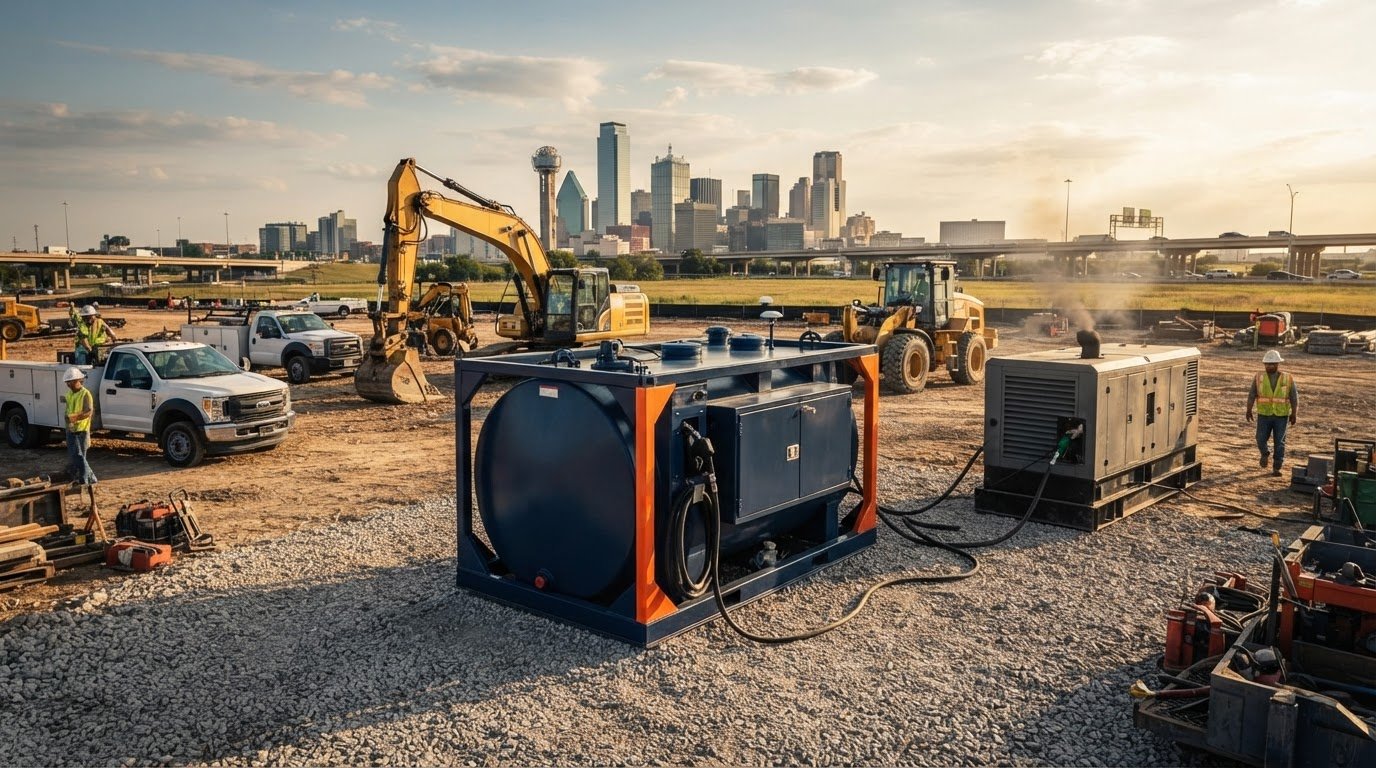
The Ultimate Checklist for Heavy Duty Equipment Fueling and Site Uptime
Every minute your excavator sits idle waiting for a fuel truck is profit leaking directly out of your project budget. Managing heavy duty equipment fueling shouldn't be a logistical nightmare that pulls operators away from their primary tasks or forces expensive machinery to crawl across a site to a central tank. You already know that the cost of a stalled site far exceeds the price of the diesel itself. Between the logistical strain of moving massive machinery and the constant worry of Texas heat affecting storage safety, the pressure to maintain uptime is relentless.
This guide provides a comprehensive checklist to help you master on-site logistics, eliminate fuel-related machinery failures, and remove the burden of fueling from your crew. By implementing a structured approach, you can transform fueling from a reactive chore into a precision-timed strategy. We'll examine how to build a reliable delivery schedule, ensure safety in extreme environments, and leverage direct-to-equipment services to keep your project moving forward without interruption. This is about more than just filling tanks; it's about protecting your bottom line through operational discipline.
The Logistics of Heavy Duty Equipment Fueling in 2026
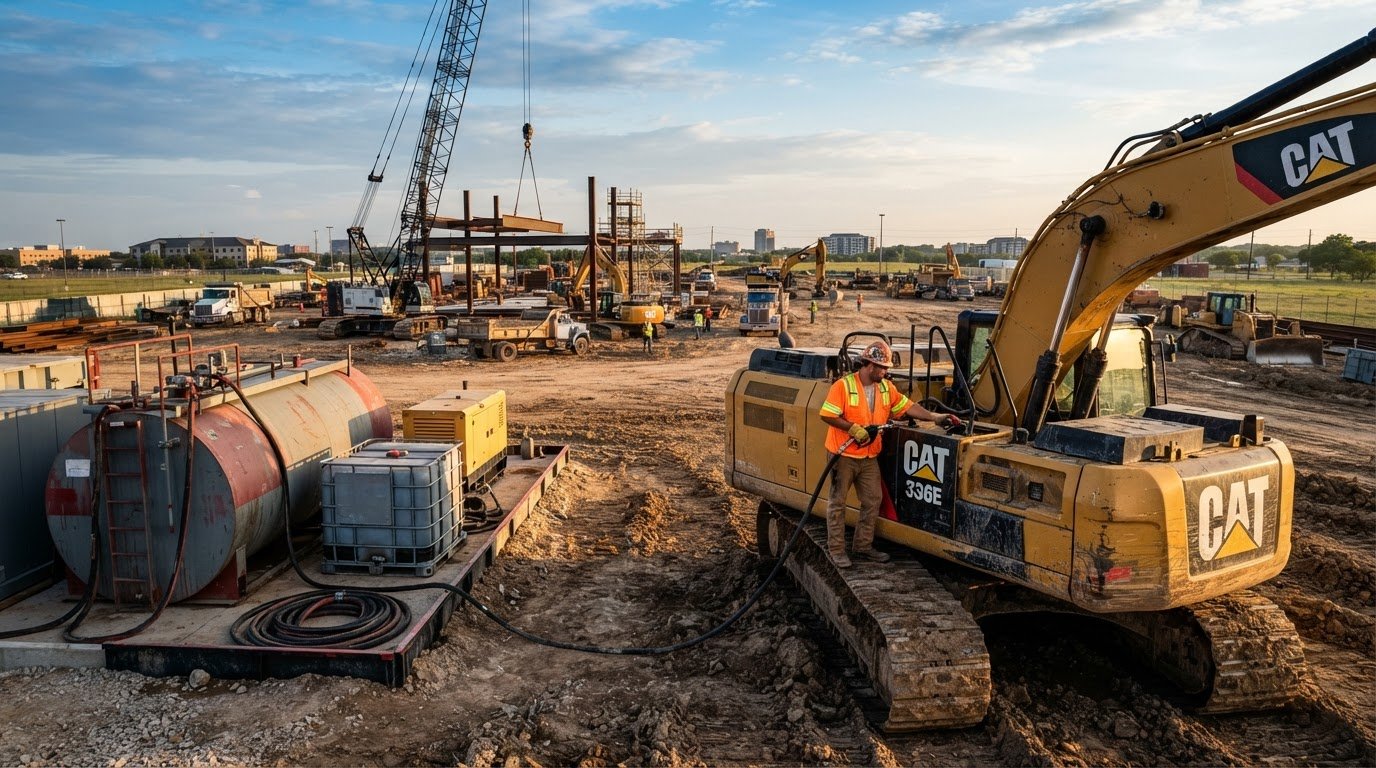
Effective heavy duty equipment fueling is no longer a simple maintenance task; it's a high-stakes logistics strategy that determines whether your project finishes on schedule. In a modern industrial environment, waiting for an operator to drive a scraper to a central tank is a failure of planning. Instead, site managers are shifting toward "wet hosing," a direct-to-tank delivery method where fuel is pumped into machinery while it's idle. This approach ensures your fleet is ready to work the moment the shift starts, effectively decoupling the fueling process from your active production hours.
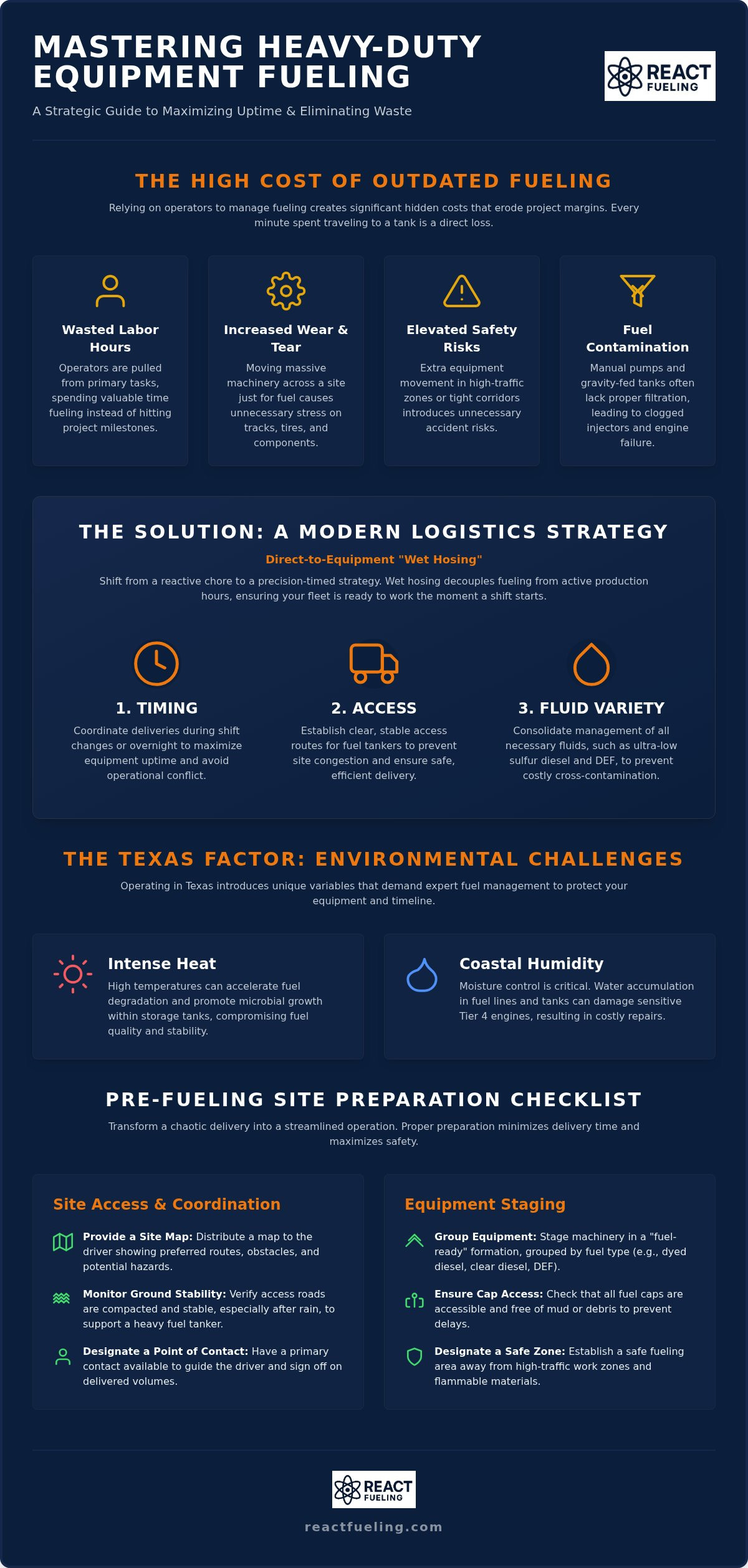
A successful fueling strategy relies on three core pillars: timing, access, and fluid variety. You must coordinate deliveries during shift changes or overnight windows to maximize uptime. Clear access routes for delivery trucks are essential to prevent site congestion and ensure safety. Finally, managing multiple fluids, such as ultra-low sulfur diesel and DEF, requires a consolidated approach to prevent cross-contamination and engine errors. In the competitive Texas construction market, these efficiencies often represent the difference between a profitable job and one plagued by cost overruns.
Why Traditional Refueling Methods Fail Modern Sites
Relying on operators to manage their own heavy duty equipment fueling creates significant hidden costs that erode your margin. Every hour an operator spends fueling is an hour they aren't moving dirt, grading surfaces, or hitting project milestones. Beyond labor, moving massive machinery across a site specifically for fuel increases unnecessary wear and tear on tracks and tires; it also introduces safety risks as heavy equipment navigates tight corridors or high-traffic zones. Traditional transfer methods, like using gravity-fed tanks or manual pumps, often lack the filtration systems needed to prevent site-wide contamination. This leads to clogged injectors and unexpected engine failure that stops work dead in its tracks.
The Texas Factor: Heat and Humidity in Fuel Management
Operating in Texas hubs like Houston or Dallas introduces unique environmental challenges that can't be ignored. Intense heat can accelerate fuel degradation and promote the growth of microbes within storage tanks. In humid coastal environments, moisture control becomes a critical priority to prevent water from accumulating in fuel lines. Managing these variables requires a deep understanding of construction site diesel management to ensure fuel stability and equipment health. Without proactive monitoring, the combination of high temperatures and airborne particles can compromise Tier 4 engines, resulting in costly repairs and site-wide delays that damage your reputation for reliability.
Pre-Fueling Checklist: Preparing Your Job Site
Preparation transforms a chaotic delivery into a streamlined operation. Optimizing your heavy duty equipment fueling starts long before the delivery truck arrives on site. Without a clear plan for equipment placement and truck access, you risk turning a 30 minute refueling window into a multi-hour delay. A well prepared site ensures that every gallon is delivered safely and efficiently, allowing your crew to focus on production rather than logistics. This phase of the checklist focuses on the physical environment and coordination required to support high volume fuel transfers.
Site Access and Delivery Coordination
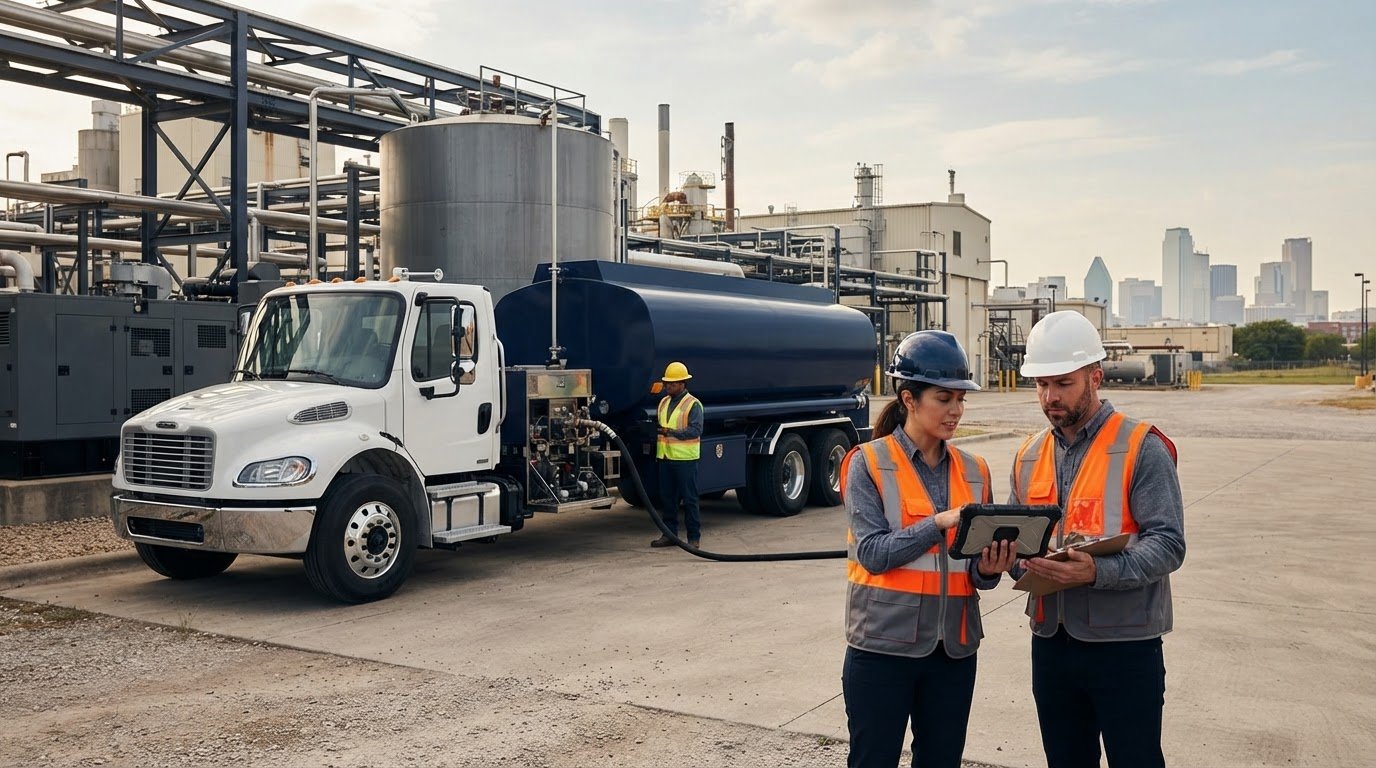
Effective site coordination prevents bottlenecks and keeps the delivery schedule on track. You must ensure clear ingress and egress paths that can accommodate the weight and turning radius of a large fuel tanker. When a truck enters a site without a designated route, it risks getting stuck or blocking active machinery, which immediately drives up labor costs. Consider the following steps for driver coordination:
- Provide a Site Map: Distribute a digital or physical map to the driver highlighting preferred paths, overhead obstacles, and underground hazards.
- Monitor Ground Stability: Texas rain events can quickly turn a solid path into a mud pit. Verify that access roads are compacted and stable enough for heavy fuel trucks to prevent costly recovery efforts.
- Designate a Point of Contact: Establish a primary contact person who is available to guide the equipment fueling service driver and sign off on delivered volumes.
Equipment Staging for Efficient Wet Hosing
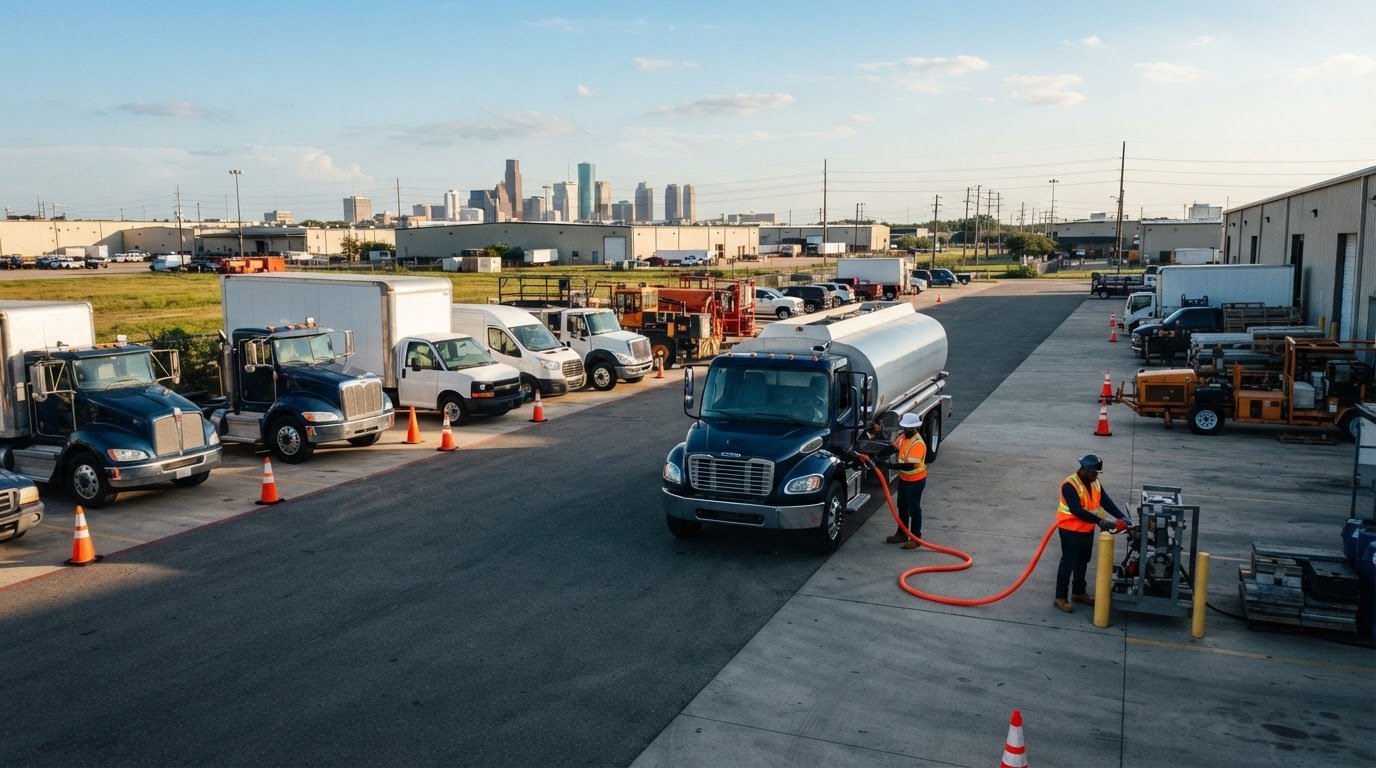
Staging machinery in a "fuel-ready" formation is the most effective way to minimize delivery time. When machines are scattered across a 50 acre site, the delivery truck spends more time navigating terrain than actually pumping fuel. Standardizing your end of shift placement creates a predictable path for the fuel technician. Group your equipment by fuel type, separating machines that require dyed diesel from those using clear diesel or specialty fluids. This organization reduces the risk of misfueling and speeds up the "night-run" process.
Before the truck arrives, ensure all fuel caps are accessible and free of mud or debris. In the high stakes environment of a Texas job site, a single jammed cap or blocked access point can stall the entire fueling sequence. Safety remains the priority; always designate a safe fueling zone away from high traffic work areas and flammable materials. If you're ready to optimize your site's fuel logistics and eliminate unnecessary downtime, speak with a logistics specialist today to refine your heavy duty equipment fueling plan.
Fuel Quality and Storage: A Safety Checklist
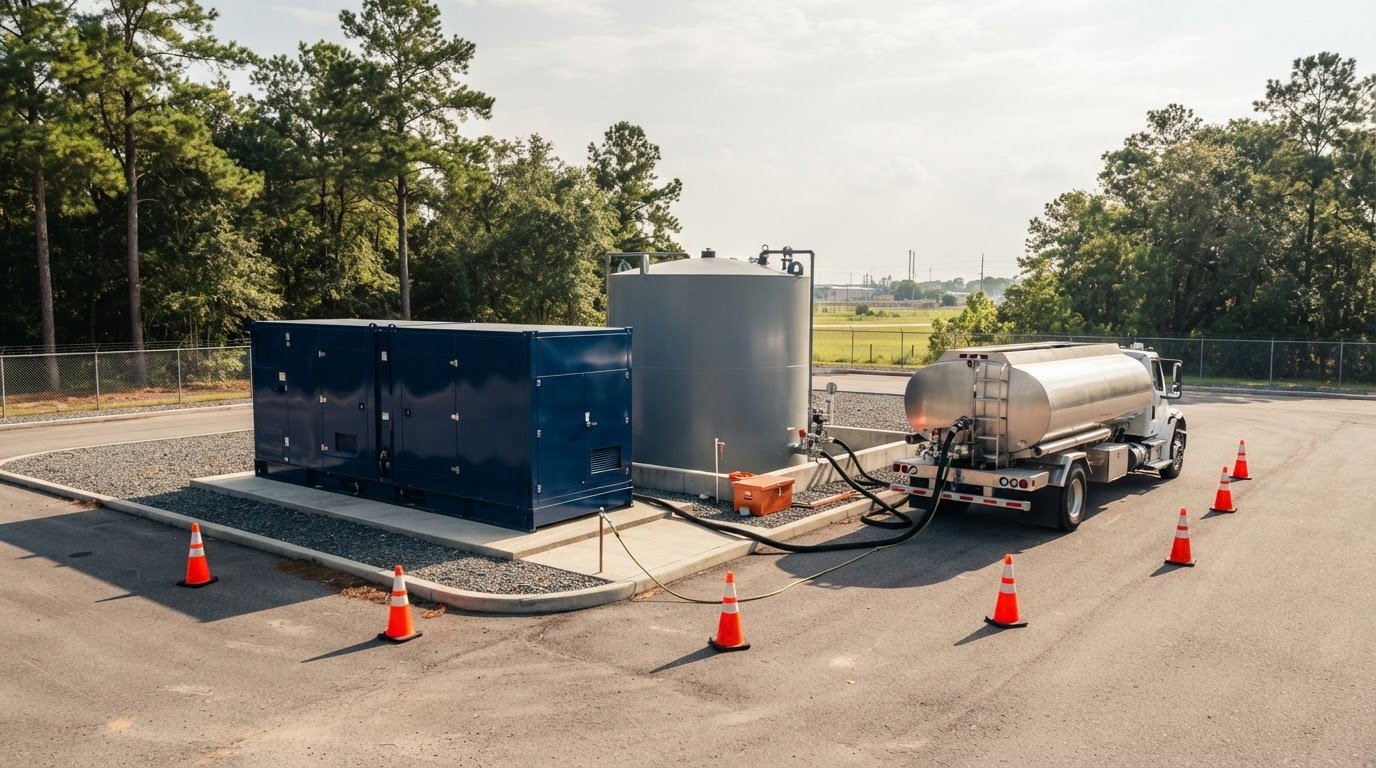
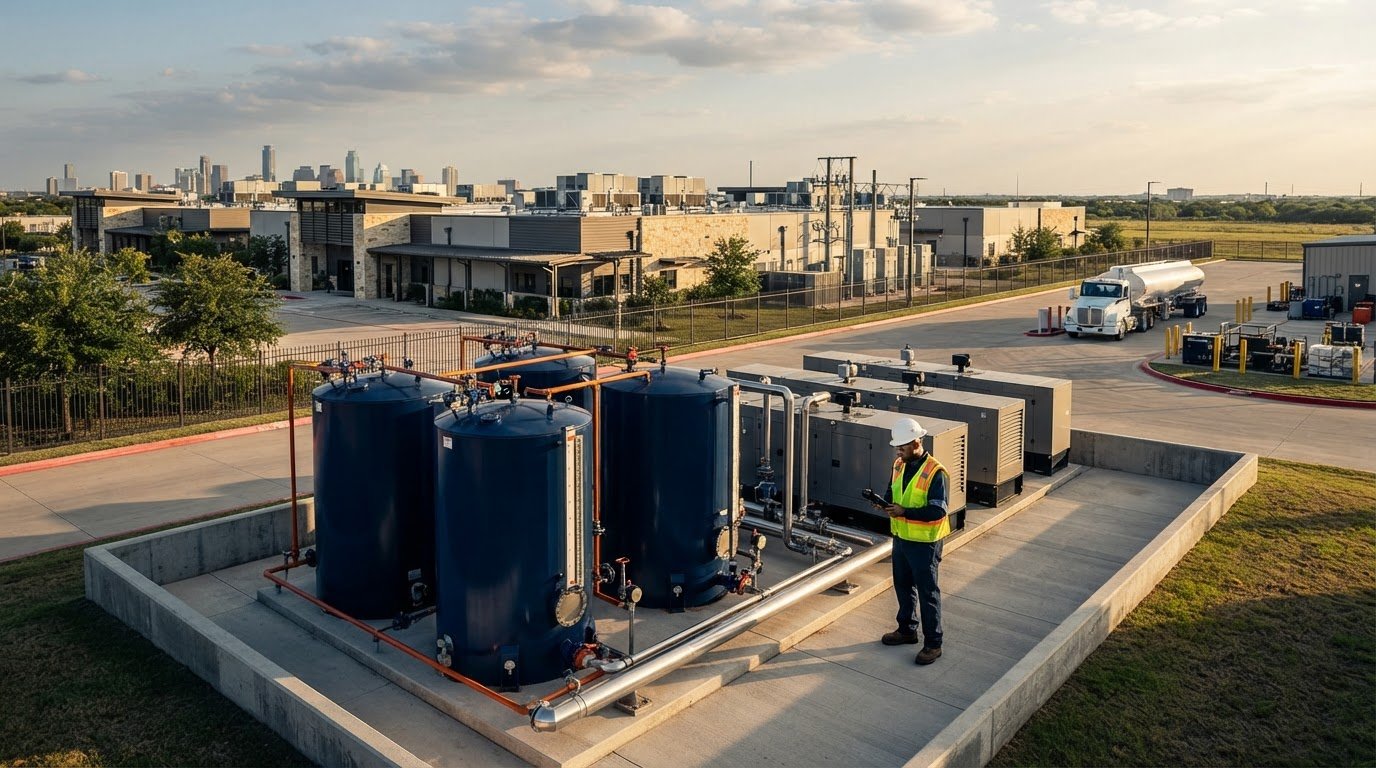
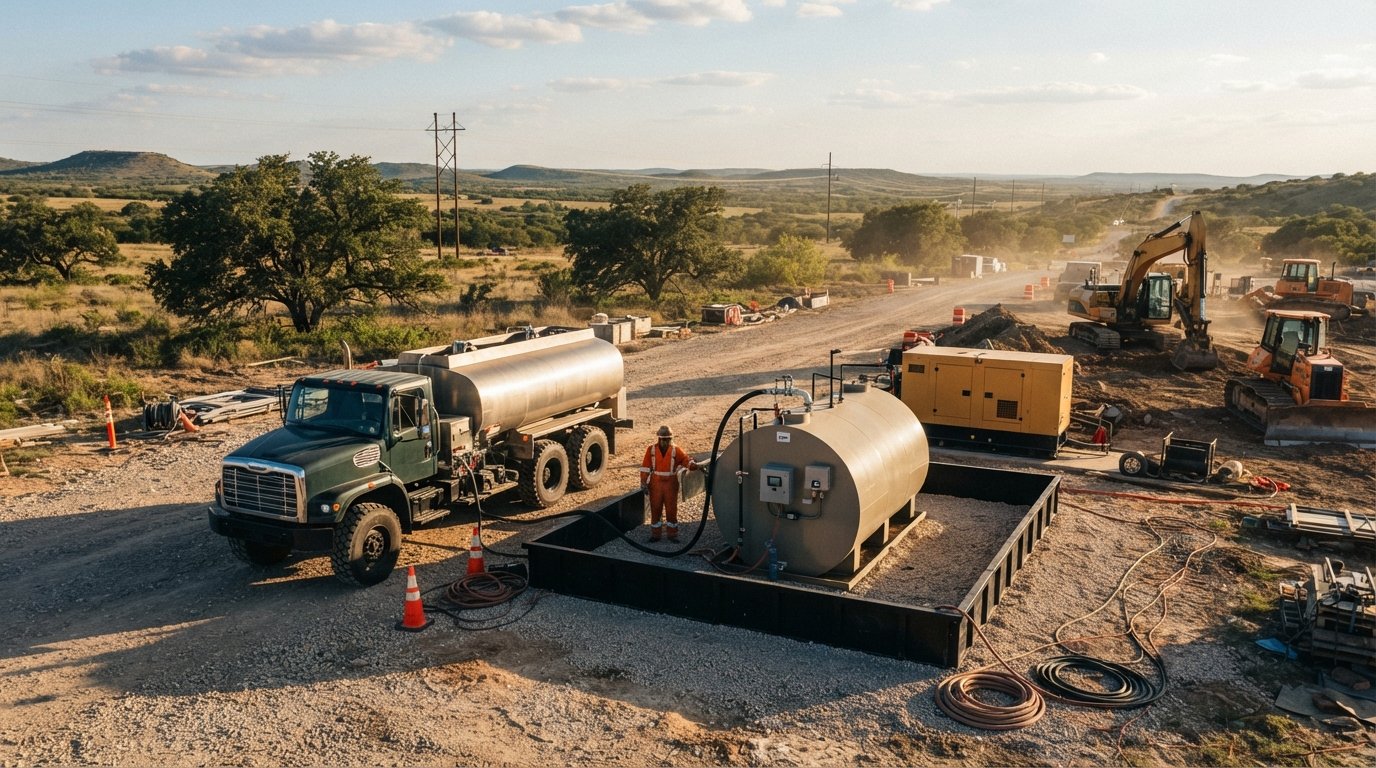
Heavy duty equipment fueling requires more than just a delivery truck; it demands a secure, compliant environment for fuel storage and quality control. While direct-to-equipment "wet hosing" eliminates the need for on-site inventory, many remote or high-demand projects require a dedicated fuel reserve to manage peak usage periods. Choosing between these methods involves balancing your site's physical footprint with its operational speed. If you opt for on-site storage, you must strictly adhere to Texas environmental regulations regarding secondary containment. These rules prevent hazardous spills from reaching the soil, protecting your company from massive fines and ecological damage that can halt a project indefinitely.
Monitoring for contaminants is a daily responsibility that site supervisors cannot overlook. In humid environments like Houston or San Antonio, water often accumulates in tanks through condensation, leading to microbial growth that clogs filters and damages injectors. You should implement a strict labeling system using industry-standard color-coding for diesel and DEF. This visual discipline prevents the catastrophic error of pumping the wrong fluid into a Tier 4 engine, which often results in thousands of dollars in repairs and days of lost productivity.
Choosing the Right Storage Solution
Selecting a storage tank depends entirely on your project's duration and fuel volume needs. For short-term jobs or rapidly shifting sites, portable fuel tank rentals provide the necessary flexibility without the capital expense of a permanent installation. Always prioritize double-walled tanks, as they offer built-in spill prevention that satisfies most regulatory requirements. Sizing is equally critical; a tank that is too small leads to excessive delivery fees, while a tank that is too large takes up valuable site space and risks fuel stagnation during slower work phases.
Maintaining Fuel Integrity in the Field
Protecting your machinery means maintaining the purity of every drop of fluid. High-quality filters on your storage tanks are the first line of defense against abrasive particles that destroy fuel injectors. Diesel Exhaust Fluid (DEF) requires even more careful handling. DEF is highly sensitive to temperature and can crystallize if exposed to air or extreme heat, which triggers "limp mode" in modern equipment. Integrating on-site def fluid delivery into your heavy duty equipment fueling schedule ensures that your machines remain compliant and operational. By centralizing your fluid management, you reduce the risk of contamination and keep your fleet running at peak performance.
Operational Checklist: During and After Fueling
Precision during the delivery phase prevents the small errors that lead to massive mechanical failures. While site preparation ensures the truck can reach your fleet, the operational phase of heavy duty equipment fueling focuses on accountability and preventative maintenance. You must verify that every gallon delivered matches the work performed by each machine. By cross-referencing fuel volumes against machine hour meters, you create a transparent record of consumption that helps identify mechanical inefficiencies or unauthorized fuel use. This level of oversight turns a routine refill into a valuable diagnostic event for your entire fleet.
Visual inspections are equally critical during the fueling process. Technicians should actively look for leaks, worn hoses, or damaged fuel lines that might otherwise go unnoticed during high-intensity work hours. For Tier 4 machinery, recording DEF levels alongside diesel volumes is mandatory to prevent the equipment from entering "limp mode" during a critical task. Once the delivery is complete, site supervisors must ensure that all spill kits are restocked and immediately accessible. Readiness isn't a one-time setup; it's a continuous state of discipline that protects your site from environmental liabilities.
Monitoring Consumption and Efficiency
Data-driven management is the only way to control rising operational costs. Use detailed fuel logs to identify "fuel hogs" within your fleet that may require urgent mechanical attention. If one excavator consumes 15% more fuel than an identical model on the same site, it's a clear signal of a clogged filter, injector issue, or improper operator technique. Integrating this fuel data with your project management software allows for precise cost tracking and more accurate bidding on future Texas infrastructure projects. Efficiency starts with measurement.
Post-Fueling Safety and Environmental Checks
The final minutes of a fueling event are often the most dangerous if your crew becomes complacent. Confirm that all fuel caps are securely tightened and locked to prevent contamination from dust or moisture. Conduct a final walkthrough of the fueling zone to inspect the ground for minor drips or spills that occurred during the transfer. Proper disposal of contaminated rags or absorbent materials is essential to maintain compliance with local environmental standards. To implement a high-precision fueling protocol on your site, contact our logistics team for a consultation and eliminate the guesswork from your heavy duty equipment fueling strategy.
Securing Your Supply: Choosing a Texas Fueling Partner
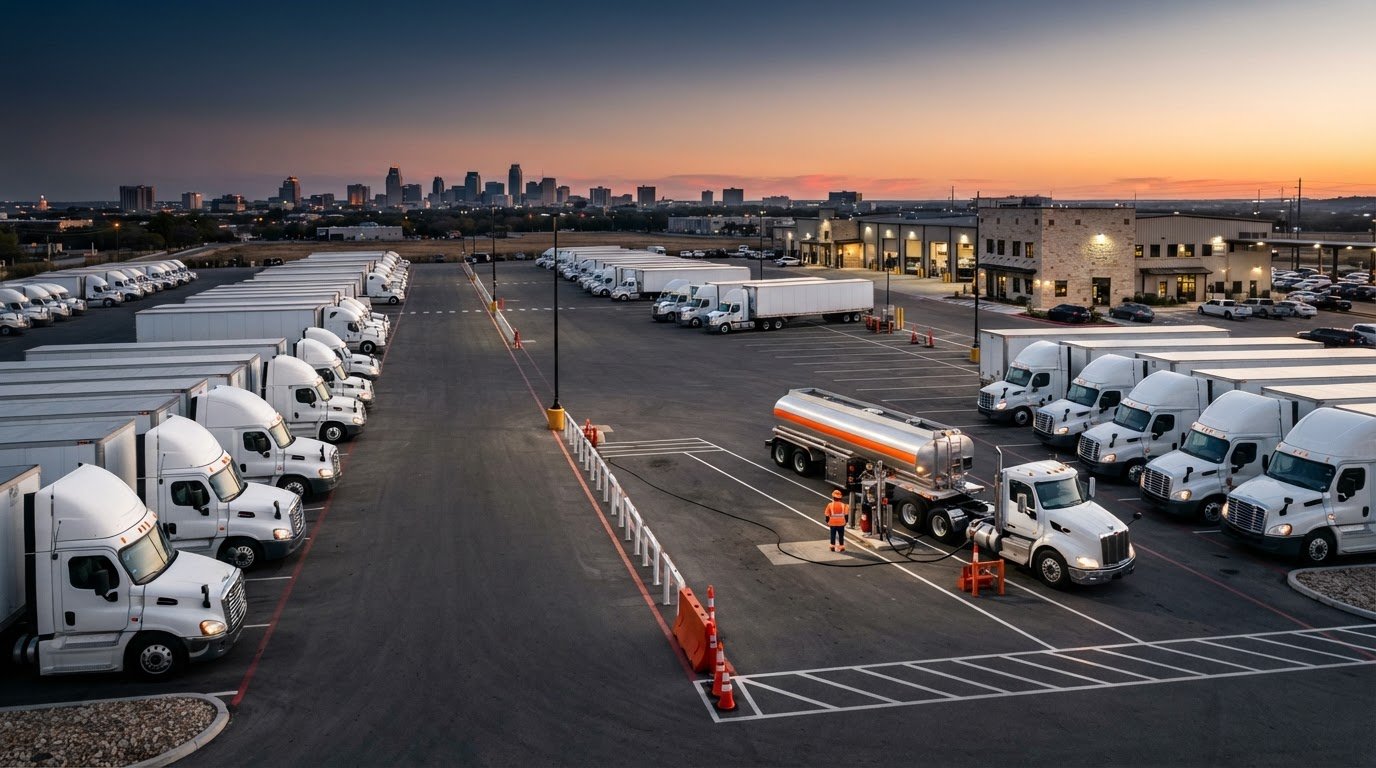
Selecting the right partner for heavy duty equipment fueling is a decision that impacts every stage of your project lifecycle. You need more than a vendor; you require a logistical ally that understands the high-stakes nature of industrial timelines and the high costs of a stalled site. Evaluate potential partners based on their ability to provide consistent commercial diesel delivery across your entire service area. Reliability isn't just a marketing term; it's the 24/7 availability to respond when a project falls behind or a storm disrupts your primary supply line. Local expertise is non-negotiable in the Texas market, where regional logistics in hubs like Houston and San Antonio present unique challenges that national providers often overlook.
A true partner integrates their delivery schedule with your broader site management goals. They don't just drop off fuel; they provide the data and oversight necessary to keep your fleet running at peak efficiency. This means coordinating deliveries to match your shift changes and ensuring that every drop of fuel is accounted for through detailed reporting. When you align with a specialist who understands the physical reality of industrial environments, you remove the stress of fuel management from your daily operations, allowing you to focus entirely on hitting your production milestones.
The Value of a Dedicated Equipment Fueling Service
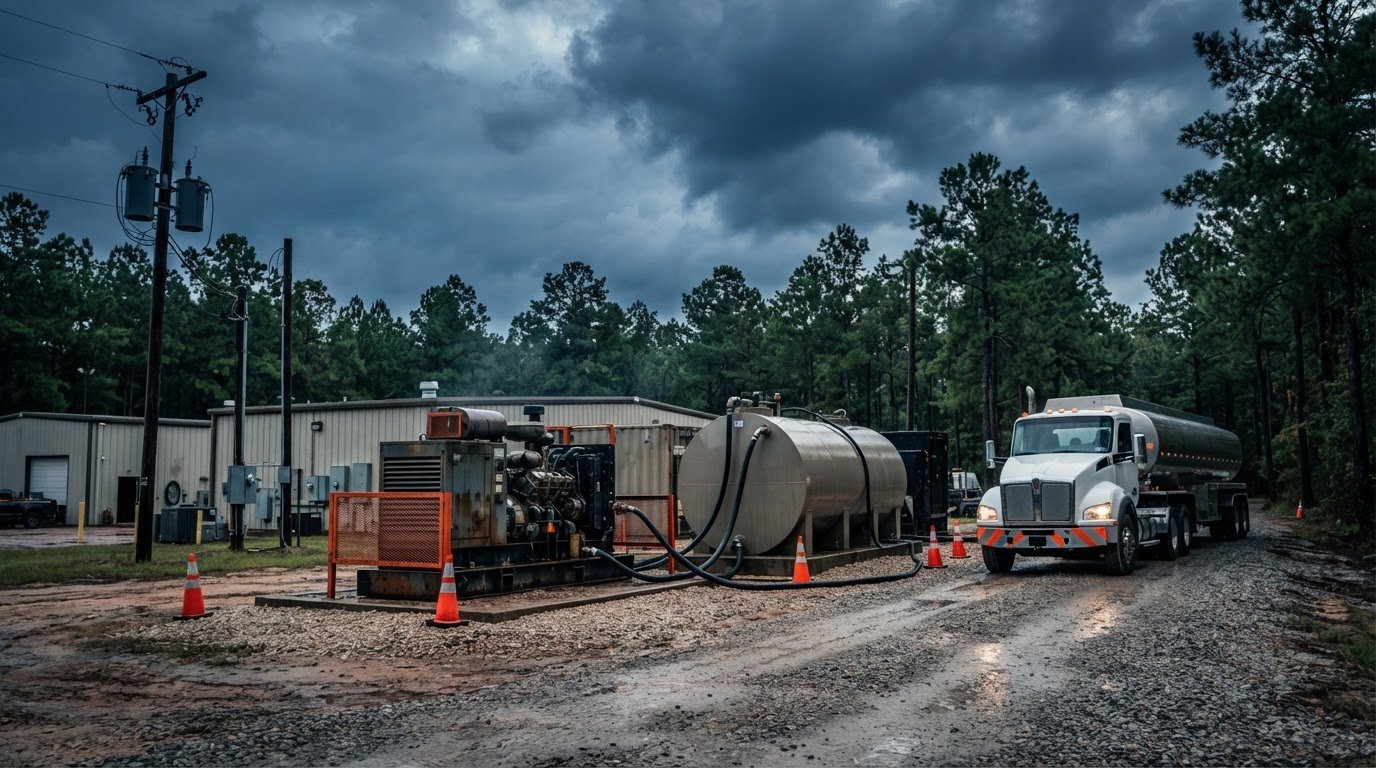
React Fueling specializes in minimizing downtime for complex projects in Dallas and Houston by consolidating your essential needs. Working with a single provider for diesel, DEF, and fuel tank rentals simplifies your accounts payable and ensures that your site stays compliant with a unified safety protocol. We provide a boots-on-the-ground presence that anticipates logistical hurdles before they stop your machinery. Our emergency fuel delivery capabilities offer peace of mind, ensuring that your critical equipment remains powered even during unexpected outages or extreme weather events.
Next Steps: Auditing Your Current Fueling Strategy
Improving your site uptime begins with an honest assessment of your current operations. Perform a "Downtime Audit" to calculate exactly how much money you lose when operators stop work to manage fueling tasks; the results often reveal significant hidden labor costs. Review your current spill prevention plans and compliance documentation to ensure you're protected against Texas environmental audits. Finally, consult with a specialist at React Fueling to build a custom delivery schedule tailored to your fleet's specific consumption rates. Transitioning to a professional heavy duty equipment fueling strategy is the most direct path to securing your supply chain and maximizing your project's profitability.
Mastering Site Uptime Through Operational Discipline
Optimizing site logistics requires a fundamental shift from reactive refueling to a disciplined, proactive strategy. By implementing a standardized checklist, you protect your machinery from contamination and ensure your crew remains focused on production rather than fuel runs. Transitioning to professional heavy duty equipment fueling services eliminates the hidden labor costs of operator-led tasks and provides the precise data necessary to identify fleet inefficiencies before they lead to mechanical failure. This approach isn't just about fuel; it's about securing the profitability of your entire project through unwavering readiness and foresight.
React Fueling stands as your vigilant partner across Houston, Dallas, San Antonio, and beyond. As direct-to-equipment experts , we provide the 24/7 emergency support and logistical foresight required to keep your high-stakes projects moving without interruption. We understand the physical reality of the Texas industrial landscape and take pride in showing up when it matters most. Don't let fuel logistics become a bottleneck for your next major contract. Get a Quote for Your Next Heavy Duty Project today and secure the operational continuity your site deserves. We're ready to help you keep things moving.
Frequently Asked Questions
What is the difference between on-road and off-road diesel for heavy equipment?
On-road diesel is for vehicles traveling on public highways and includes a federal excise tax; off-road diesel is for construction and agricultural equipment and is exempt from that tax. Using dyed diesel in a highway vehicle is illegal and carries heavy fines. Both fuels are chemically similar but serve different regulatory purposes. Clear diesel is required for any vehicle with a license plate.
How often should I have fuel delivered to my construction site?
Delivery frequency depends on your fleet's total fuel burn and the storage capacity available on your site. High-demand projects often require daily deliveries or wet hosing during every shift change to prevent any interruption in work. Monitoring your machine hour meters and consumption rates helps establish a reliable schedule. Many Texas sites opt for a recurring delivery window to ensure tanks never drop below a critical reserve level.
Does React Fueling provide DEF delivery along with diesel?
Yes, React Fueling provides DEF Fluid Delivery alongside standard diesel services. Modern Tier 4 engines require Diesel Exhaust Fluid to stay operational; running out can trigger limp mode, which severely limits machine performance. Consolidating your DEF and diesel deliveries ensures that your fleet remains compliant and fully powered without the need for multiple vendors. It's a critical component of professional heavy duty equipment fueling logistics.
What are the safety requirements for on-site fuel tank rentals in Texas?
Texas regulations require secondary containment for on-site fuel storage to prevent environmental contamination. This often means using double-walled tanks or placing single-walled tanks in a specialized basin capable of holding 110% of the tank's capacity. You must also maintain clear labeling, keep spill kits within reach, and ensure tanks are placed on stable, level ground. Proper grounding and fire extinguisher placement are also mandatory for site compliance.
Can heavy equipment be fueled while it is running?
No, you should never fuel heavy equipment while the engine is running. Standard safety protocols require a complete shutdown to eliminate ignition sources and prevent accidental movement during the transfer. Fueling an active machine increases the risk of fire from hot engine components and static electricity. Always engage the parking brake and allow the machine to cool slightly before starting the refueling process to ensure a safe work environment.
How does mobile fueling help with project timelines?
Mobile fueling, or wet hosing, eliminates the need for operators to move machinery to a central fuel point. This saves hundreds of labor hours over the course of a large project and keeps equipment in the work zone. By fueling during idle periods or shift changes, you maximize active production time. It removes the logistical headache of navigating massive machines across a busy site, which reduces wear and safety risks.
What happens if my equipment runs out of fuel in the middle of a shift?
Running out of fuel causes immediate downtime and may require a technician to bleed the fuel lines before the engine can restart. This is especially true for modern diesel engines where air in the fuel system prevents combustion. You'll lose productivity while waiting for an emergency delivery and mechanical assistance. Professional heavy duty equipment fueling strategies prevent these failures by maintaining a strict schedule based on real-time consumption data.
Are there specific regulations for hospital generator fueling in Houston?
Houston hospitals must adhere to strict emergency power supply system regulations, including NFPA 110 standards. These rules mandate that backup generators have a reliable fuel supply capable of running for a specific duration, often 48 to 96 hours, depending on the facility's classification. Regular fuel quality testing and tank maintenance are required to ensure the system starts during a grid failure. You should consult local fire marshals for the latest municipal codes.
Recent Posts