The Logistics of Construction Site Diesel Management: A 2026 Guide
By 2026, a construction site that treats fuel as a simple commodity is already falling behind its more profitable competitors. Relying on reactive refueling creates a cycle of unpredictable downtime and hidden waste that erodes your bottom line. You likely know the frustration of seeing heavy machinery sit idle because a delivery was late or finding that fuel levels don't match your usage reports. Effective construction site diesel management is no longer just a support task; it's a predictive strategy that safeguards your project’s energy supply and operational continuity.
We understand that managing multiple fuel types like DEF and dyed diesel while preventing on-site theft is a complex logistical burden. This guide provides the framework you need to master these complexities, helping you eliminate waste and secure your job site. You'll learn how to implement precise consumption tracking and utilize equipment fueling services to maximize uptime across the project lifecycle. We will also explore how on-site tank rentals and reliable delivery schedules create a stabilized environment where your team can focus on building rather than chasing the next fuel truck.
What is Construction Site Diesel Management?
Effective construction site diesel management is the holistic coordination of fuel procurement, secure storage, and precision dispensing across a project’s lifecycle. It moves beyond the simple act of buying fuel. It integrates supply chain reliability with real-time consumption data to ensure that every piece of machinery has the energy it needs exactly when it needs it. In the high-stakes environment of Texas heavy civil and commercial projects, this management serves as a form of uptime insurance. It protects your schedule from the cascading delays that follow a single dry tank.
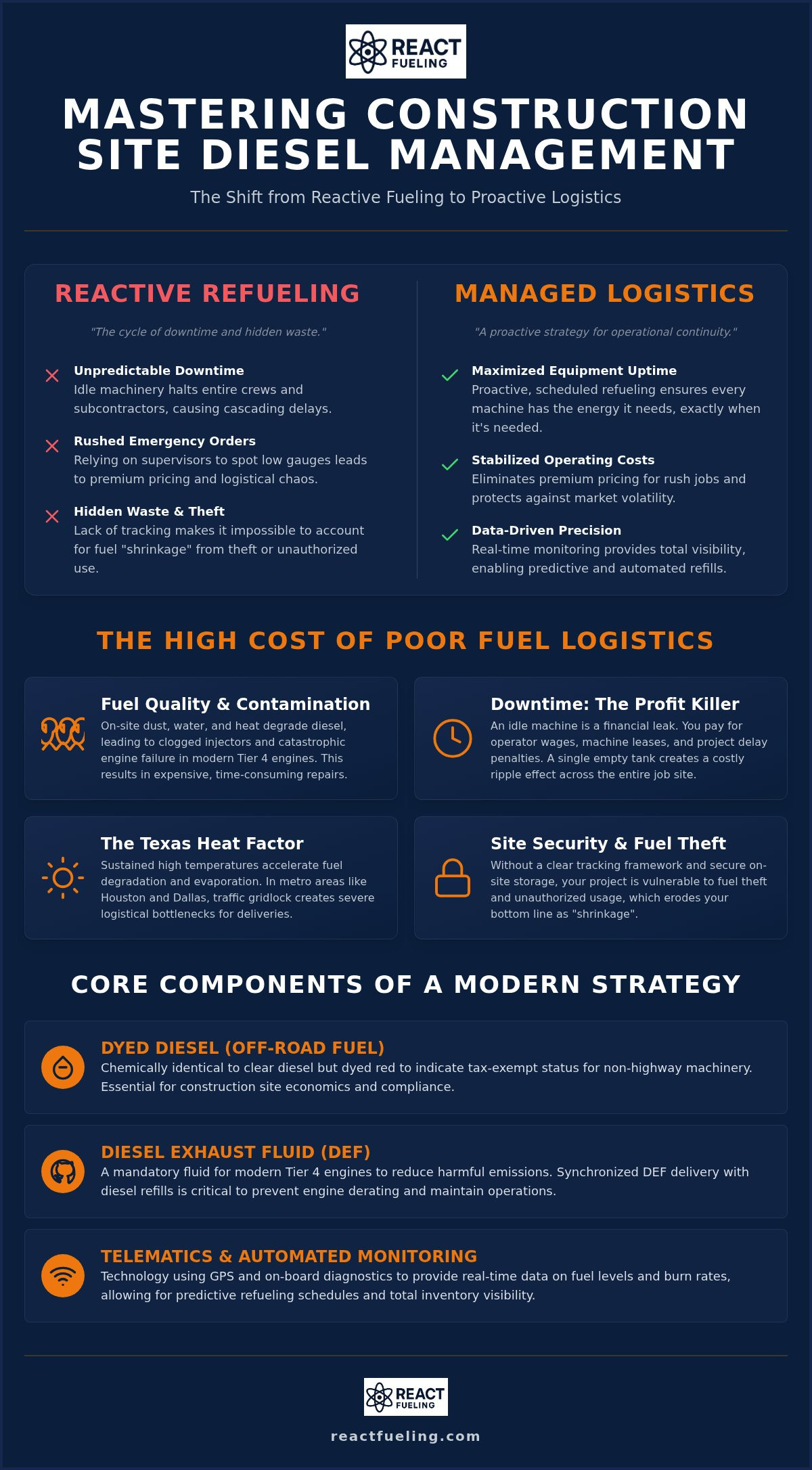
The primary difference between standard fueling and managed logistics lies in the approach to risk. Reactive fueling relies on site supervisors noticing a low gauge and placing a rushed order. This often leads to premium pricing and avoidable downtime. Managed logistics utilizes a "Vigilant Partner" model where fuel levels are monitored and replenished proactively. By treating fuel as a strategic asset rather than a utility, contractors can secure their supply and stabilize their operating costs against market volatility.
The Shift from Tanker Calls to Integrated Logistics
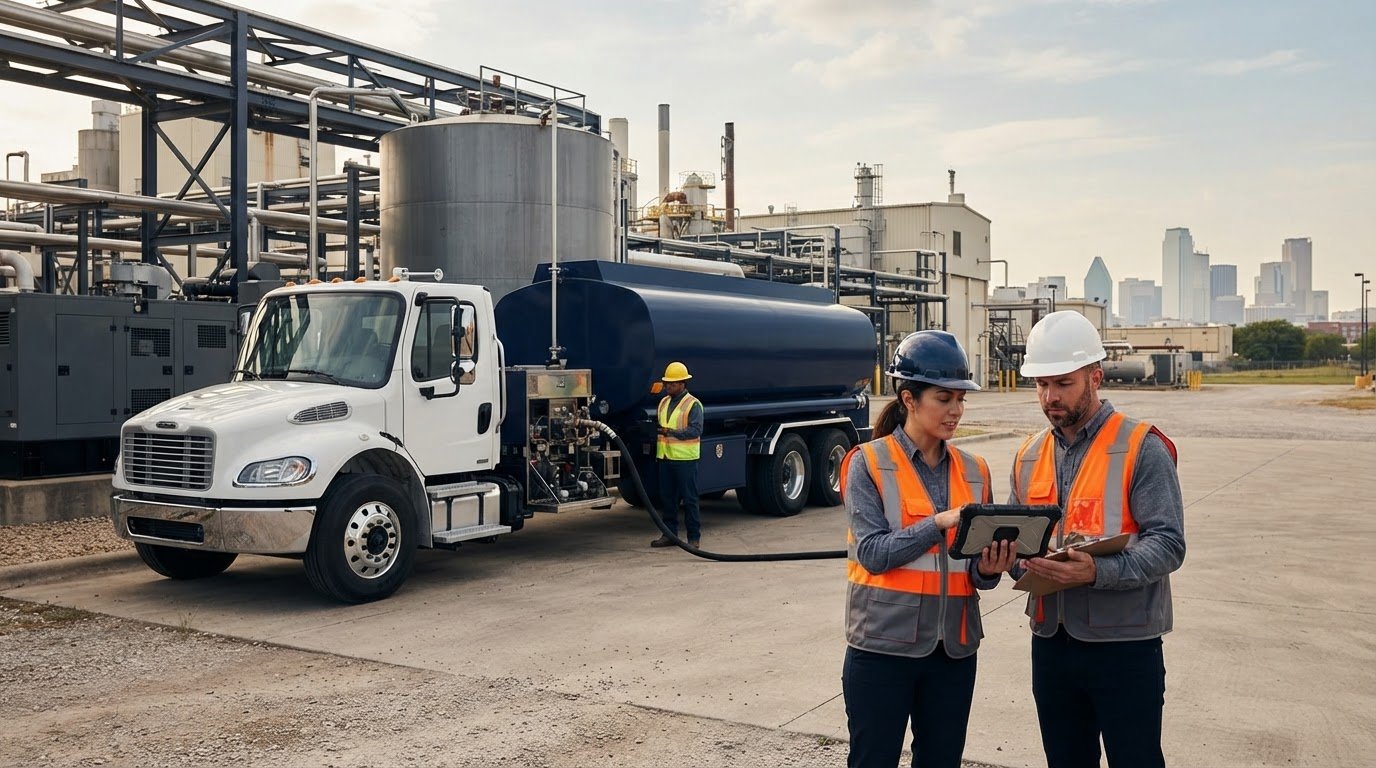
Waiting for an "empty" light to trigger a phone call is a significant risk to your project timeline. A late delivery doesn't just stop one excavator; it halts the trucks waiting for that excavator and the crews waiting for those trucks. Modern equipment fueling service models replace this uncertainty with consistency. By using automated tank monitoring, managers gain total visibility into their site's status without leaving the office. This centralized oversight reduces the administrative burden on site supervisors, allowing them to focus on safety and production rather than tracking down delivery drivers.
Key Terminology for Site Managers
To master the logistics of your site, you must understand the specific components of the fuel supply chain. Professional management requires a clear grasp of both the physical fluids and the data used to track them. Understanding What is a Fuel Management System? is the first step toward integrating these elements into a single, cohesive workflow.
- Dyed Diesel: Also known as off-road fuel, this is chemically identical to clear diesel but contains a red dye to indicate it's for non-highway use. It's exempt from certain road taxes, making it essential for construction site economics.
- DEF (Diesel Exhaust Fluid): This is a mandatory requirement for modern Tier 4 engines to reduce emissions. Effective management ensures DEF fluid delivery is synchronized with your diesel refills to prevent engine derating.
- Telematics: This technology uses GPS and on-board diagnostics to provide data on fuel burn rates. It allows managers to predict exactly when a fleet will need a refill based on actual work hours.
Managing these variables requires specialized equipment and secure storage. Utilizing fuel tank rentals provides a flexible way to maintain on-site reserves, ensuring your project remains insulated from local supply shocks in markets like Houston, Dallas, or Austin.
The High Cost of Poor Fuel Logistics on Texas Job Sites
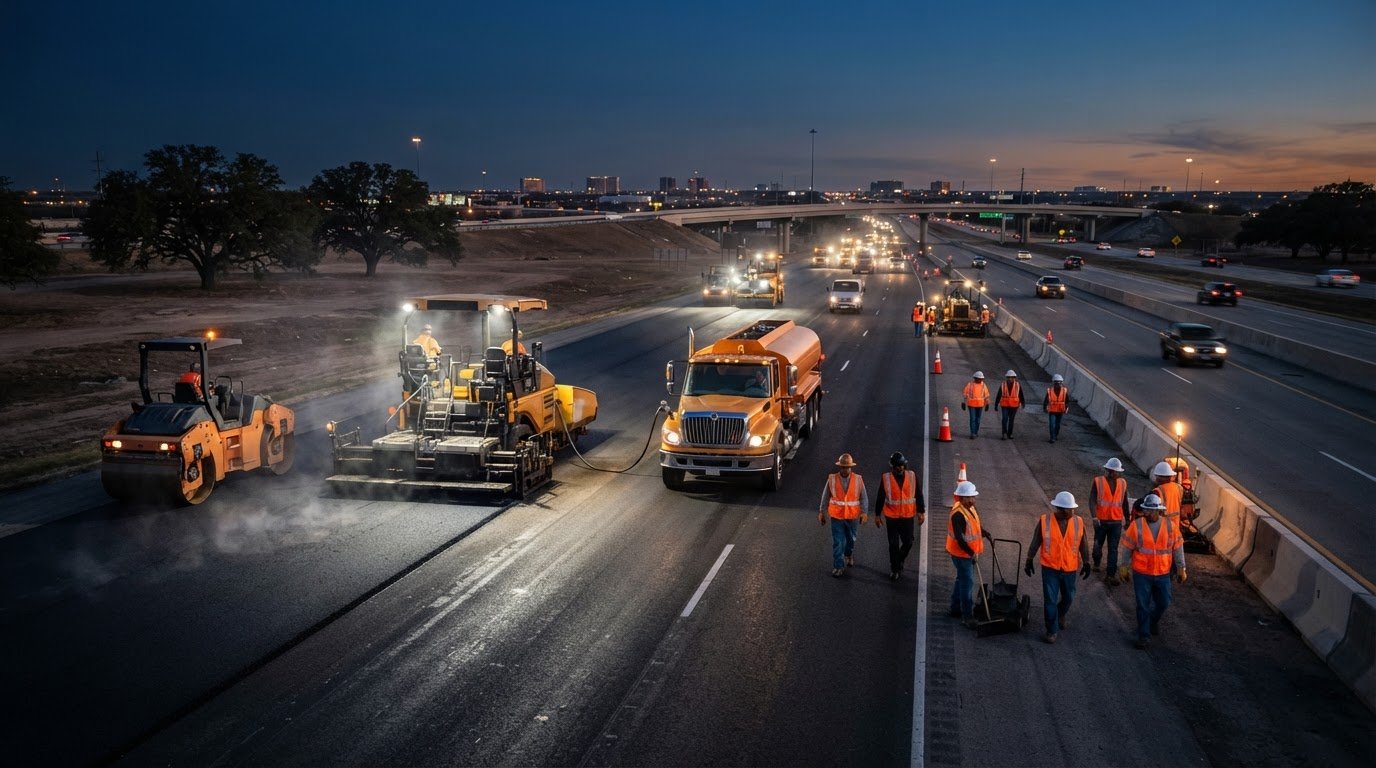
Texas job sites operate under a unique set of high-stakes pressures that punish inefficient logistics. In major hubs like Houston and Dallas, the scale of commercial development means any break in the fuel supply chain is immediately magnified. Poor construction site diesel management creates a direct drain on project capital. It isn't just about the price per gallon. It's about the hidden costs of urban congestion, environmental volatility, and site security. Without a clear tracking framework, your site is also susceptible to fuel theft and unauthorized usage, which often appears as "shrinkage" on the balance sheet.
The "Texas Heat Factor" is a primary concern for site managers. Sustained high temperatures accelerate fuel degradation and can increase evaporation rates in poorly maintained storage. When diesel sits in unmanaged tanks under the intense sun, its chemical stability is compromised. This risk is compounded by the logistical bottlenecks of high-traffic metro areas. Navigating a delivery truck through I-10 or the Dallas North Tollway requires more than just a GPS. It requires a partner who understands local traffic patterns and can execute deliveries during windows that avoid peak gridlock.
Downtime: The Silent Profit Killer
An idle excavator or crane represents a massive financial leak. You are paying for the operator’s hourly wages, the machine’s lease, and the potential penalties for project delays. If a primary machine stops, it creates a ripple effect that stalls multiple subcontractors who cannot proceed until the heavy lifting is done. Logistical lag is the time wasted between an operator noticing a low tank and the actual arrival of the fuel truck. Reducing this lag is essential for maintaining equipment uptime across the project lifecycle. If you're experiencing frequent interruptions, a scheduled equipment fueling service can help stabilize your production hours.
Fuel Quality and Contamination Risks
Modern Tier 4 engines require pristine fuel to operate. On-site conditions often introduce dust, water, and heat, all of which degrade diesel quality. Contaminated fuel leads to clogged injectors and catastrophic engine failure. Repairing these systems is expensive and time-consuming. Maintaining fuel integrity requires following strict federal safety regulations for storage and dispensing. Utilizing high-quality fuel tank rentals ensures that your reserves are protected from the elements and unauthorized usage. Consistent oversight is the only way to ensure your fleet remains operational in harsh industrial environments.
Core Components of a Modern Fuel Management Strategy
A successful strategy integrates physical assets with digital oversight to create a closed-loop system of supply and consumption. It moves beyond simple delivery by coordinating procurement, storage, and reporting into a single workflow. In the competitive Texas market, effective construction site diesel management requires a multi-faceted approach that adapts to the specific layout and machinery demands of each project. This ensures that every gallon is accounted for and every machine remains productive.
On-Site Storage vs. Mobile Fueling
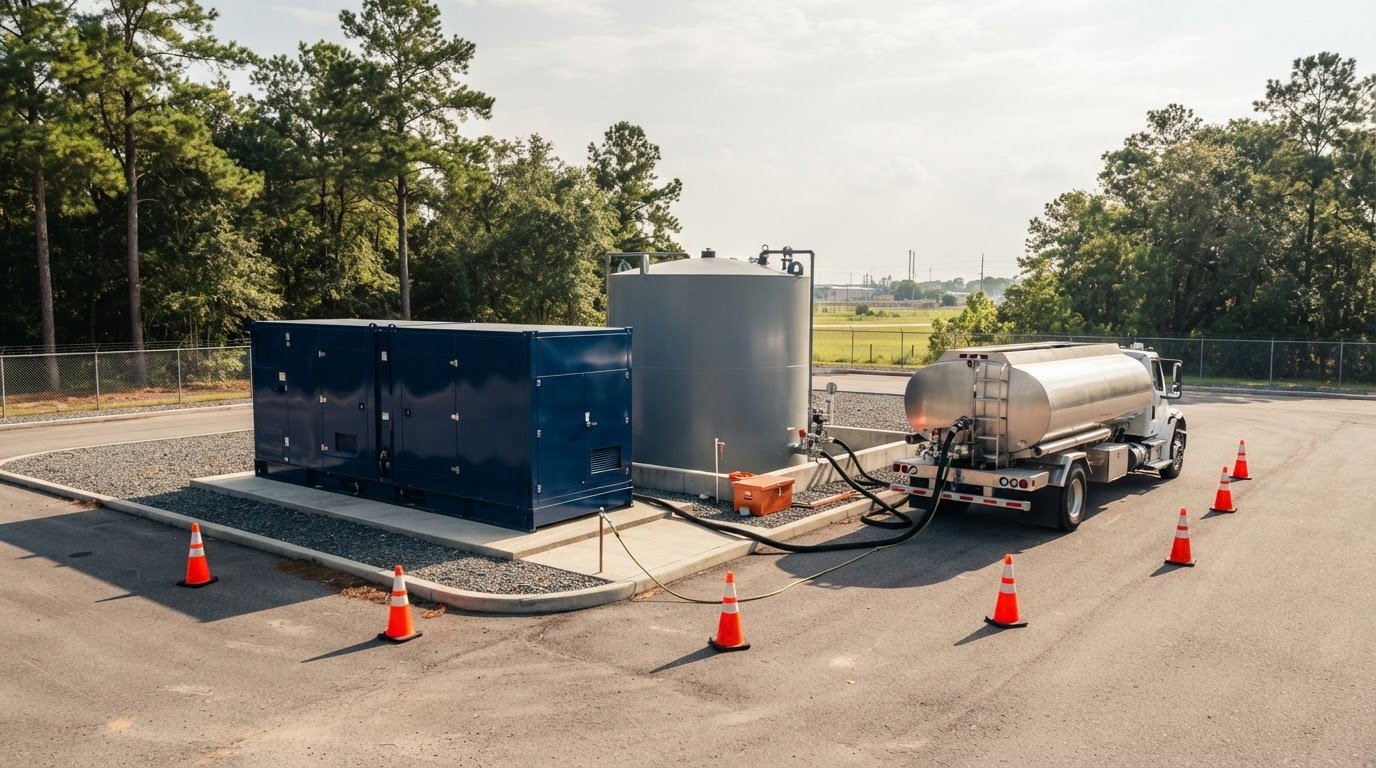
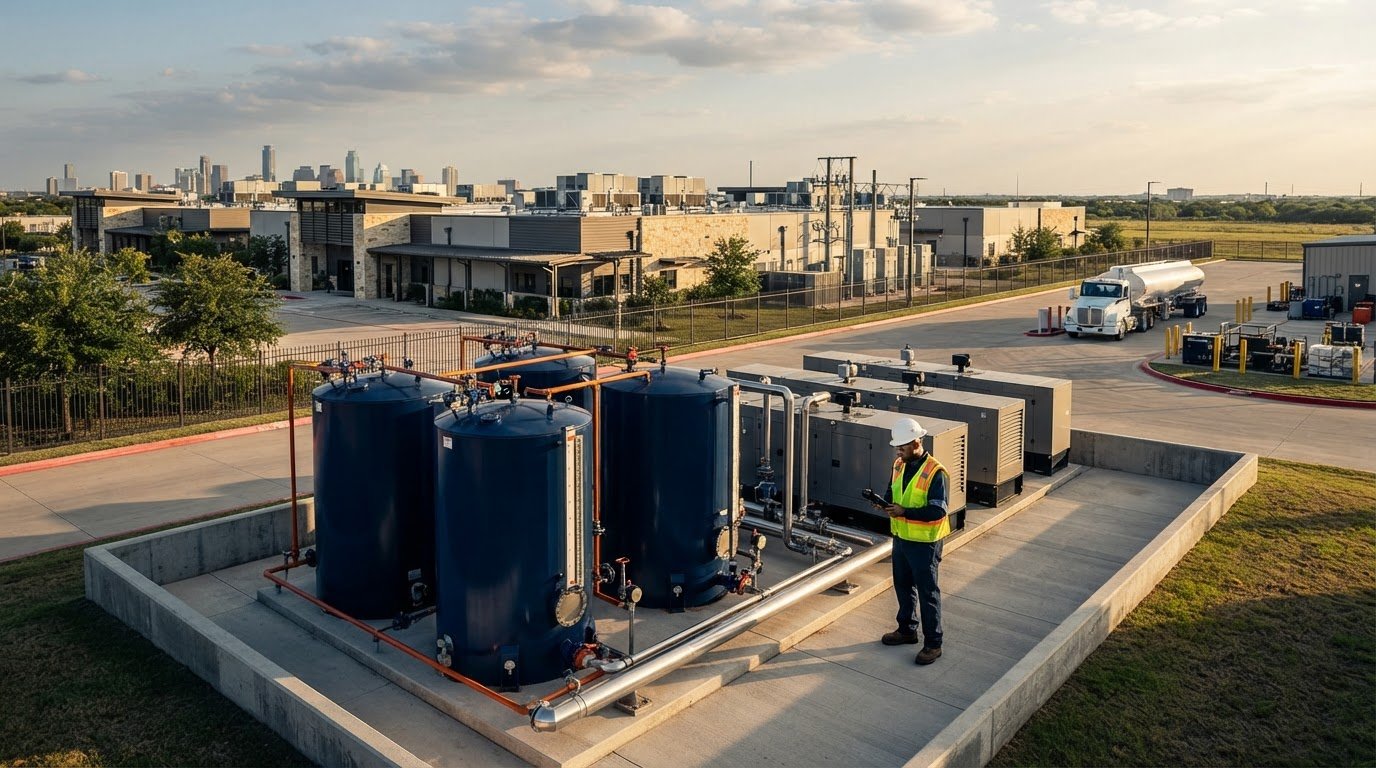
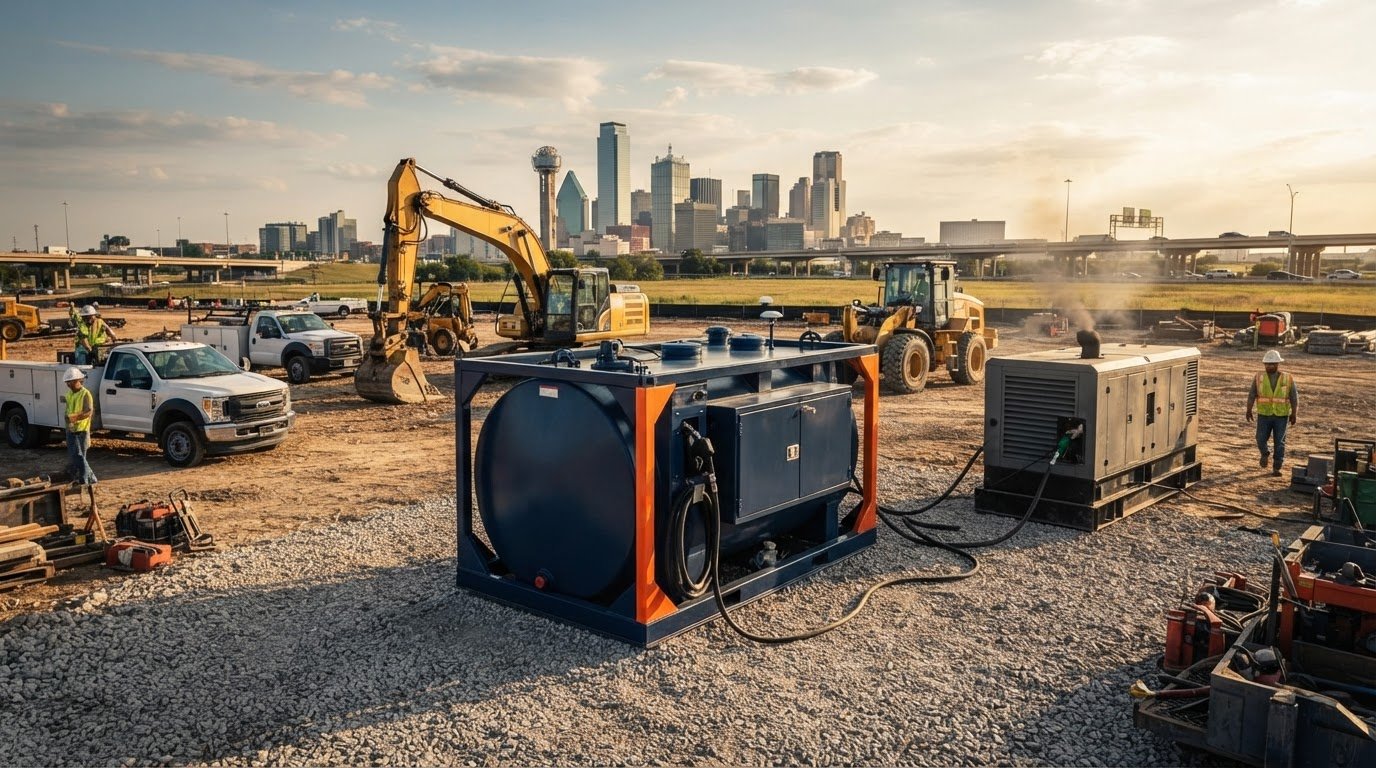
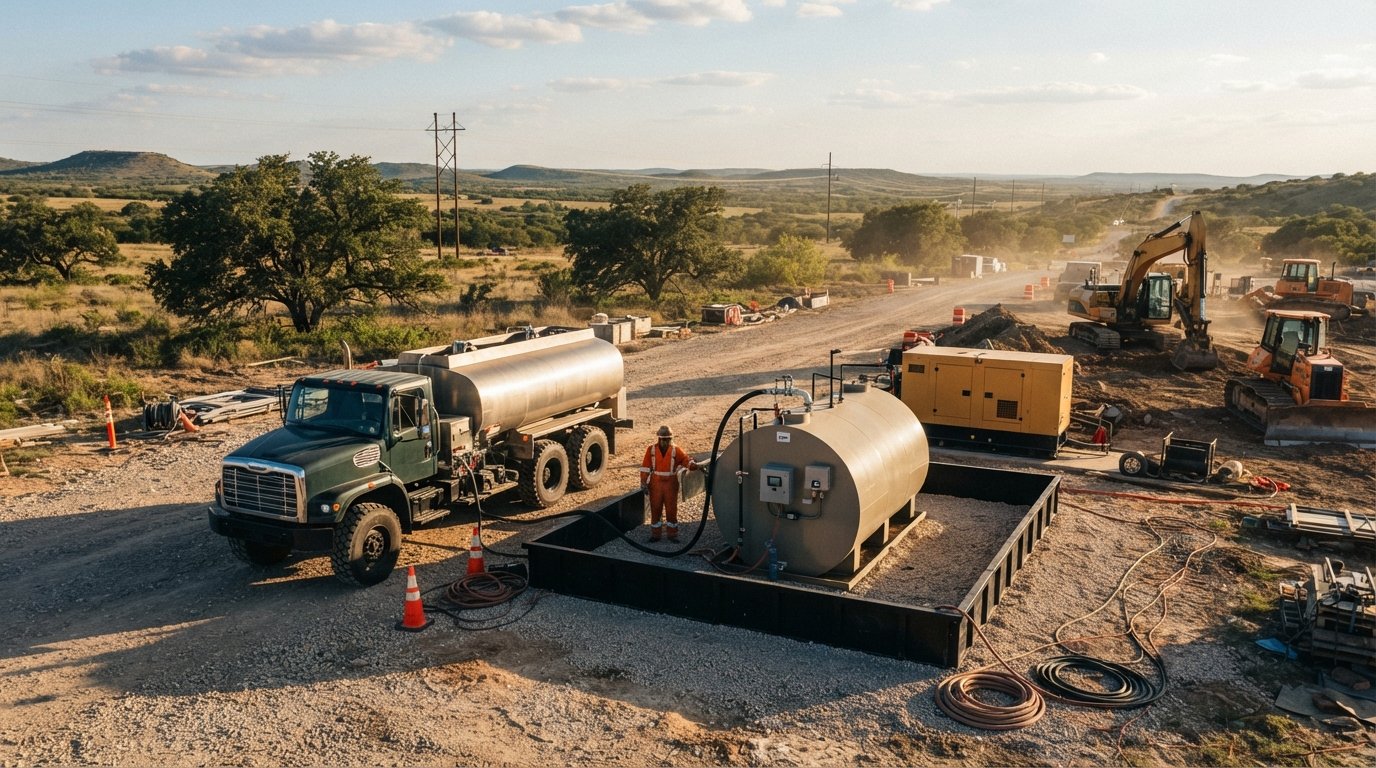
Choosing between stationary storage and mobile delivery depends on your site’s layout and machine mobility. High-volume sites with centralized operations often benefit from portable fuel tank rentals. These units provide a secure, on-site reserve that reduces the frequency of delivery calls. They feature secondary containment to meet environmental standards and locking mechanisms to prevent unauthorized usage. Having a bulk reserve on-site provides a buffer against local supply shocks or delivery delays caused by urban traffic.
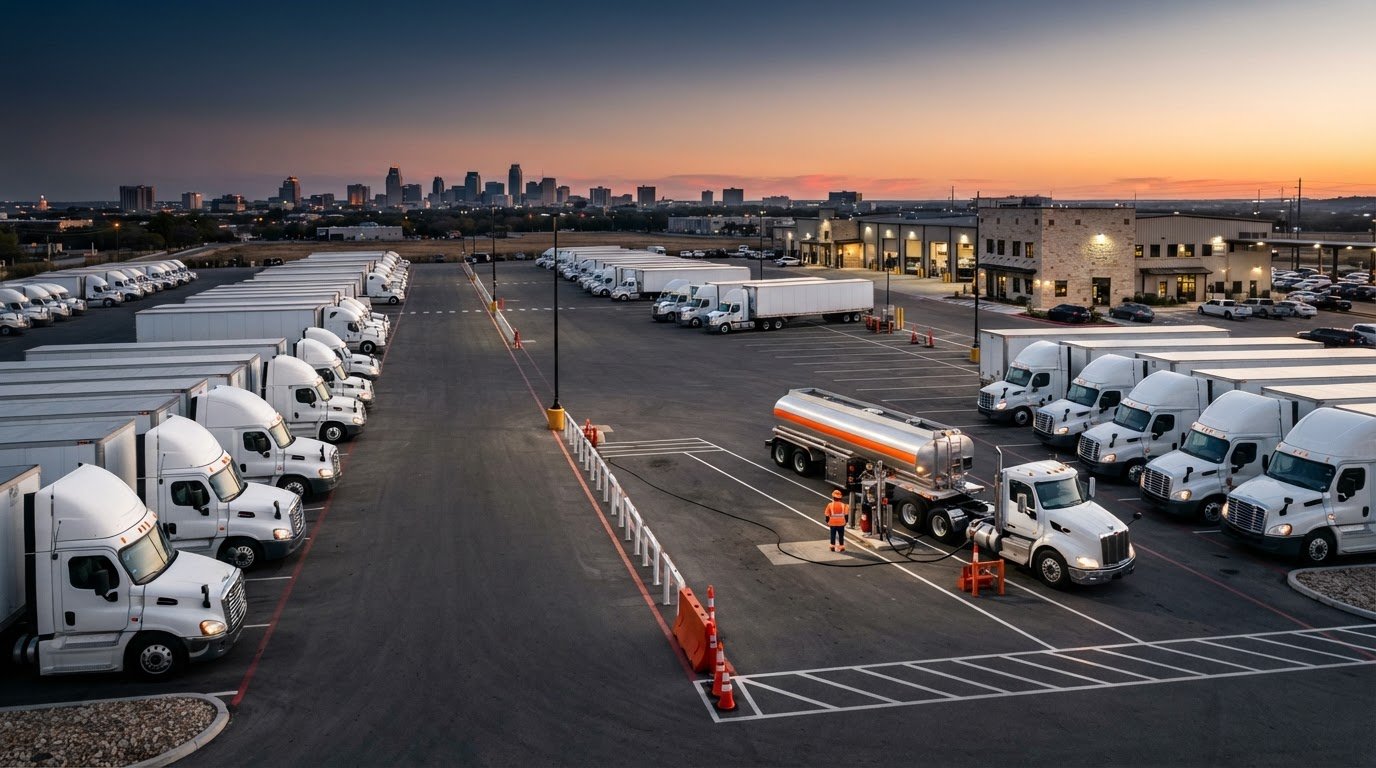
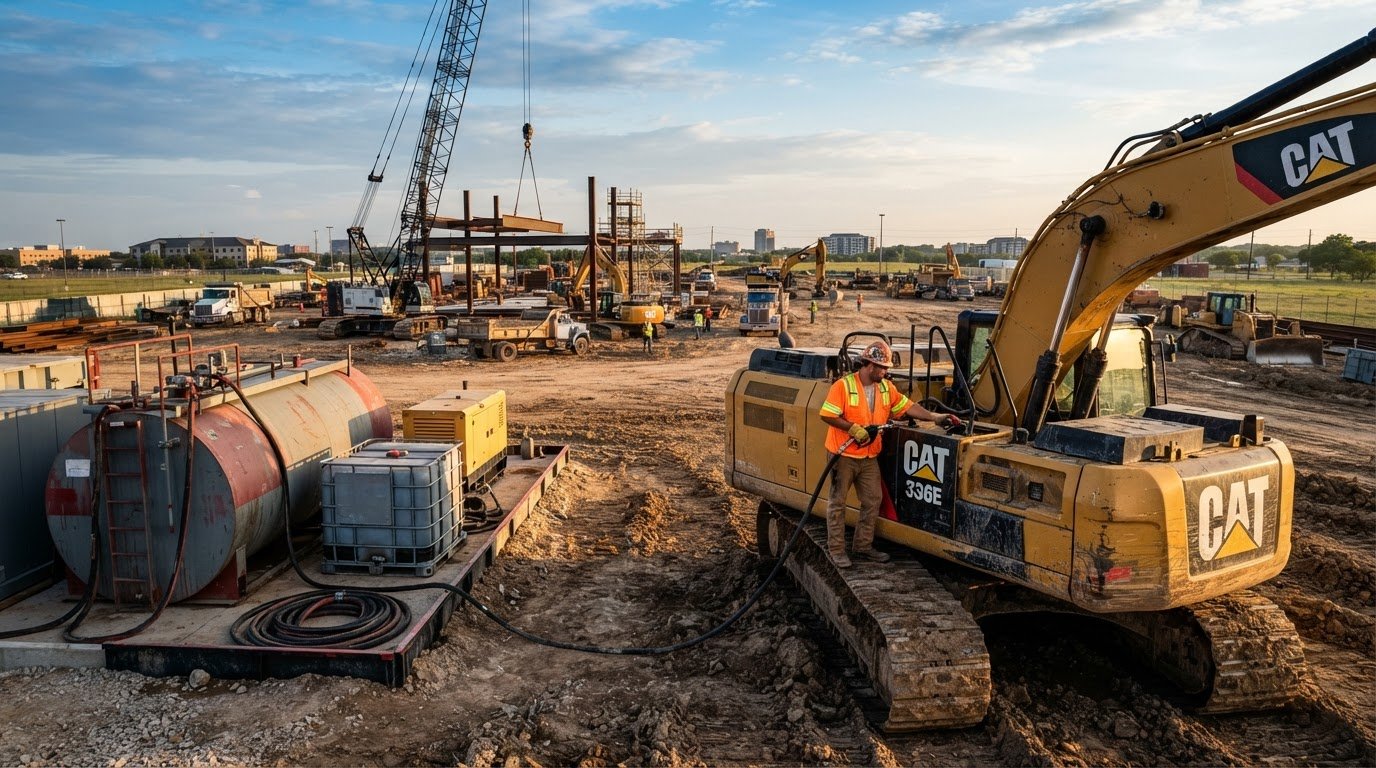
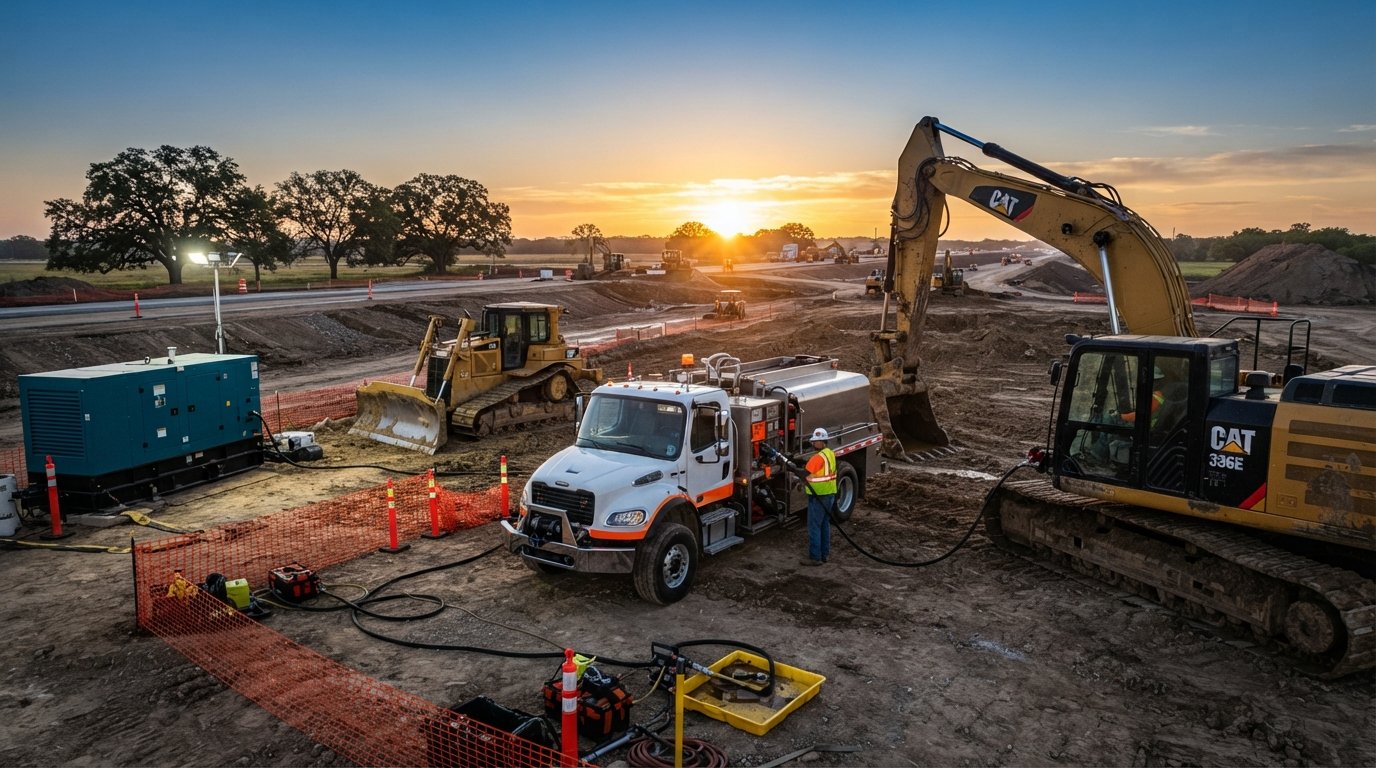
Projects with dispersed machinery or limited space for large tanks require a different approach. The advantages of direct-to-equipment fueling are clear for sites where moving heavy machinery to a central point is impractical. This service brings the fuel truck directly to each excavator, crane, or generator, often during off-hours. It eliminates the labor costs associated with operators moving equipment and reduces the unnecessary wear on tracks and tires. This method provides high security as fuel goes directly from the delivery truck into the machine’s tank.
Managing DEF (Diesel Exhaust Fluid)
Modern fleets cannot operate on diesel alone. Tier 4 engines are designed to derate or shut down entirely if DEF levels drop below a critical threshold. Managing this fluid requires the same level of logistical precision as your diesel supply. Integrating DEF fluid delivery into your standard refueling schedule ensures that both vital fluids are replenished simultaneously. This "Total Fluid Management" approach prevents the downtime associated with a machine’s emission system triggering a forced stop.
DEF is highly sensitive to contamination and temperature extremes. It requires specialized storage and handling protocols to maintain its chemical purity. A managed strategy includes dedicated DEF totes and pumps that are kept separate from diesel equipment to prevent cross-contamination. This level of oversight protects your engine’s sensitive SCR systems from expensive damage. By treats DEF as a core component of your construction site diesel management, you ensure your entire fleet stays compliant and operational.
The final layer of a modern strategy is real-time consumption tracking. Digital reporting tools provide project accountants with accurate data for job costing. Monitoring how much fuel each machine uses allows managers to identify inefficient equipment or potential "shrinkage" early. This data-driven oversight ensures that your fuel spend remains transparent and predictable throughout the project lifecycle.
Implementation: Steps to Secure Your Site's Energy Supply
Securing your site’s energy supply requires a transition from reactive orders to a disciplined operational protocol. By 2026, the complexity of large-scale projects in Texas demands a systematic approach to fuel logistics. Implementing a robust construction site diesel management plan ensures that your equipment remains powered and your project stays on schedule. This process starts with a thorough assessment of your site's physical layout and operational tempo to eliminate vulnerabilities before they cause a shutdown.
Step 1: Conduct a Site Fuel Audit
Begin by auditing current fuel usage and identifying "dead zones" in your refueling schedule where equipment is most at risk of running dry. Map the exact locations of all stationary and mobile equipment. Identify peak usage times, such as heavy excavation phases, where consumption will spike. Calculate your total daily gallon requirement to determine if on-site storage or mobile fueling is more efficient. Finally, evaluate your site’s accessibility. Ensure large delivery tankers have the necessary turning radius and stable ground to reach your storage tanks safely.
Step 2: Establish Safety and Compliance Protocols
Safety is a non-negotiable component of fuel logistics. Implement secondary containment for all on-site storage to comply with Texas environmental standards and prevent soil contamination. Ensure all fueling areas meet local fire safety codes and are clearly marked with proper signage. Create a comprehensive spill response plan and maintain fully stocked spill kits at every dispensing point. Training your site personnel on these protocols reduces environmental risks and protects your company from costly regulatory fines during site inspections.
Step 3: Partner with a Reliable Logistics Provider
Your choice of partner determines your site’s resilience. Vet providers based on their local presence in Houston, Dallas, or San Antonio to ensure they understand regional traffic patterns and supply constraints. Prioritize providers that offer 24/7 emergency fueling to support night shifts or rapid recovery after severe weather events. Establish automated delivery schedules based on your telematics data to eliminate the risk of human error in the ordering process. This partnership transforms fuel from a daily worry into a stabilized asset.
Ready to secure your project's continuity? Contact our logistics team today to develop a customized fueling strategy for your Texas job site.
The React Fueling Edge: Construction Diesel Management in Texas
React Fueling serves as more than just a fuel vendor; we act as a vigilant partner for contractors throughout the state. We understand that construction site diesel management is a high-stakes operation where delays are measured in thousands of dollars per hour. Our team takes total control over your fuel logistics, allowing you to focus your resources on project completion rather than energy procurement. By leveraging the extensive React Holdings logistics network, we provide a level of responsiveness and reliability that remains unmatched in the Texas industrial sector. We show up when it matters most.
Local Expertise in Major Texas Markets
Navigating the specific logistical hurdles of the Houston Ship Channel or the sprawling Dallas metroplex requires deep local knowledge. We understand the traffic patterns of I-35 and the environmental requirements of the Austin and San Antonio corridors. This regional expertise is critical when executing emergency fuel delivery during the unpredictable weather events that often impact Texas infrastructure. Our boots-on-the-ground presence in Magnolia and College Station ensures that even remote sites receive the same dedicated support as urban projects. We remain committed to keeping your machinery moving regardless of local congestion or external supply shocks.
Comprehensive Service Portfolio
Our approach integrates every fluid and asset your site requires into a single, managed workflow. We provide specialized generator fueling service to maintain critical power alongside our primary equipment refueling operations. This comprehensive oversight includes:
- On-Site Fuel Tank Rentals: We offer secure, portable tanks for both short-term developments and multi-year civil projects.
- DEF Fluid Delivery: We synchronize your DEF refills with your diesel schedule to prevent engine derating and emissions non-compliance.
- Unified Reporting: One account manages your entire fluid spend, providing clear data for project accounting and job costing.
This integrated model eliminates the administrative friction of managing multiple vendors. It creates a seamless supply chain that protects your equipment uptime across the entire project lifecycle. We invite you to contact React Fueling for a custom site management plan that secures your energy supply and stabilizes your operating costs.
Protecting Your Project's Future with Strategic Fueling
Success on a Texas job site depends on your ability to maintain operational continuity under high-stakes conditions. Transitioning from reactive refueling to a proactive strategy eliminates the logistical lag that erodes your profitability. By integrating precise consumption tracking with a reliable supply of diesel and DEF, you secure your equipment uptime across the entire project lifecycle. Mastering construction site diesel management is the most effective way to protect your project’s margin and ensure your crews remain productive regardless of external market volatility.
React Fueling provides the specialized logistics and 24/7 rapid response required to keep critical infrastructure moving. As part of the React Holdings family, we bring deep Texas expertise to every delivery, ensuring your site remains compliant and energized. Don't let fuel shortages or unauthorized usage derail your schedule. Secure your site's energy supply with React Fueling's custom diesel management solutions. We are ready to show up when it matters most to keep your project moving forward.
Frequently Asked Questions
What is the difference between dyed diesel and clear diesel for construction?
Dyed diesel contains a red dye and is intended strictly for off-road use, which makes it exempt from federal and state road taxes. Clear diesel is the standard fuel for highway vehicles and includes all applicable fuel taxes. For effective construction site diesel management, using dyed diesel in excavators and generators is essential for project economics. It's illegal to use dyed fuel in highway vehicles, and doing so can result in heavy fines.
How much fuel should I store on-site for a mid-sized construction project?
Your storage capacity should reflect your daily burn rate and delivery frequency. A mid-sized project typically benefits from maintaining a three to five day reserve to buffer against supply chain interruptions. You should calculate the total consumption of all active machinery and generators during peak operation. Utilizing fuel tank rentals allows you to scale your on-site capacity as the project grows, ensuring you don't face a shutdown due to an empty tank.
Does React Fueling provide emergency diesel delivery during power outages?
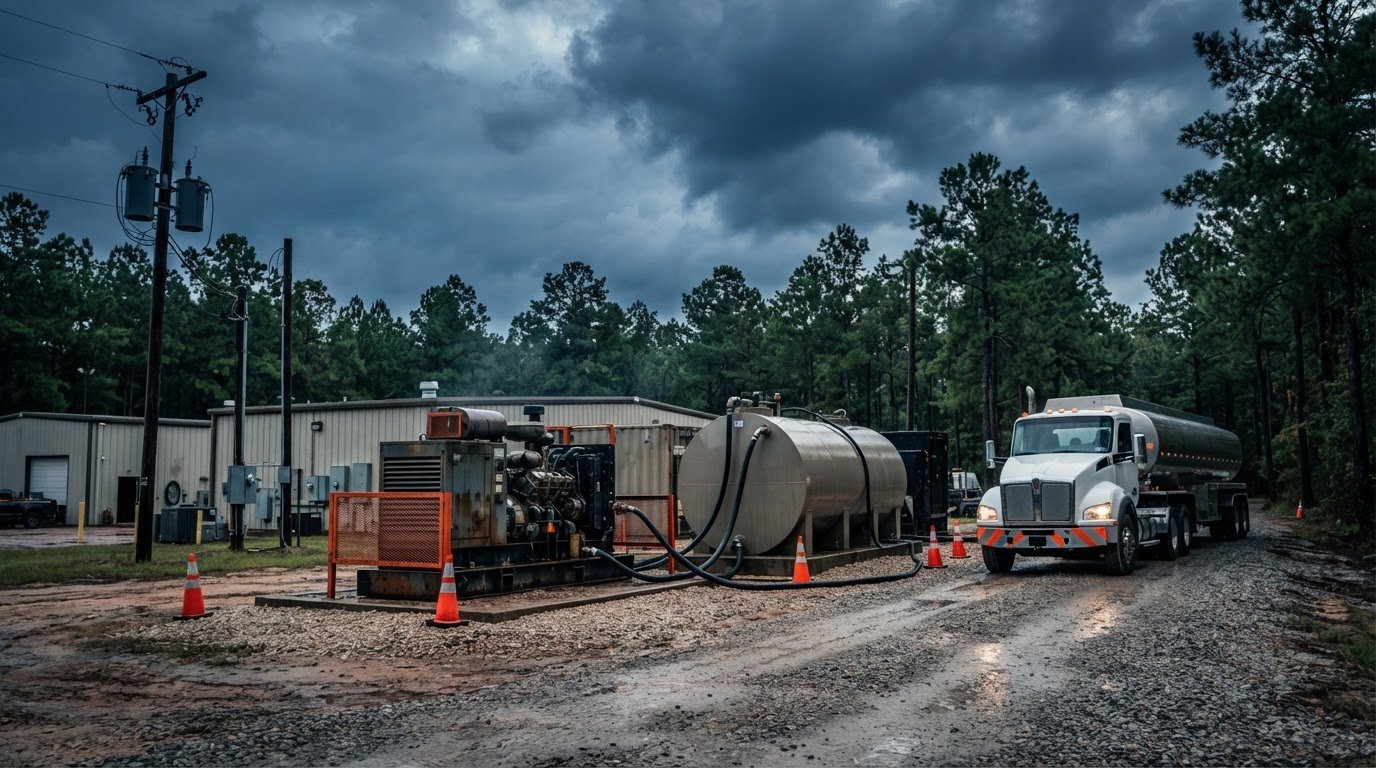
Yes, we provide 24/7 emergency diesel delivery to support critical infrastructure and operational continuity during power outages. Our logistics network is designed for rapid response across Texas, including Houston, Dallas, and Austin. We prioritize generator fueling service for facilities that cannot afford downtime. Being part of the React Holdings family allows us to mobilize resources quickly when severe weather or grid failures threaten your project’s energy supply.
How can I prevent fuel theft on my construction site?
Prevent fuel theft by implementing a combination of physical security and digital tracking. Use locking caps and secure perimeter fencing for all fuel tank rentals. Integrating telematics allows you to monitor consumption in real-time, helping you identify discrepancies between delivered fuel and actual machine usage. Proactive construction site diesel management also involves scheduling direct-to-equipment fueling, which eliminates the need for large, vulnerable stationary tanks by pumping fuel directly into machinery.
What are the environmental regulations for on-site diesel storage in Texas?
Texas environmental regulations require secondary containment for all on-site fuel storage to prevent soil and groundwater contamination. You must follow guidelines established by the Texas Commission on Environmental Quality (TCEQ) and the EPA; these include maintaining accurate spill response plans and keeping spill kits at all dispensing points. Proper signage and fire safety distances are also mandatory. We ensure all our portable tank rentals meet these high standards to protect your company from regulatory penalties.
Is DEF delivery included in a standard diesel management plan?
Yes, DEF delivery is a core component of our integrated logistics strategy. Modern Tier 4 engines require Diesel Exhaust Fluid to stay operational, so we synchronize your DEF refills with your standard diesel schedule. This prevents the downtime associated with engine derating. By managing both fluids under a single account, you reduce administrative friction and ensure your entire fleet remains compliant with emissions standards throughout the project lifecycle.
How does mobile fueling compare to having a permanent tank on-site?
Mobile fueling provides higher flexibility and security by delivering fuel directly to each machine, which is ideal for sites with dispersed equipment. It eliminates the labor costs of operators moving machinery to a central point. Conversely, having a permanent tank on-site through fuel tank rentals provides a bulk reserve that can lower the frequency of delivery calls. Many large Texas projects use a hybrid approach to maximize both bulk storage and mobile efficiency.
Can React Fueling handle fueling for remote industrial sites in Texas?
We specialize in supporting remote industrial and construction environments across the state. Our service area includes Magnolia, College Station, and San Antonio, as well as the major metroplexes. We have the specialized equipment and local knowledge required to navigate difficult terrain and long-distance logistics. Whether you need generator fueling for a remote site or emergency delivery for a pipeline project, our team ensures your energy supply remains consistent and secure.
Recent Posts