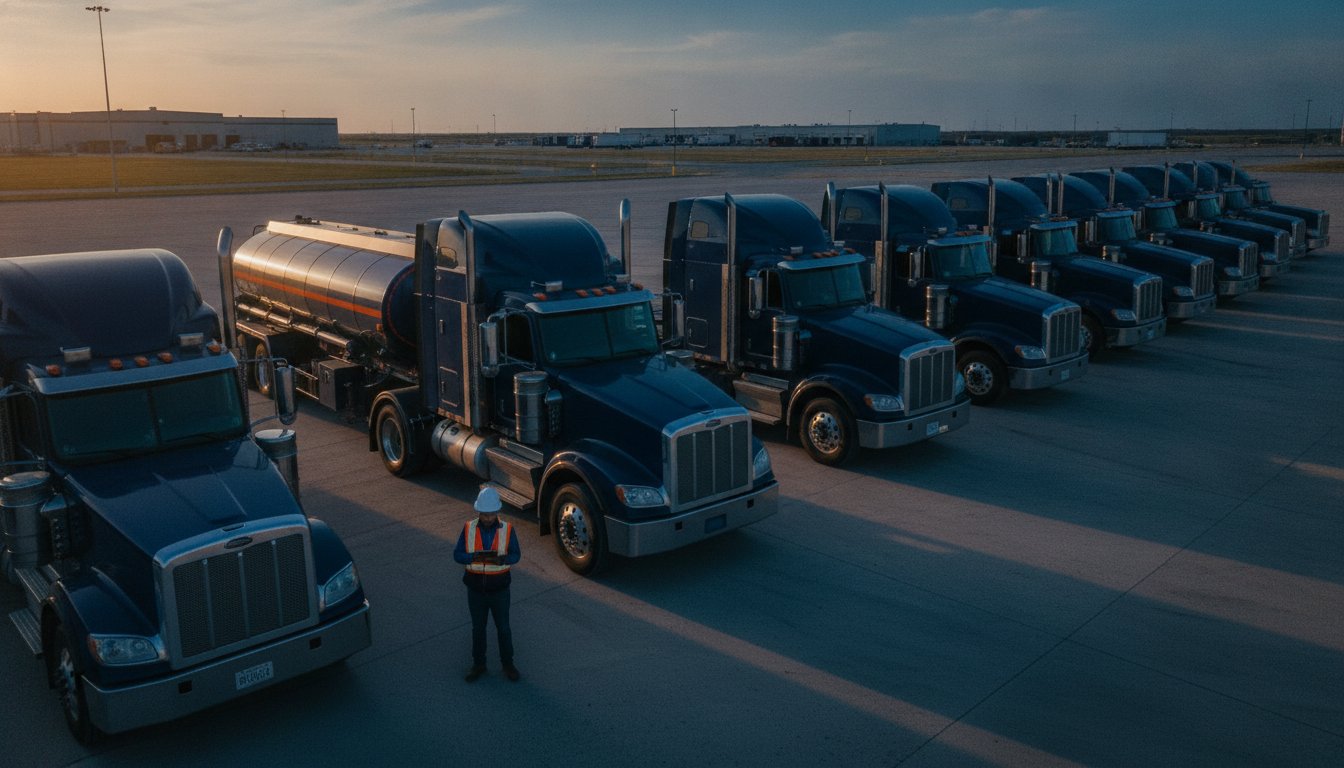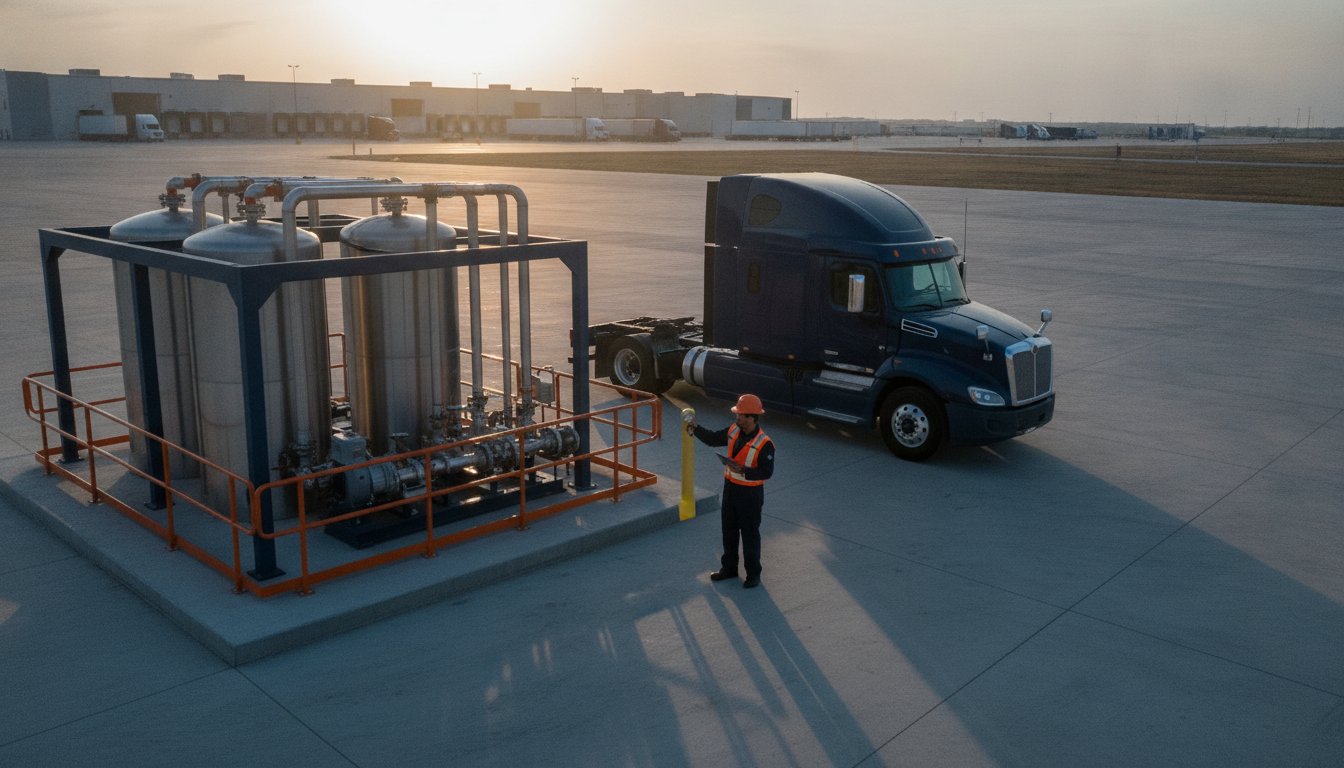
A Magnolia-area outage on September 22, 2026, affected more than 20,000 customers, underscoring how quickly a power interruption can put business operations under pressure. Planning emergency fuel delivery for power outages Magnolia businesses may face starts with a clear picture of what must keep running and how fuel can reach the site.
It’s reasonable to want a dependable answer before generator or equipment fuel runs low. Emergency delivery may help maintain backup power or keep essential equipment operating, but feasibility depends on details such as fuel type, required quantity, site access, current service availability, and dispatch conditions. Those details are worth confirming rather than assuming during an outage.
This guide explains how to assess outage-related fuel needs, compare delivery options, and prepare the information a provider needs to evaluate a request. You’ll also learn how generator fueling and equipment fueling address different operational requirements, so your Magnolia-area operation can build a practical fueling plan before the next disruption.
Emergency Fuel Delivery for a Magnolia Power Outage: What to Assess First
A power outage can put backup generation and essential operations under pressure at the same time. Commercial facilities, construction sites, fleets, and industrial operations may all need fuel support, but the priority and delivery method depend on what must keep running. React Fueling offers commercial emergency fuel delivery; confirm current Magnolia-area coverage and delivery feasibility for each request.
This is a commercial fueling option, not residential heating oil delivery or retail gas station service. Planning for emergency fuel delivery for power outages Magnolia operations may face starts by identifying the equipment at risk, its fuel requirements, and whether a delivery vehicle can safely access the site. Fuel type, quantity, capacity, and dispatch timing should be verified directly rather than assumed.
Which operations need fuel support during an outage?
List the systems that depend on fuel, then rank them by operational importance and the consequences of interruption. A standby generator may support critical facility loads, while construction equipment may need fuel to secure or continue work, and commercial vehicles may be essential to ongoing operations. A diesel generator relies on a consistent fuel supply to produce backup power, but its refueling needs differ from equipment that requires direct fueling.
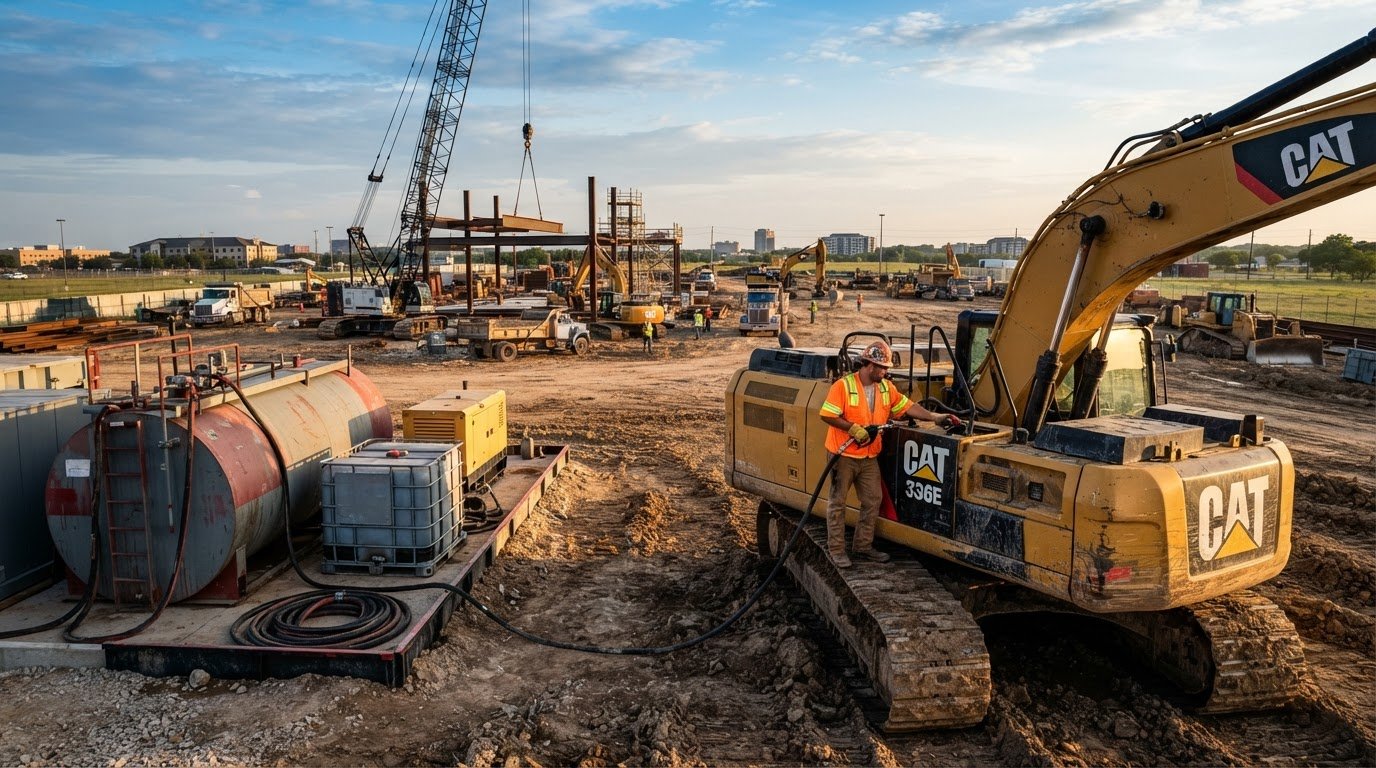
Make that distinction clear when requesting support: generator fueling serves backup power equipment, while equipment fueling addresses machinery or vehicles. Share which assets need fuel first and whether several locations or units are involved.
What should Magnolia businesses confirm immediately?
Prepare accurate site and equipment details before contacting a provider. Clear information helps the provider assess whether delivery is practical and what further details are needed. Have these items ready:
- Location and access: Exact service address, on-site contact, safe entry point, and delivery instructions. Note access restrictions or obstacles that could affect the approach.
- Fuel requirements: Confirm the generator or equipment fuel type using its documentation or a responsible technician. Don’t guess based on another unit’s requirements.
- Need and urgency: Check current fuel level and identify which assets are most critical. Explain how soon support is needed without assuming a delivery window.
- Quantity and capacity: Estimate the amount required and confirm the receiving equipment or tank can accommodate it. Ask the provider to verify delivery capacity and any site-specific requirements.
These checks help turn an urgent request into a clear operational assessment. Confirm current Magnolia service availability and dispatch conditions directly, since access, fuel type, and requested quantity can affect feasibility.
How Emergency Generator Fuel Delivery Supports Outage Continuity
On-site fuel delivery can replenish a compatible generator supply, helping a commercial operation maintain backup power while utility service is unavailable. It doesn’t repair a generator, resolve a mechanical issue, or restore utility power. Fueling is one part of continuity planning, alongside knowing which loads the generator supports and how the site will operate during an outage. Ready.gov’s Preparing for a power outage guidance can help inform broader preparedness steps.
A clear fueling request follows a practical sequence: identify the generator’s need, confirm its fuel and quantity requirements, coordinate site access, arrange delivery, then document the replenishment for internal planning. For emergency fuel delivery for power outages Magnolia businesses may request, verify current coverage and dispatch conditions directly. Fuel type and generator instructions matter: the wrong fuel or an unsuitable transfer setup can make delivery unusable or unsafe. Consult the equipment documentation or responsible operator before requesting service.
How to estimate fuel needs without guessing
Gather the generator make and model, fuel type, tank capacity, current fuel level, and operating status. Then ask the generator operator or consult manufacturer documentation for fuel consumption under the actual load. Tank capacity alone can’t establish runtime, and generic consumption assumptions may not reflect the equipment’s operating conditions. Share the information with the provider so the requested quantity can be assessed against the equipment and site setup.
Generator refueling versus equipment fueling
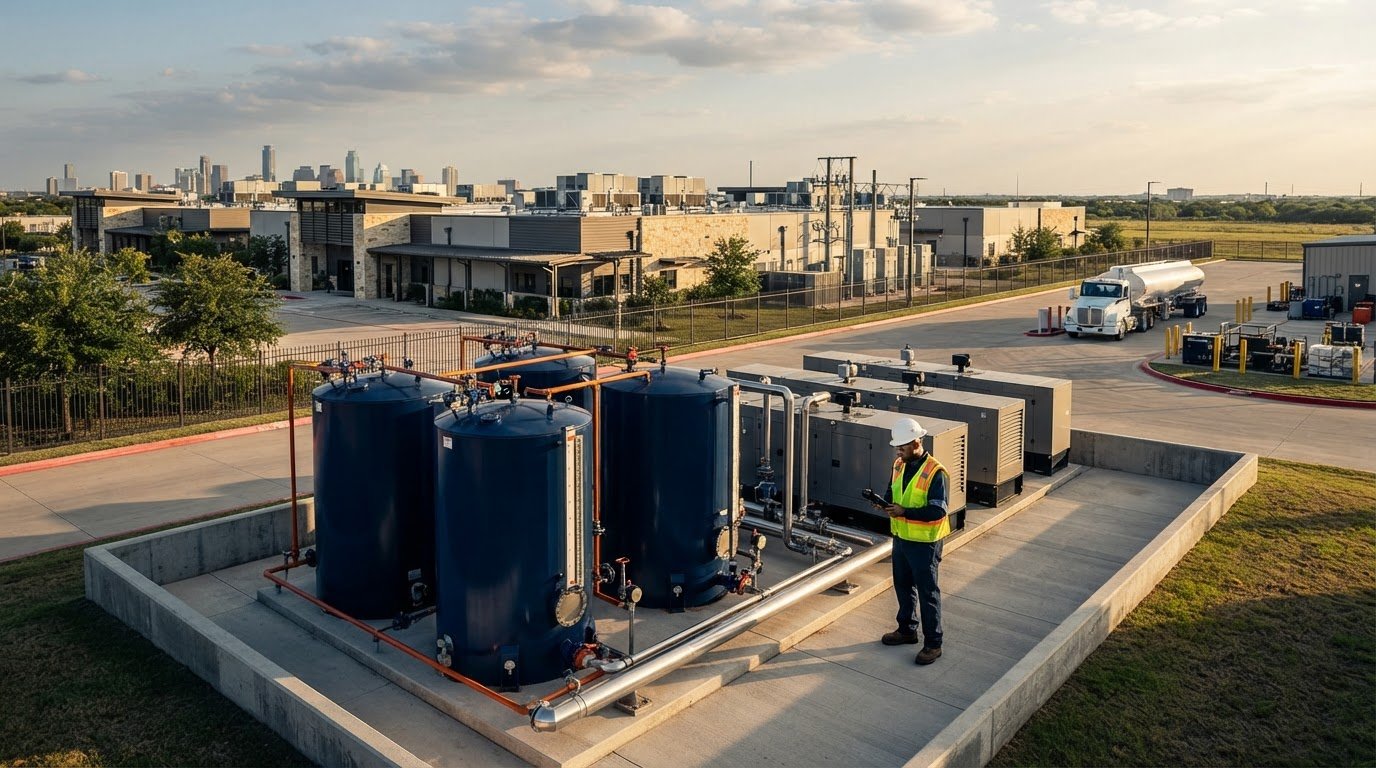
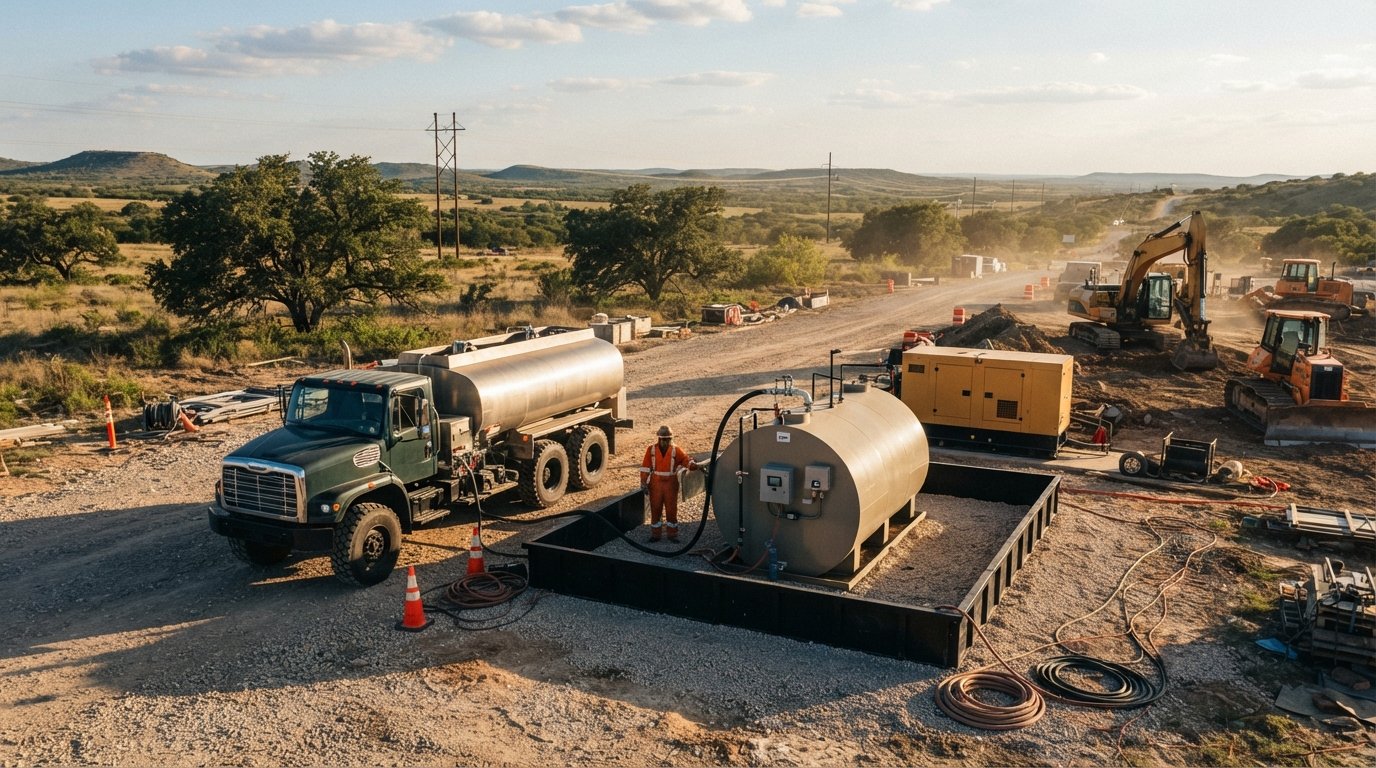
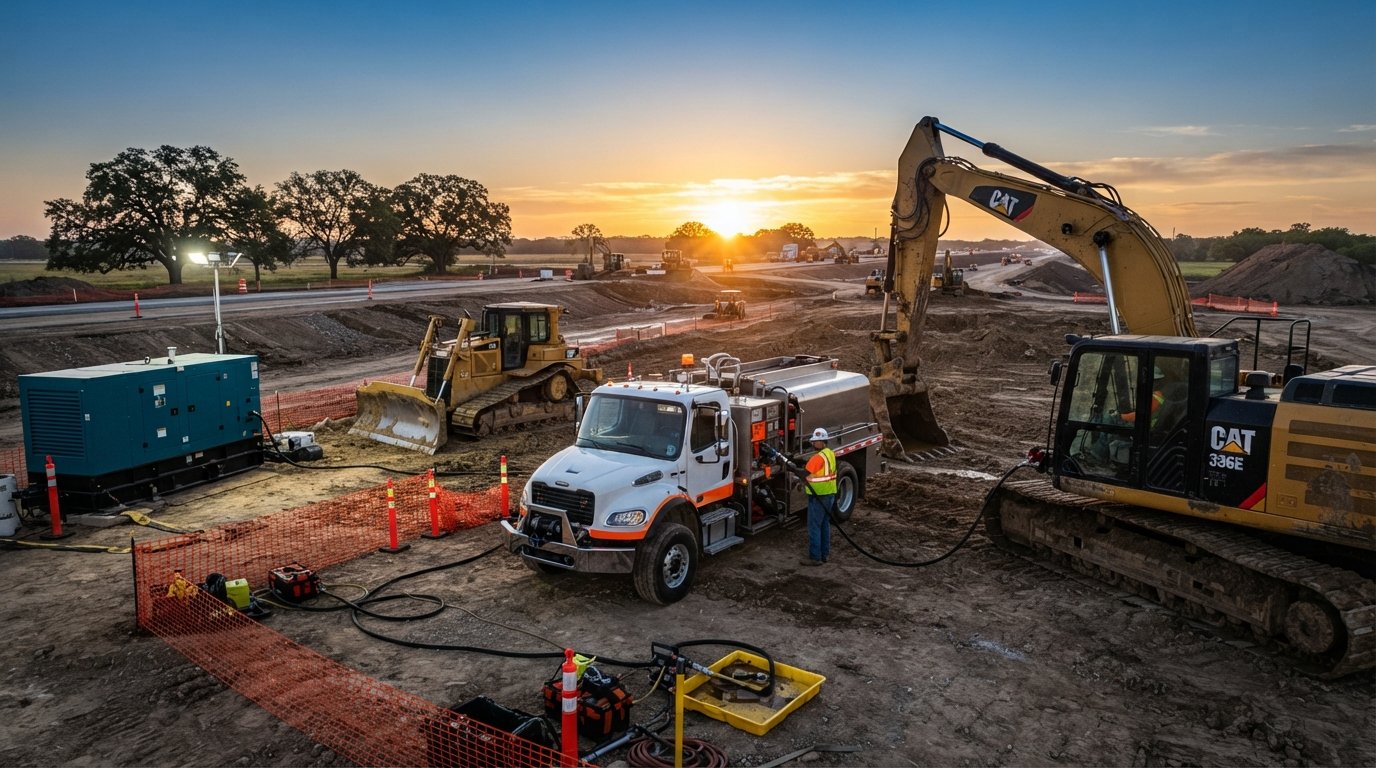
Fuel for a stationary standby generator serves backup power needs; fuel for mobile machinery supports equipment operating at a worksite. The delivery method and site setup depend on the unit and access conditions, so explain where the asset is positioned and how it can be reached. React Fueling offers a commercial generator fueling service; confirm the fuel type, delivery capacity, and site requirements for the specific request.
Keep a record of fuel level, operating status, replenishment, and any changes in load. This gives the operations team a useful basis for reassessing needs if the outage continues, without treating an estimate as a guaranteed runtime. For broader planning beyond immediate refueling, consult Emergency Generator Fueling Service: The Comprehensive Guide to Power Continuity as a companion preparedness resource.
How to Compare Emergency Fuel Delivery Options in Magnolia
Compare providers against the outage need, not just a broad claim of regional coverage. A company may offer generator fueling, equipment fueling, or general fuel delivery, but the right fit depends on the exact address, compatible fuel, delivery approach, and site access. For emergency fuel delivery for power outages Magnolia businesses are evaluating, confirm current availability and dispatch conditions directly. Demand, access constraints, and changing conditions can affect whether a request can be fulfilled and when a provider may be able to dispatch.
Questions to ask a provider before confirming service
Give the provider the precise location, facility or worksite type, fuel requirement, requested quantity, and access details. Ask whether the address is currently serviceable, what equipment or receiving setup is required, and which contact should coordinate entry. Request a realistic dispatch update based on current conditions. Treat any timing estimate as an estimate, not a guarantee, and clarify how you’ll receive updates if availability changes.
Match the service to the asset. Generator fueling supports stationary backup power equipment; equipment fueling is intended for machinery or other eligible equipment. General fuel delivery may fit a designated receiving point, subject to compatibility and site requirements. Confirm the intended delivery type when you request service so the provider can assess the actual need.
When on-site fuel storage may help
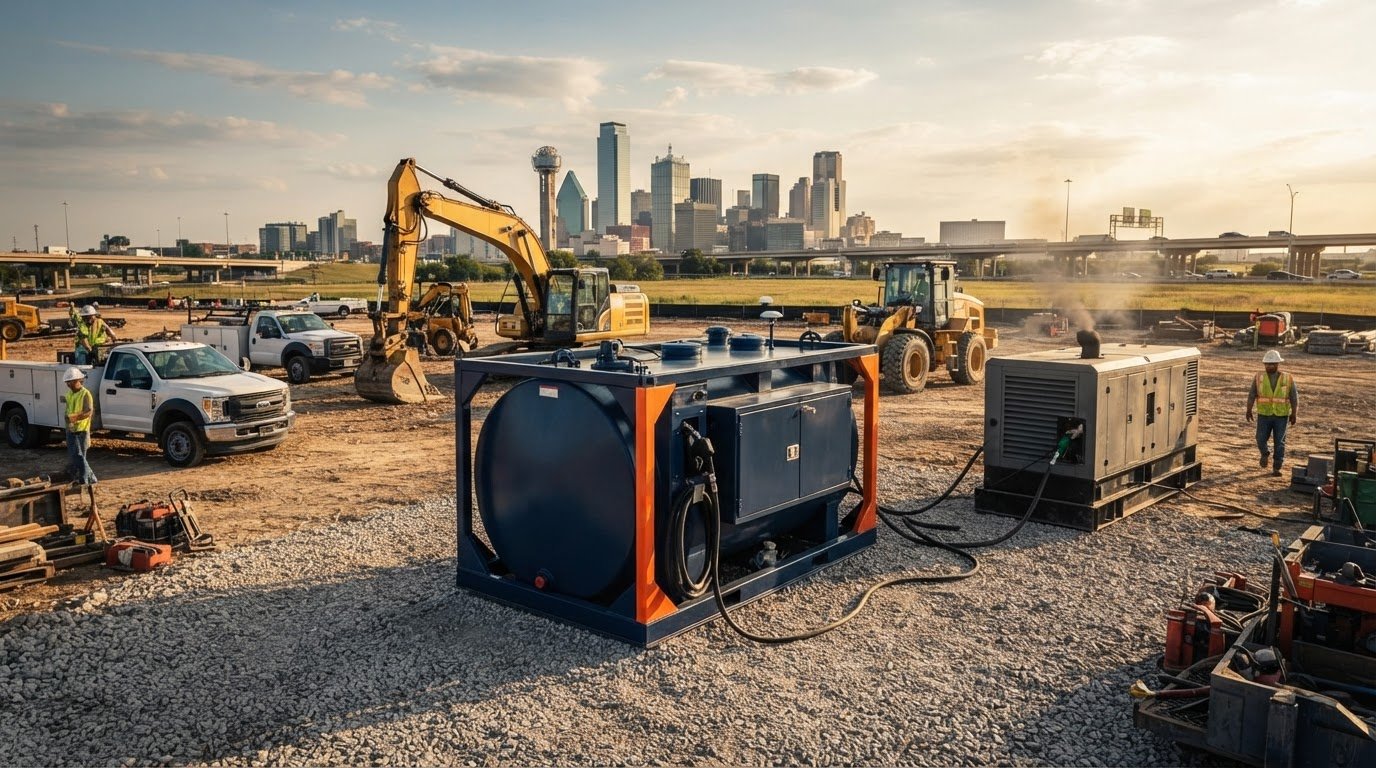
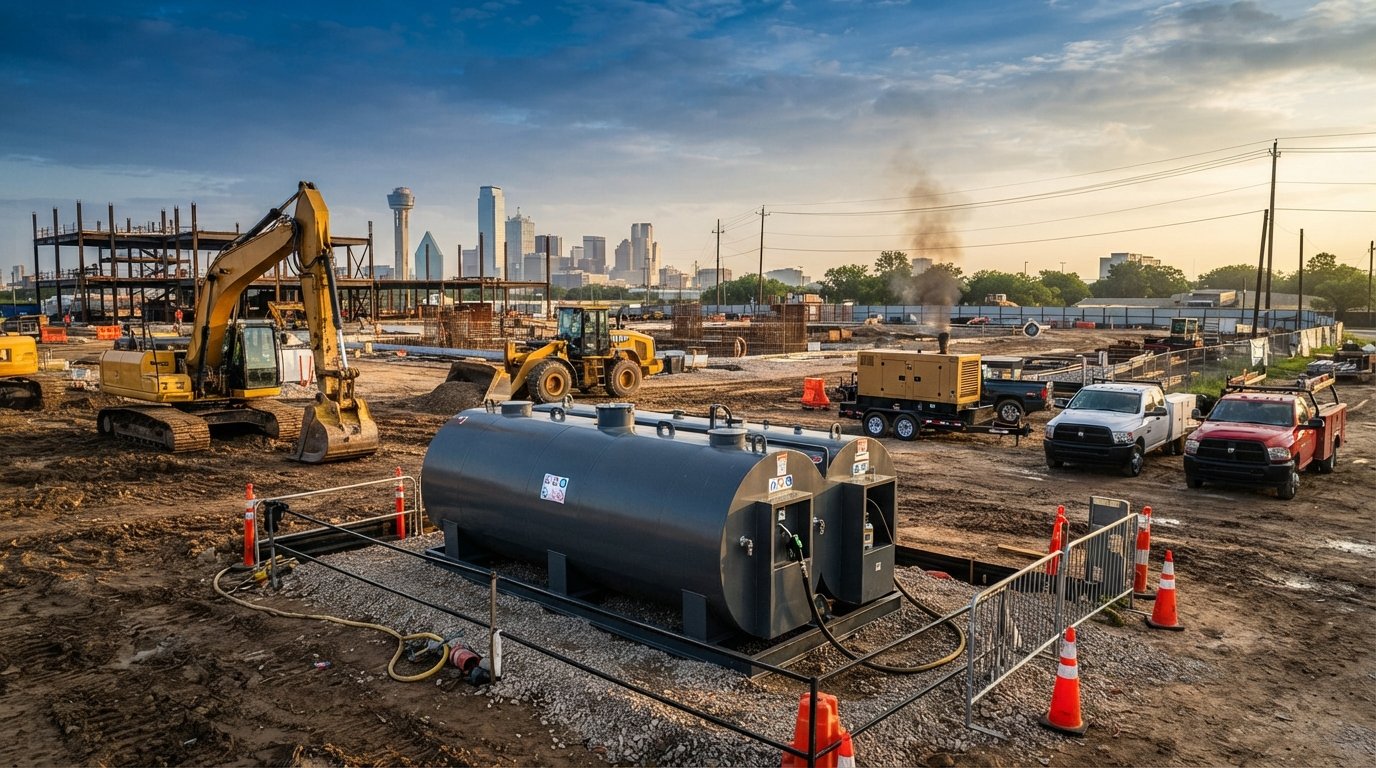
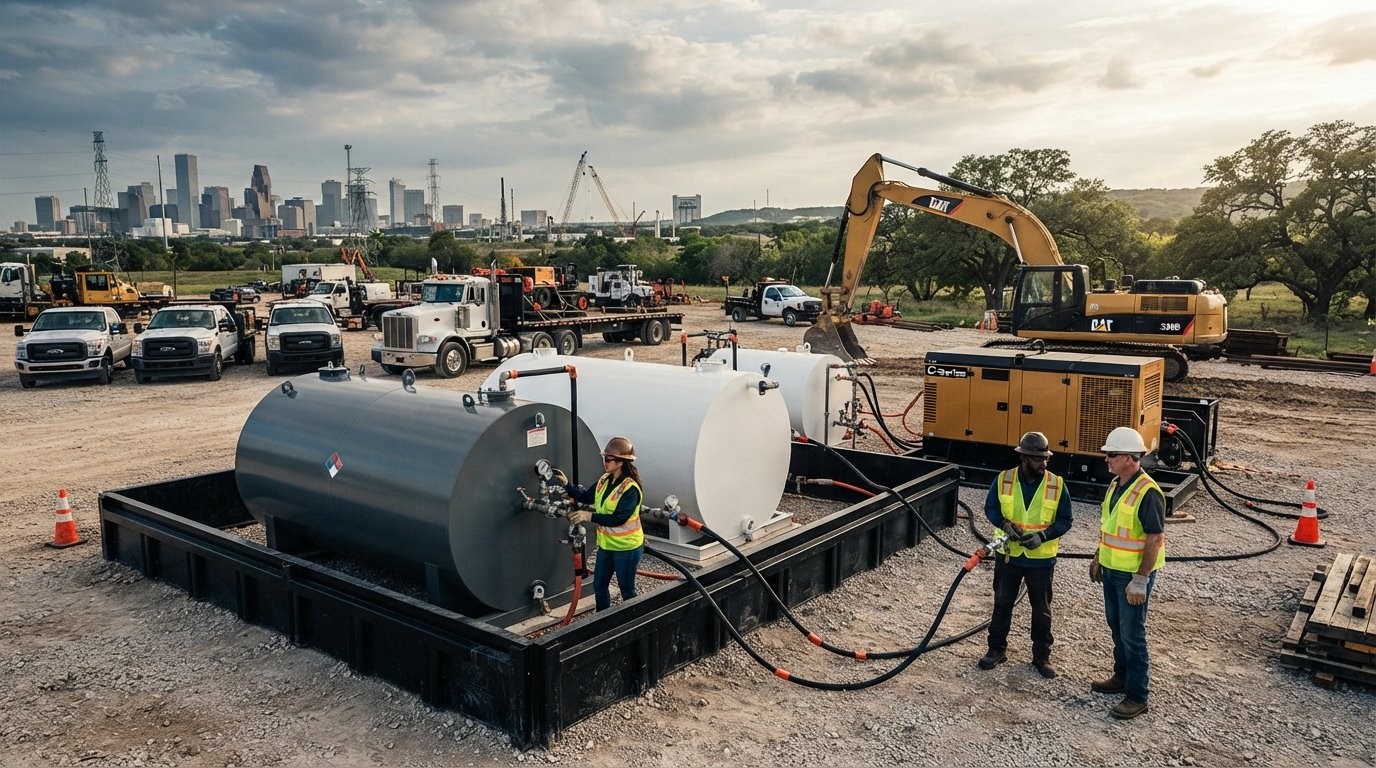
If an operation has recurring fuel demand, a portable tank may be worth evaluating as part of its continuity plan. Consider placement, site rules, the equipment it will serve, and who will oversee refueling. Review the setup with qualified personnel before arranging storage. React Fueling offers portable commercial fuel tank rentals; confirm suitability and availability for the site.
What to Do Before and During an Outage-Related Fuel Delivery
A prepared site can reduce confusion when backup power is already in use. Build the process into the facility’s emergency plan, and assign qualified site personnel to control generator operation and follow applicable equipment instructions and safety procedures. An emergency fuel delivery service may support commercial continuity, but delivery feasibility, fuel compatibility, and dispatch timing must be confirmed for the specific request.
Prepare site and generator information in advance
Keep current records where the authorized contact can access them during an outage. Include equipment and fuel specifications, tank details, and instructions for reaching the correct person. Document gate codes, delivery routes, clearance limits, and a safe staging location. Review these details with responsible staff so they know the site plan and who can approve and coordinate access.
- Maintain equipment records: Record generator or equipment identification, approved fuel type, and relevant tank information.
- Map delivery access: Note entry points, route constraints, clearance limits, and staging instructions.
- Assign responsibility: Identify the site contact and review the emergency plan and equipment instructions with qualified personnel.
Coordinate delivery during an active outage
Once an outage creates a fueling need, share the information a provider needs to assess the request. Give a precise location, fuel type, requested quantity, equipment status, and any access constraints. Ask about current service availability and dispatch updates rather than assuming a delivery window. Keep the agreed route clear, and assign an authorized contact to guide the driver and coordinate site entry.
- Before dispatch: Verify the receiving equipment or tank details and communicate relevant site instructions.
- During delivery: Keep the designated contact reachable and let qualified personnel manage generator operation and site procedures.
- After delivery: Confirm completion details and update the site fuel log with the replenishment information.
This sequence helps make emergency fuel delivery for power outages Magnolia businesses arrange easier to coordinate, while keeping operational decisions with the people responsible for the equipment. To discuss a commercial fueling request and confirm the details needed for your site, contact React Fueling.
Arrange Commercial Emergency Fuel Delivery for Your Magnolia Site
React Fueling provides commercial emergency fuel delivery, generator fueling, and equipment fueling for businesses and operations, including customers in Magnolia and surrounding Texas markets. If you’re planning for emergency fuel delivery for power outages Magnolia sites may need, treat local coverage as a starting point, not confirmation of a specific dispatch. Verify current availability, fuel compatibility, delivery capacity, and site requirements for your request.
A precise request helps the provider assess what’s needed and whether delivery is feasible. Distinguish fuel for a stationary generator from fuel for mobile equipment, and share the details that could affect access or coordination. If you don’t know the exact quantity, give the current fuel level and equipment information rather than guessing.
Information to include in a fuel delivery request
Gather the operational details before contacting a provider. Include the site address, business or facility type, outage status, and primary on-site contact. Then provide the following information as accurately as possible:
- Fuel and equipment: Specify the fuel type and identify the generator, equipment, or tank receiving fuel. Share relevant tank or equipment details.
- Current need: Report the current fuel level and requested amount, if known. Explain which equipment is most critical to operations.
- Site access: Describe entry points, delivery instructions, route limitations, and any access constraints.
- Safety considerations: Flag immediate site conditions the provider should know about, and identify the qualified staff member responsible for equipment and site procedures.
Clear information reduces avoidable back-and-forth and helps keep the request focused on the actual outage need. Don’t substitute assumptions for equipment documentation or instructions from the responsible operator.
Confirm the service plan before dispatch
Before treating a request as arranged, ask the provider to confirm whether the site and service are feasible, which delivery details are understood, and how the next update will be communicated. Verify any outstanding questions about fuel type, quantity, access, and dispatch conditions. A request or timing estimate isn’t a guarantee of response time or fuel availability, so wait for direct confirmation before relying on a delivery plan.
With the site, equipment, and access details ready, your team can make a more informed decision under pressure. Contact React Fueling to discuss Magnolia-area emergency fuel delivery and confirm the requirements for your operation.
Build Your Magnolia Outage Fueling Plan Now
Dependable outage fueling starts before fuel runs low. Identify which generators, equipment, or vehicles are critical, confirm their fuel requirements, and prepare accurate site and access details. These steps help a provider assess delivery feasibility without relying on assumptions about fuel compatibility, dispatch timing, or availability.
React Fueling lists commercial emergency fuel delivery, generator fueling, and equipment fueling among its services, and Magnolia is included in its stated Texas service area. That doesn’t confirm coverage or dispatch for every request, so verify current availability and provide your site address, fuel type, equipment details, requested quantity, urgency, and access instructions.
For emergency fuel delivery for power outages Magnolia businesses may need, a prepared request can help clarify the next steps and support operational continuity. Contact React Fueling to discuss Magnolia-area emergency fuel delivery and confirm what your site requires. With a practical plan in place, your team can respond with greater clarity when an outage puts operations under pressure.
Frequently Asked Questions
Can I get emergency fuel delivery during a power outage in Magnolia?
Commercial emergency fuel delivery may be available for a Magnolia operation, but current coverage, fuel availability, and dispatch conditions must be confirmed for the exact site. React Fueling lists Magnolia among its service-area cities, alongside Houston, San Antonio, College Station, Austin, and Dallas. Share your address, facility type, fuel requirements, quantity, access details, and urgency so the provider can assess feasibility. This is commercial service, not residential heating oil or retail station service.
What information should I provide when requesting emergency fuel delivery?
Provide the exact site address, business or facility type, outage status, and name and phone number of the on-site contact. Identify the generator, equipment, or tank needing fuel, confirm the required fuel type from its documentation, and share the current level and requested quantity if known. Describe gates, access restrictions, delivery instructions, and relevant safety considerations. Clear, accurate details help the provider evaluate the request and explain what can be arranged.
Can a fuel delivery company refuel a commercial backup generator?
Yes, generator fueling is a commercial service React Fueling lists. Before requesting it, confirm the generator’s fuel type and instructions with the equipment documentation or responsible operator. Provide its location, operating status, current fuel level, and tank details, along with site access requirements. Fuel delivery can replenish compatible fuel, but it doesn’t repair a generator or restore utility power. Confirm current Magnolia-area service availability and delivery feasibility directly with the provider.
How much fuel does my generator need during an outage?
The required amount depends on the generator, its fuel capacity, current fuel level, operating load, and fuel consumption under those conditions. Check the equipment documentation and ask the responsible operator or technician to assess expected consumption. Don’t estimate runtime from tank capacity alone or rely on a generic consumption figure. Share the equipment and fuel details with the provider, then confirm the requested quantity and receiving capacity before arranging a delivery.
How quickly can emergency fuel be delivered to Magnolia?
There isn’t a confirmed delivery window that applies to every Magnolia request. Dispatch timing can depend on current availability, demand, site access, fuel type, and the details of the request. Contact the provider with your exact address, urgency, quantity, equipment, and access constraints, then ask for a current dispatch update. Treat a timing estimate as an estimate, not a guarantee, and confirm service feasibility directly before relying on delivery for operational planning.
Can emergency fuel be delivered directly to equipment at my site?
Direct equipment fueling is among React Fueling’s listed commercial services, but suitability depends on the equipment, fuel compatibility, site setup, and access. Tell the provider whether fuel is for mobile machinery, a stationary generator, or another receiving point. Include the equipment’s location and any access limits so the delivery method can be assessed. Confirm current availability and any site-specific requirements for your Magnolia-area operation before coordinating service.
Should my business rent a portable fuel tank before an outage?
A portable tank rental may be worth considering if your business has recurring on-site fuel needs and a suitable, approved location for storage. Assess placement, site rules, who will oversee refueling, and how the tank will support your equipment or generator. Review the setup with qualified personnel and confirm tank suitability, availability, and any site requirements with the provider. A rental can support planning, but it doesn’t guarantee fuel supply during an outage.