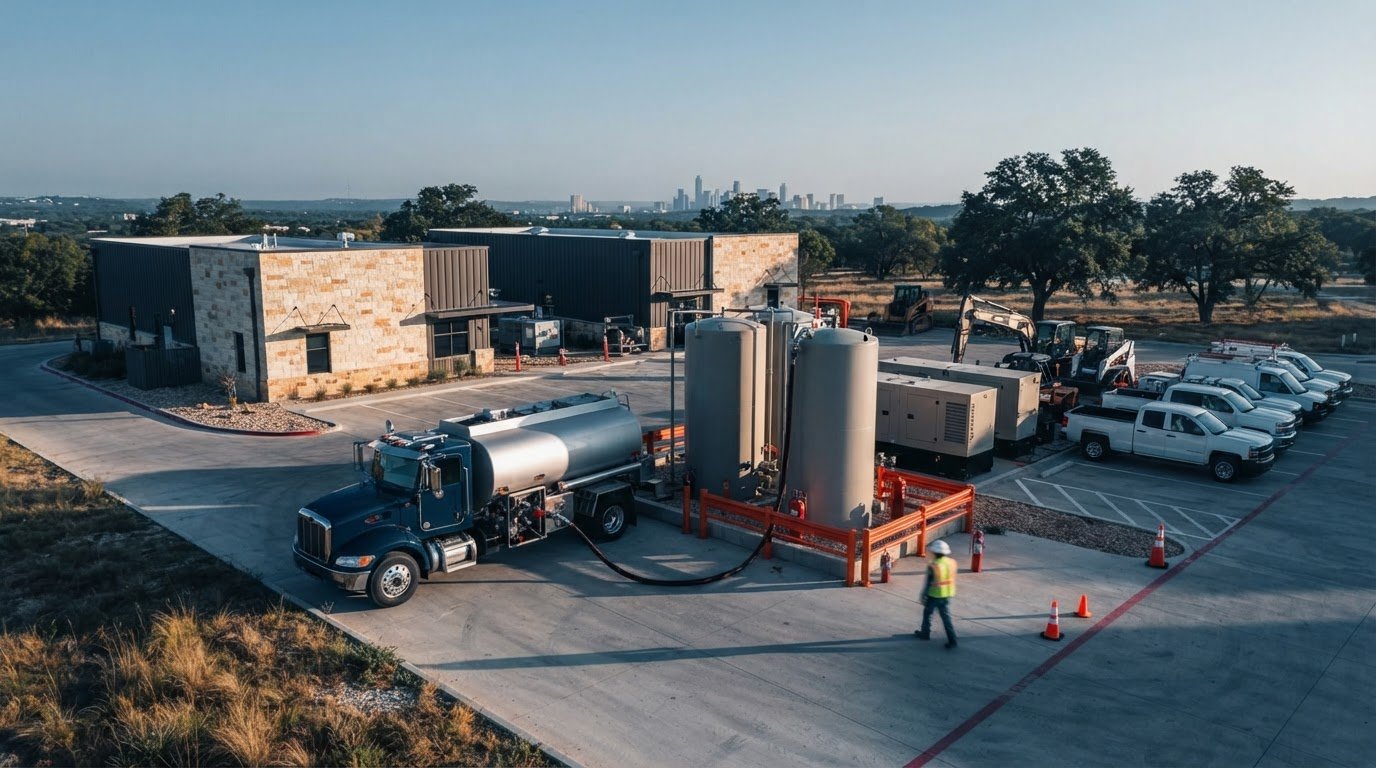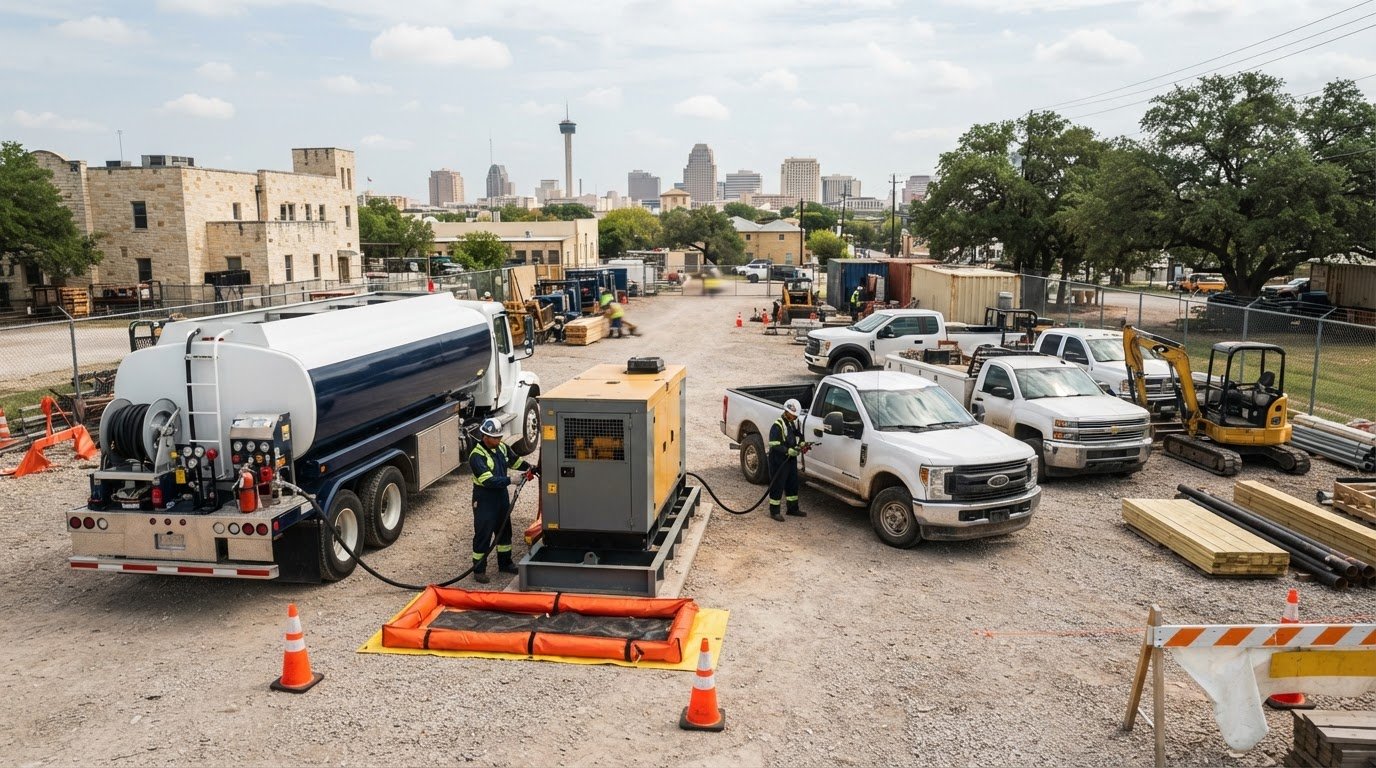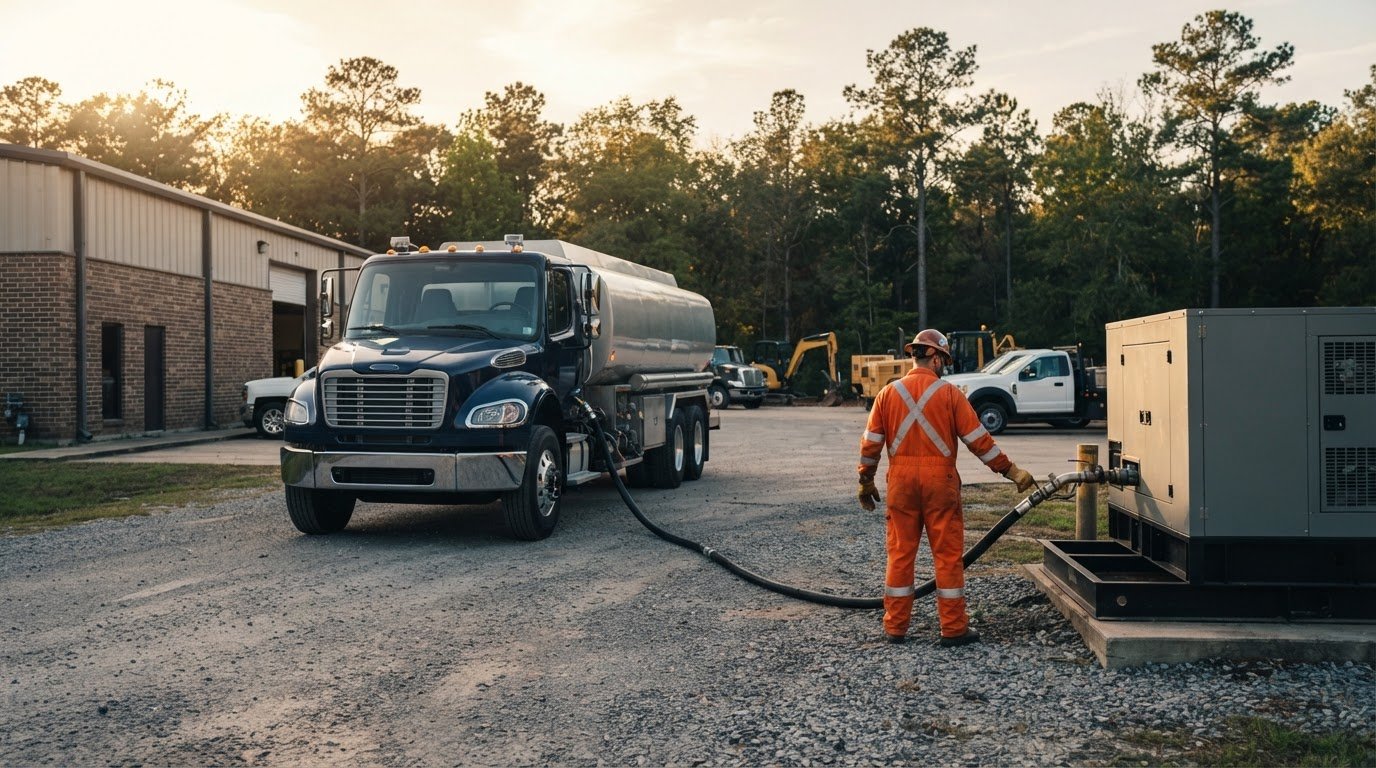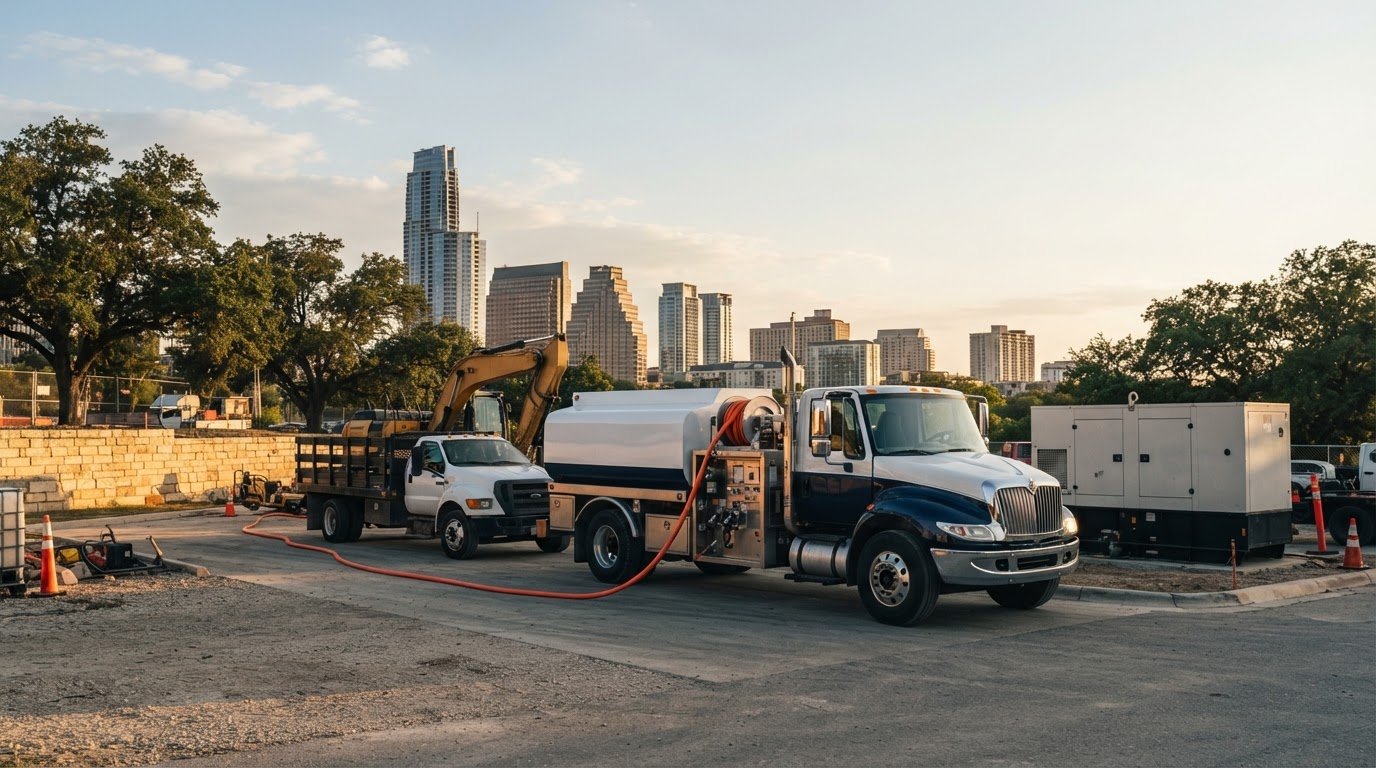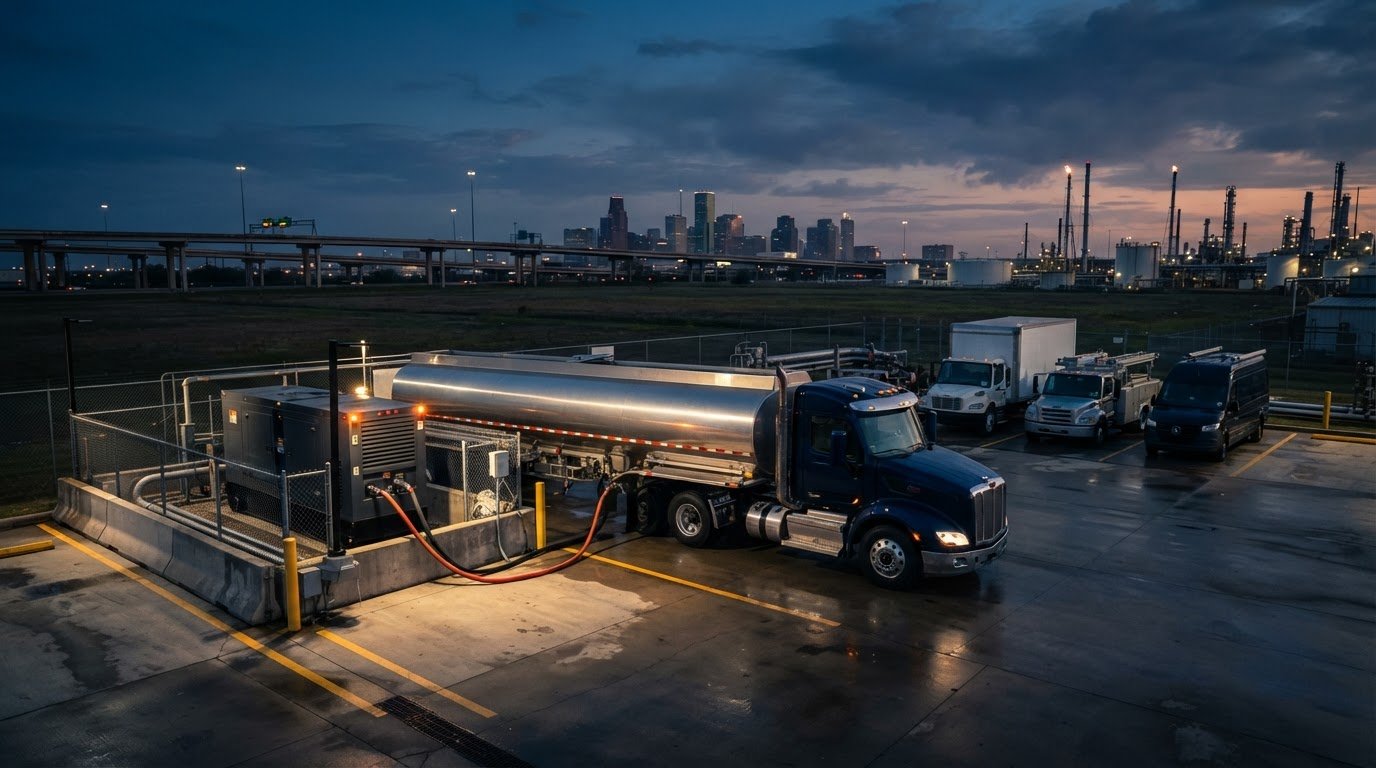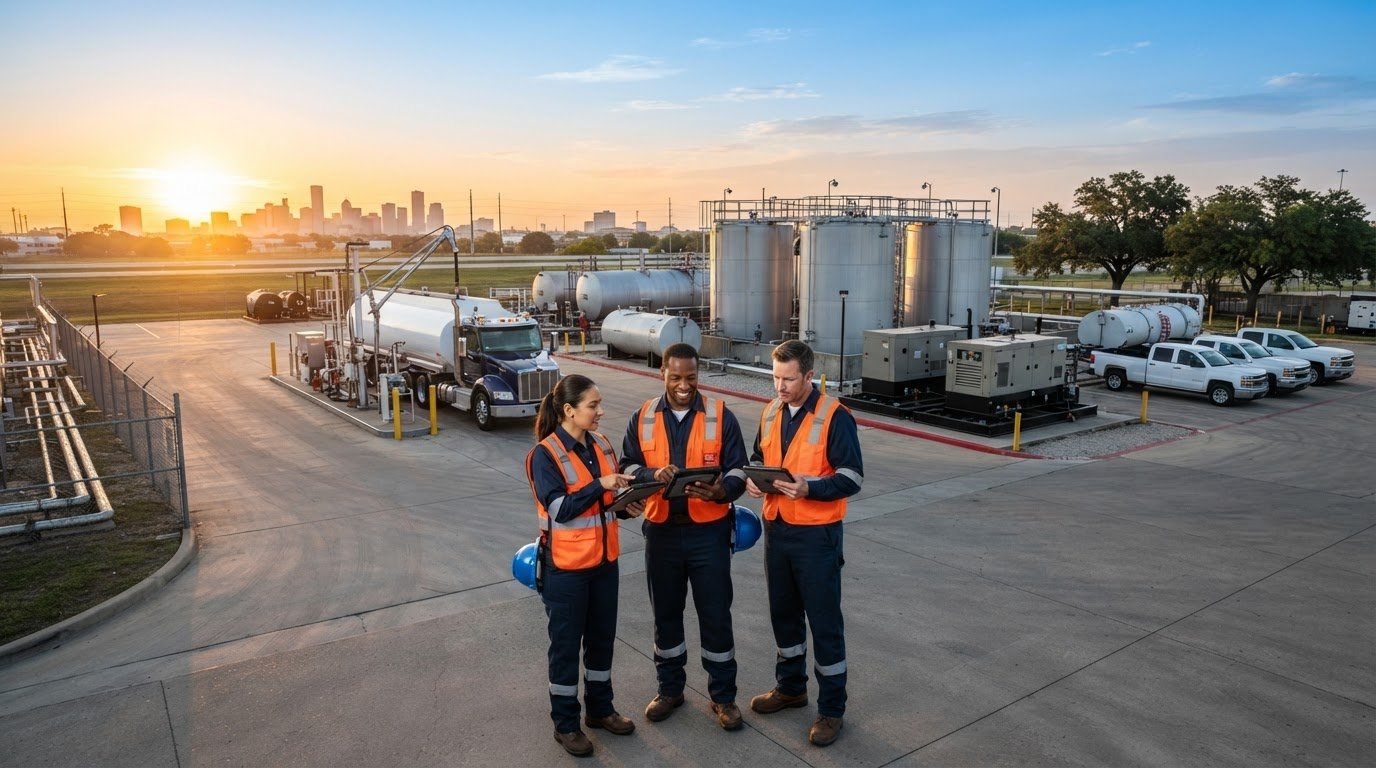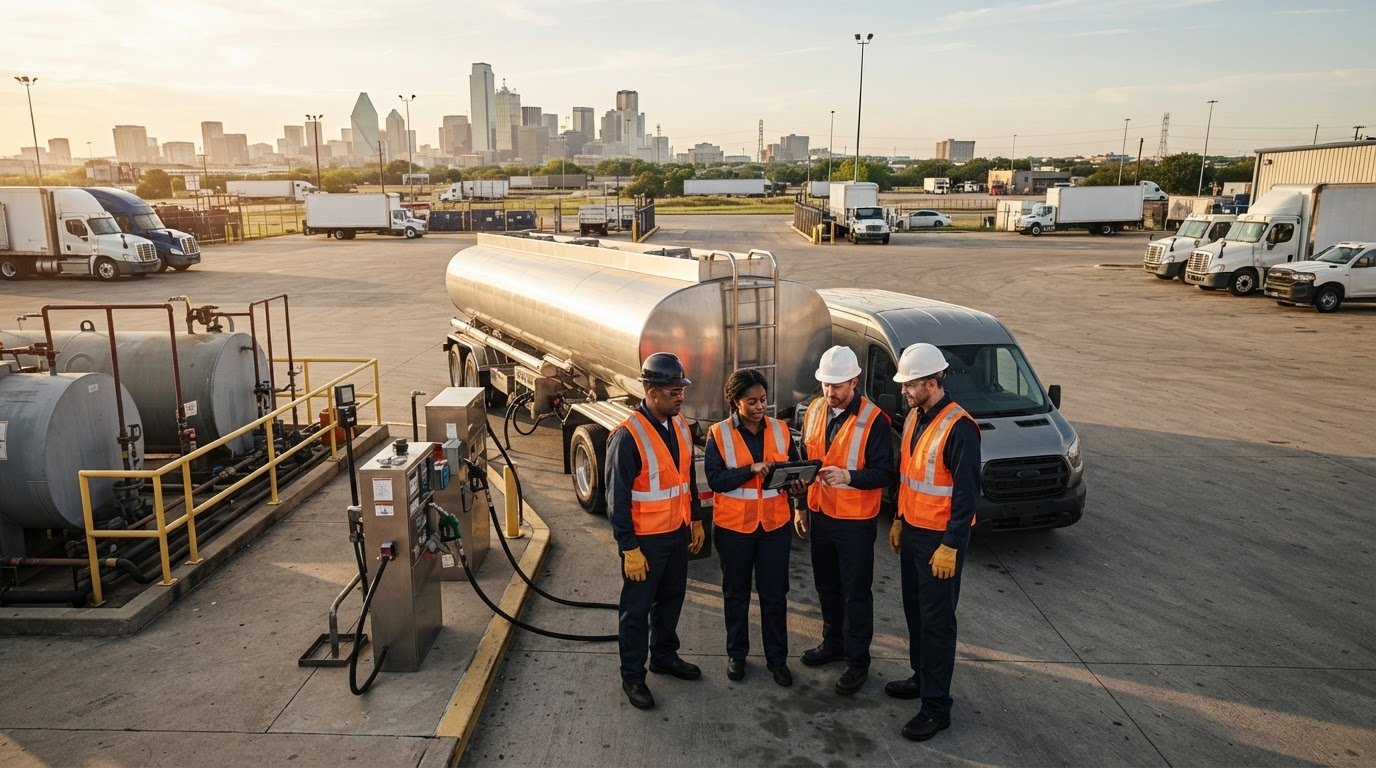
A generator can be ready to run and still be sidelined by an empty tank. Rapid response fuel delivery for emergencies in Magnolia brings fuel directly to critical sites, helping keep hospital backup power, shelters, emergency operations, response vehicles, and recovery equipment supplied when normal access to fuel is disrupted.
When severe weather or an equipment outage puts operations under pressure, fuel access becomes part of the response plan. This guide explains how emergency delivery works, what affects fuel needs and delivery planning, and how to coordinate fuel for generators, first responders, and recovery equipment in Magnolia.
You’ll also learn how fuel delivery can support hospitals, shelters and emergency operations, and what details to prepare when arranging service. Clear planning helps teams focus on essential work and communicate fuel needs effectively.
Fueling hospitals, shelters, and emergency operations centers
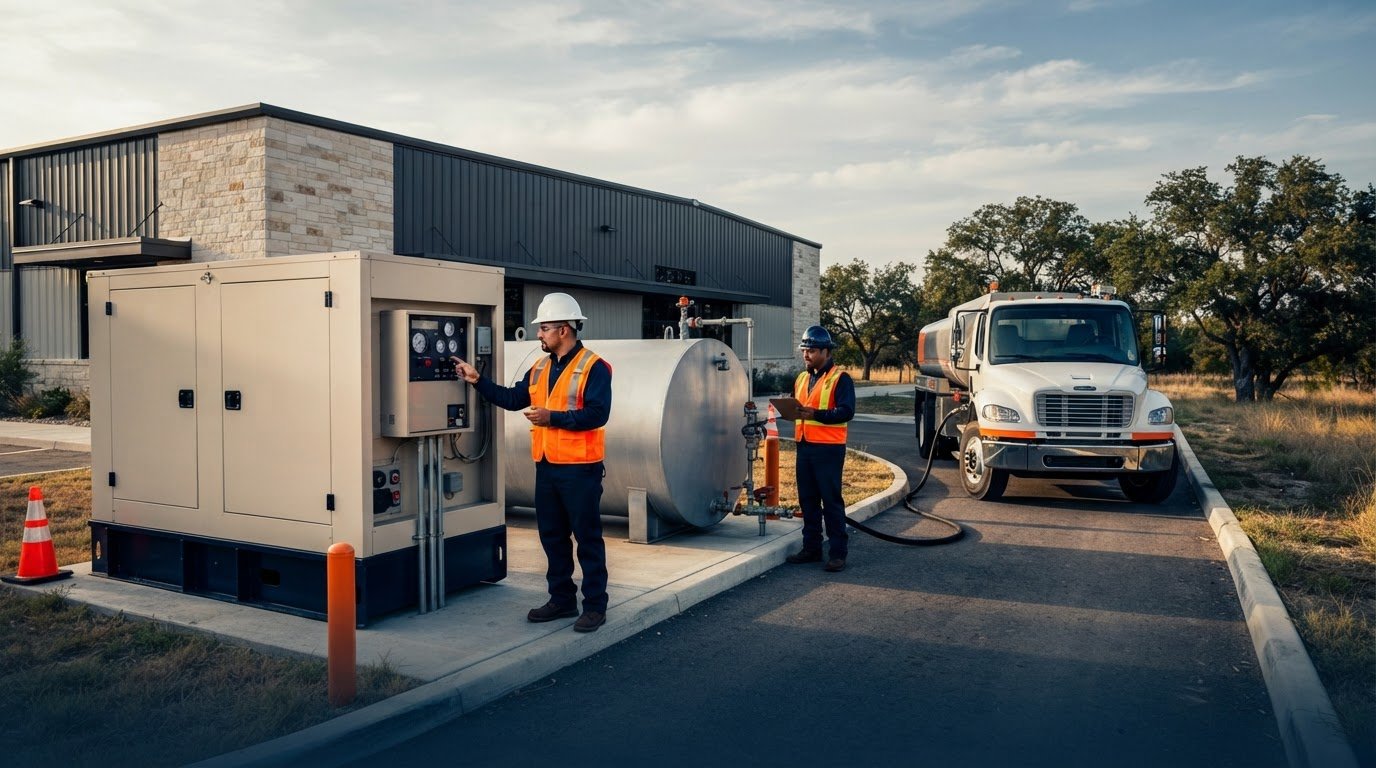
Hospitals, shelters and emergency operations depend on generators and reliable fuel access during outages. In Magnolia, continuity planning starts with identifying critical equipment, fuel requirements and delivery locations.
Fuel Types and Delivery Coverage
Start with the equipment: a hospital generator, a shelter’s backup system and response vehicles may each require different fuel. Identify the fuel each asset uses, then record where delivery vehicles can safely reach it. Clear site instructions help dispatch distinguish a generator fueling point from a fleet staging area.
Which companies serve Magnolia? React Fueling provides commercial fuel delivery and equipment and generator fueling for operations in Magnolia. Add the delivery address, equipment details, access instructions and authorized site contact to your continuity plan.
Post-Hurricane Generator and Business Fueling
After a hurricane, generators can provide essential power to hospitals, shelters and businesses. A plan should identify priority sites, generator locations, tank access and who can authorize delivery. These details help teams coordinate fueling while emergency operations continue.
Storm-related interruptions to fuel, food and other supplies can hamper tactical operations, according to the U.S. Fire Administration and FEMA. Magnolia organizations should plan for fuel access rather than rely solely on routine supply channels after severe weather.
Emergency Delivery Safety Rules
What safety rules apply to emergency fuel delivery in Magnolia, Texas? Emergency fuel providers should follow site safety protocols, environmental compliance requirements, and use certified personnel and equipment. Before delivery, designate a site contact, identify the fueling area, and communicate access restrictions.
Hospitals and emergency operations centers can build these steps into continuity plans. Mark generator locations and safe truck access, and identify who controls the fueling area. Clear instructions help crews work around active response operations.
Eligible Emergency Fueling Locations
Can fuel be delivered to stranded vehicles, generators, homes, and businesses in Magnolia? Delivery destinations depend on the service and site access; planning should distinguish commercial generators and business equipment from individual vehicles or residences. Record the exact location and equipment type for each priority request.
For hospitals, shelters, and business sites, note the tank or generator location, entry route, and on-site contact. A stranded vehicle may require a different access plan from a fixed generator. These details help dispatch assess each request and coordinate delivery around road conditions and emergency activity.
That risk is not limited to a single facility. Hurricane Laura left the Lake Charles community without electricity, cell service, or working gas stations in 2020. For Magnolia planners, this underscores the value of including backup ways to contact suppliers and site contacts, as well as clear priorities for generator and vehicle fueling when communications or fuel access are disrupted. Keep instructions with the response plan so authorized staff can identify the location, equipment, access route, and person approving a delivery.
The U.S. Fire Administration and FEMA state that halted fuel, food and other supplies can markedly hamper tactical operations. Advance coordination helps facilities communicate their needs and delivery instructions while emergency operations continue. Make priorities and site responsibilities clear so staff can direct a provider to the right fueling point without relying on routine supply channels.
Can you fuel generators during power outages?
Yes. On-site fuel delivery can replenish generators during power outages, supporting essential facilities and equipment. Effective planning starts with clear site access, fuel requirements and delivery priorities.
On-Site Fueling for Generators and Fleets
On-site fueling can serve fixed generators, equipment tanks, refrigerated trailers, or fleet vehicles at a worksite. A hospital, for example, can identify its backup generator and delivery access point, while a distribution facility can map reefer parking and fleet staging areas separately.
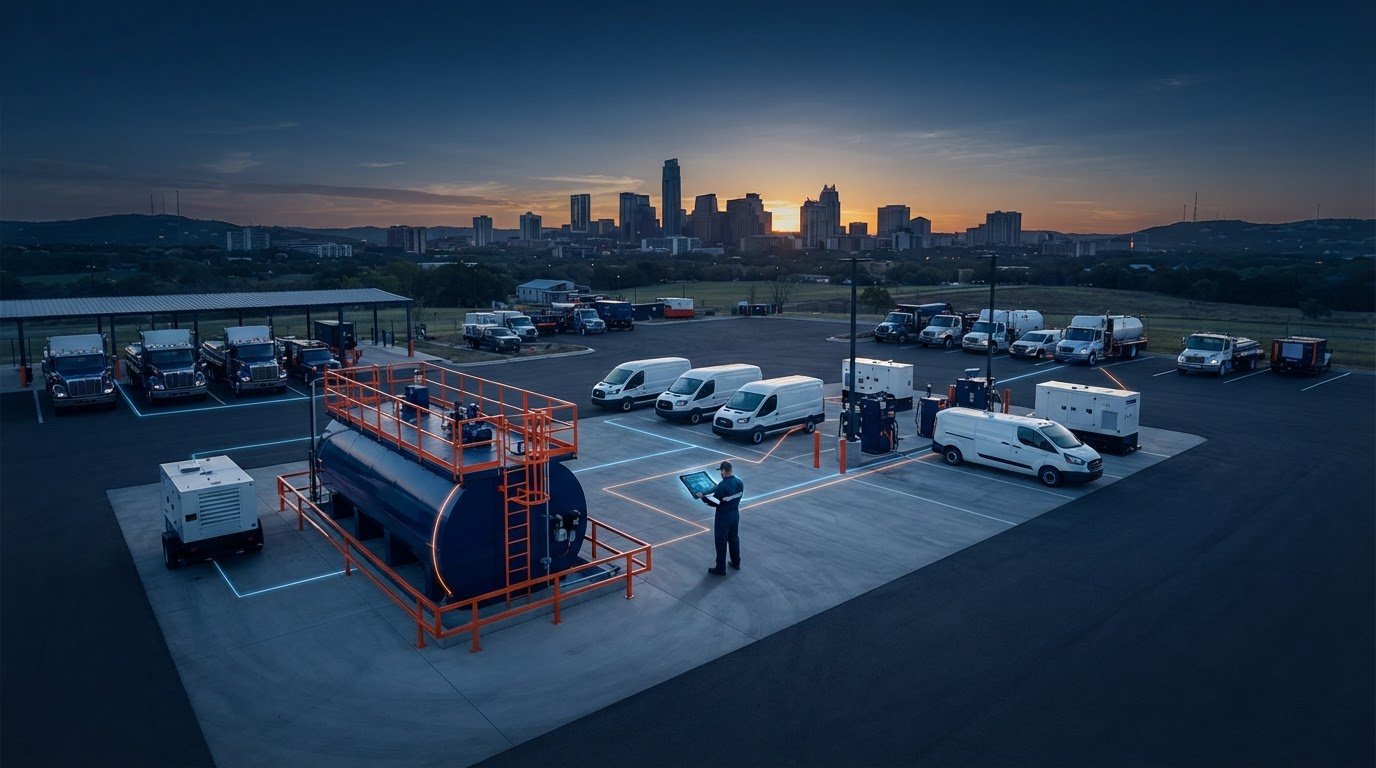
Before an outage, document each asset’s location, fuel type, tank access and site contact. Include entry instructions for delivery vehicles, especially where gates, loading areas or active work zones affect access. These details help dispatch coordinate fueling across facilities without confusing a stationary generator with mobile equipment.
Generator Refueling During Outages
During an outage, generator refueling depends on fuel consumption, remaining tank supply, site access and operating priorities. A critical infrastructure site can identify which systems rely on backup power, then plan delivery around safe access and the generator’s operating procedures.
React Fueling’s Generator Fueling Service delivers fuel to generators. A site plan should name the person responsible for coordinating fuel, identify the generator and fill point, and establish how to communicate if power or normal communications are disrupted.
Prepare a simple outage fueling plan before severe weather or equipment failure. Include a current asset list, delivery address, gate or route instructions, fuel specifications, and a priority order for critical equipment. For example, a facility might distinguish its backup generator from reefer units and fleet vehicles, so dispatch understands which assets support essential operations.
During an active outage, share changes promptly. A blocked entrance, relocated generator or shift in facility priorities can affect routing and delivery timing. Keep the site contact reachable through the communications method in the continuity plan, and make sure responders know where to direct the delivery vehicle.
Fuel delivery for fleets and critical infrastructure also depends on grouping assets by location and need. A facility with generators and refrigerated trailers can list each fueling point separately, then coordinate access so crews can reach equipment without obstructing response activity. Clear records reduce confusion when normal facility operations are interrupted.
For Magnolia facilities planning generator support, generator fueling service can be part of the continuity plan. Set the delivery location, equipment details, and site access instructions in advance, then keep that information available to the operations team during an outage.
Regional conditions can add pressure to outage fueling plans. During a major activation, Miami-Dade coordinates 34 municipalities. Retail fuel capacity in Southeast Florida drains within 24-48 hours during the pre-landfall surge in demand. Facilities that rely on backup generators can account for these conditions when setting fuel priorities and coordinating site access before an outage.
During emergencies, trips to gas stations that remain open can divert time and attention from response work, while local traffic can slow first responders. Planning generator fueling around documented site priorities helps facilities manage fuel needs without adding unnecessary station trips. Clear delivery instructions and a reachable site contact also support coordination when access or priorities change.
Dispatch assessment of location, fuel type, and volume
Dispatch needs a clear picture of the site, equipment and fuel request before assigning trucks. In Magnolia, precise details help teams plan routes and prioritize refueling during storm response.
How quickly can emergency fuel delivery arrive in Magnolia? Arrival timing depends on the delivery location, road access, fuel type, requested volume, and truck availability. Storm damage, traffic, and changes to site access can also affect routing, so provide dispatch with current conditions and clear directions.
Prepare these details before calling dispatch:
- Location: Give the street address, site entrance, and directions to the equipment or storage tank.
- Fuel type: Specify diesel or gasoline and identify the equipment that uses it.
- Volume: Describe the amount needed or the tank’s current level, using the facility’s available readings.
- Access: Note gates, blocked roads, loading areas, and any site contact who can guide the truck.
- Priority: Identify which generator, fleet, or facility operation needs refueling first.
Include a direct number for dispatch in the emergency contact plan, alongside the site manager’s number and an alternate contact. During an outage, a named contact can report a blocked entrance or updated delivery location without relying on routine office channels. Keep printed site instructions available for staff coordinating fuel.
Storm response adds routing challenges. Dispatch must account for road conditions, access restrictions, delivery locations and trucks available for requests in progress. A hospital generator, a work fleet and a remote tank may each need separate instructions, even at the same site address.
For continuity planning that requires coverage around the clock, record how to reach dispatch at any hour and how to relay an urgent change. Do not rely on a general office contact if the plan calls for direct dispatch communication. Include a backup communication method, such as a second phone contact, in case the primary contact cannot respond.
Fuel type matters because diesel and gasoline serve different equipment. Identify the generator or vehicle before dispatch so the requested fuel matches its requirements. For multiple assets, list each location and fuel need separately rather than combining requests into one unclear estimate. This helps dispatch organize priorities and avoid sending trucks to the wrong access point.
During rapid response fuel delivery for emergencies in Magnolia, concise updates help dispatch make decisions based on current conditions. Report changes to location, volume or access as soon as they occur, and confirm which site contact will meet the truck. This supports clear routing and coordinated refueling while emergency operations continue.
Fuel for first responders and disaster recovery equipment
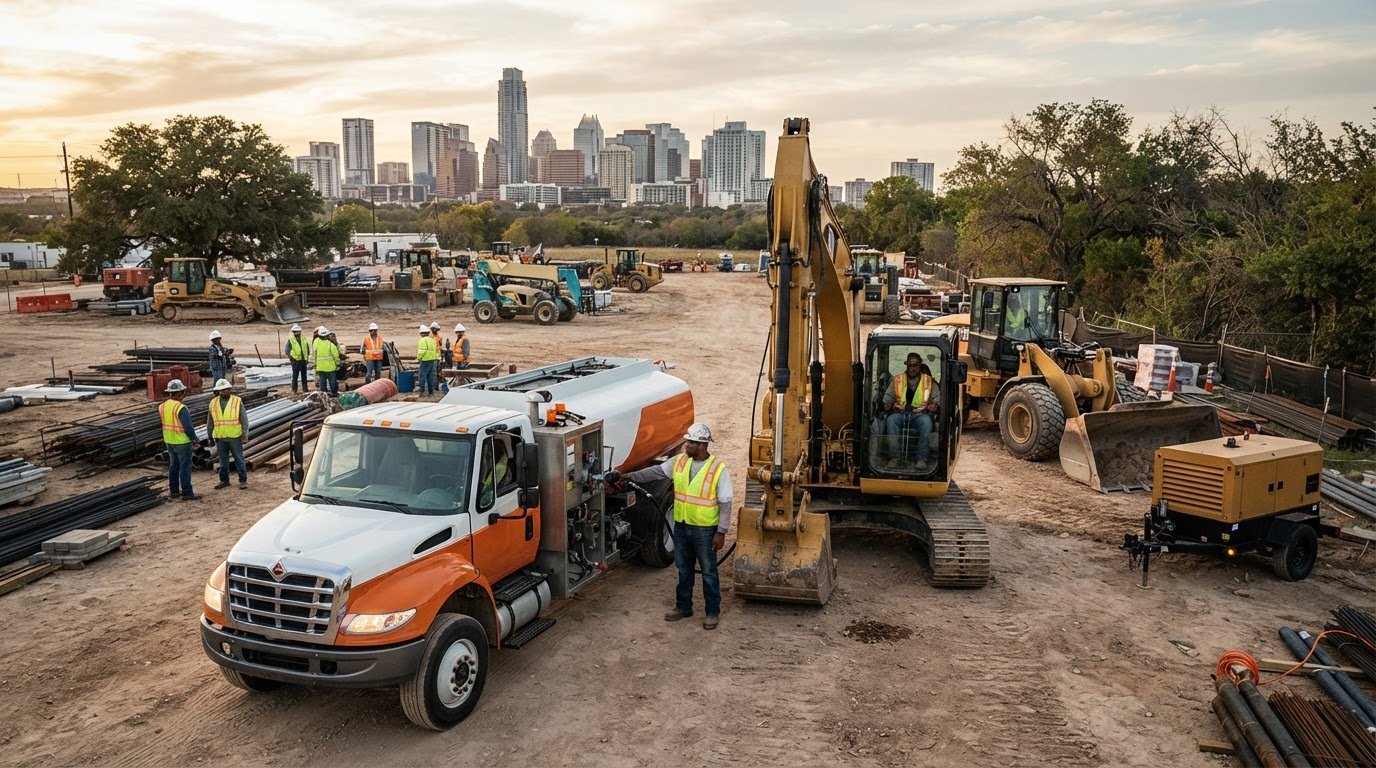
Fuel supports response vehicles and recovery equipment after storms, floods and power outages. In Magnolia, response teams can organize fueling around active assignments, vehicle staging and the equipment needed to keep recovery work moving.
First responders can lose time when drivers leave assigned routes to search for open fuel stations. Local traffic and disrupted access can slow travel, and a fuel stop diverts attention from emergency work. A Magnolia deployment plan should identify vehicle staging areas, priority routes and planned refueling points before crews mobilize.
Recovery teams may also rely on generators and machinery to clear debris or support site operations. Assign each asset a priority and identify who can authorize refueling. For example, a crew working at a blocked access road can report its current staging location and equipment needs through one operations contact.
In Magnolia, storm deployment can affect access differently across worksites and response routes. Rather than assume every road or entrance remains usable, designate alternate access points and update dispatch when conditions change. A response plan covering Magnolia and nearby Houston operations can list each site separately, helping crews distinguish assignments and delivery destinations.
Organize disaster fueling around the work each team must perform. A general request may not explain whether fuel is for a response vehicle, recovery machine or generator. Separate priorities help operations staff coordinate assignments and direct drivers to the right equipment.
Before deployment, include these details in the response plan:
- Map assets: Record each vehicle, generator, and recovery machine with its current location and fuel type.
- Set priorities: Identify the vehicles and equipment supporting immediate response and essential recovery work.
- Plan access: Note staging areas, restricted roads, and alternate entrances for delivery trucks.
- Assign contacts: Name the operations lead who can authorize refueling and share location updates.
- Update assignments: Revise the asset list when crews or equipment move to another site.
For Magnolia response operations, equipment fueling is easier to coordinate when drivers and site contacts use the same current deployment information. If a crew relocates from a blocked road to a recovery site, report the new location, equipment and access route. That update helps dispatch align fueling with work underway and limit avoidable downtime.
Keep essential contact and asset details accessible during power outages. A printed deployment sheet can identify the operations lead, refueling locations and priority equipment when normal systems are unavailable. As storm conditions shift, crews can use these details to coordinate changes and keep response and recovery tasks moving across Magnolia sites.
Emergency fuel delivery for equipment outages and severe weather
A fuel interruption can stop a generator, recovery machine or essential site operation. For Magnolia facilities, an effective response plan connects severe weather or equipment failure with a clear request, safe access and prioritized delivery instructions.
Start by identifying the outage’s cause and the equipment affected. A generator running low needs a different response from a disabled tank or equipment that cannot operate. Record the equipment location, fuel type, current condition and the person authorized to coordinate access. These details help dispatch understand whether the request supports backup power, recovery work or another critical operation.
Severe weather can change routes and site conditions after a delivery request begins. Report flooded or blocked entrances, relocated equipment and updated access instructions as conditions change. For example, if a mobile generator moves from a building entrance to a cleared staging area, communicate the new fueling point before the truck arrives.
Natural disasters can also disrupt ordinary fuel access. During Hurricane Ida in 2021, two-thirds of gas stations in Baton Rouge and New Orleans were without fuel. For Magnolia planning, the practical takeaway is to identify critical equipment and delivery locations before severe weather, rather than relying only on retail access during a disruption.
Use a short incident checklist to turn an outage into an actionable request:
- Identify the failure: State whether the issue involves low fuel, a generator, or other equipment.
- Confirm the fuel: Match the requested fuel type to the equipment’s operating requirements.
- Locate the asset: Give the current address, access point, and safe route to the fueling area.
- Set priority: Explain which operation depends on the equipment and what work is affected.
- Name a contact: Assign someone on site to provide access and relay changing conditions.
For an equipment outage, separate the immediate fueling need from any mechanical problem. Fuel delivery addresses a supply need, but it does not repair a generator or resolve a separate equipment fault. This distinction helps operations teams assign the right response and avoid delaying troubleshooting while coordinating fuel.
Keep the response plan current as facilities, equipment and access routes change. Before severe weather, review the asset list and contact details with operations staff. During an incident, report changes promptly and give dispatch one current delivery location per asset. This keeps requests specific and supports coordinated recovery across Magnolia sites.
React Fueling: Diesel Delivery
React Fueling provides diesel delivery and fueling support for commercial equipment and generators. Magnolia businesses planning for outages can use these services to supply diesel-powered equipment, while fleets and job sites can arrange fuel around operational needs.
For a fixed backup generator, React Fueling’s Generator Fueling Service meets on-site generator fuel needs. Equipment Fueling Service supports machinery at commercial and industrial sites. Share the equipment type, fuel requirement, site location and access instructions when arranging service so the request reflects the operation’s needs.
For emergency planning or a current commercial fueling need, contact React Fueling to discuss your site requirements.
Put Your Fuel Readiness Plan Into Action
Preparedness works best when fuel planning is part of routine operations, not a task left until severe weather threatens. Magnolia organizations can assign responsibility for keeping their continuity plan current and include fuel requirements in equipment and site planning. That gives operations teams a clear starting point when conditions change.
For rapid response fuel delivery for emergencies in Magnolia, React Fueling offers Diesel Delivery, Equipment Fueling Service and Fuel Delivery. These services support commercial fuel needs for equipment and operations. Share your site and equipment requirements with React Fueling to plan the next step.
Contact React Fueling about emergency fuel needs to discuss your operation and prepare for the demands ahead. A practical plan helps your team move forward with focus.
Frequently Asked Questions
What Is Emergency Fuel Delivery?
Emergency fuel delivery brings fuel to a commercial site or equipment when an urgent need disrupts normal replenishment. In Magnolia, a facility might request delivery for a generator during a power outage or equipment supporting recovery work. The service supplies fuel; it does not repair a generator, restore grid power or resolve a separate mechanical problem. Identify the affected operation so the request can be directed appropriately.
What types of fuel can be delivered to Magnolia in an emergency?
Emergency fuel delivery in Magnolia can include gasoline or diesel, depending on the equipment and service requested. Match the fuel to the engine or generator’s requirements rather than choosing based on availability alone. React Fueling also offers DEF fluid delivery for trucks and equipment, but DEF is not a fuel. Clearly distinguish a fuel request from a DEF replenishment request when coordinating commercial vehicle or equipment needs.
Are emergency fuel delivery services available 24/7 in Magnolia?
React Fueling states that emergency fueling is available 24/7. Around-the-clock service is relevant when an outage or urgent equipment need occurs outside regular business hours. It doesn’t mean every request has the same arrival time; conditions such as location, road access, and the details of the request affect dispatch planning. For a Magnolia site, provide a reachable contact who can share access updates if conditions change.
What information is needed to request emergency fuel delivery in Magnolia?
Provide the Magnolia site address, the equipment needing fuel, its required fuel type and the amount requested or tank level. Include a site contact’s name and phone number, plus directions to the fueling point. For example, distinguish a generator behind a secured gate from equipment near the main entrance. Mention blocked roads, restricted access or a relocated asset so dispatch has current details.
What backup options are available if emergency fuel delivery is delayed in Magnolia?
Use an established site continuity plan while coordinating fuel. If the facility has an on-site reserve, identify its location and track how it is allocated to priority equipment. React Fueling offers portable fuel tank rentals for planned on-site storage. Teams can also prioritize essential loads and defer noncritical equipment use under their operating procedures. Keep the site contact informed as needs or access conditions change.