A refrigerated trailer can’t wait for a convenient fueling window. In San Antonio, overnight and weekend diesel delivery depends on the service schedule, so plan fueling around the trailer’s operating needs rather than assuming a specific delivery time. Refrigerated trailer fueling services in San Antonio help keep fuel planning connected to the work the trailer needs to perform.
Fueling a refrigerated trailer involves more than arranging a drop-off. The delivery location, truck access, fuel requirements, and timing all shape the service plan. Sharing clear details about the trailer and site helps prepare for an efficient visit and supports operations on site.
This article explains what refrigerated trailer fueling involves, what affects scheduling, and what information helps coordinate service. It also explains how commercial diesel delivery can fuel a trailer at its operating location, helping you plan the next step.
Night and weekend diesel delivery in San Antonio?
For refrigerated trailer fueling services in San Antonio, night or weekend delivery requires an agreed arrival window, an accessible site, and dispatch coordination. The time of day alone does not determine whether a truck can reach a specific location. Share the trailer’s address, access instructions, and operating schedule so delivery can be planned around the site.
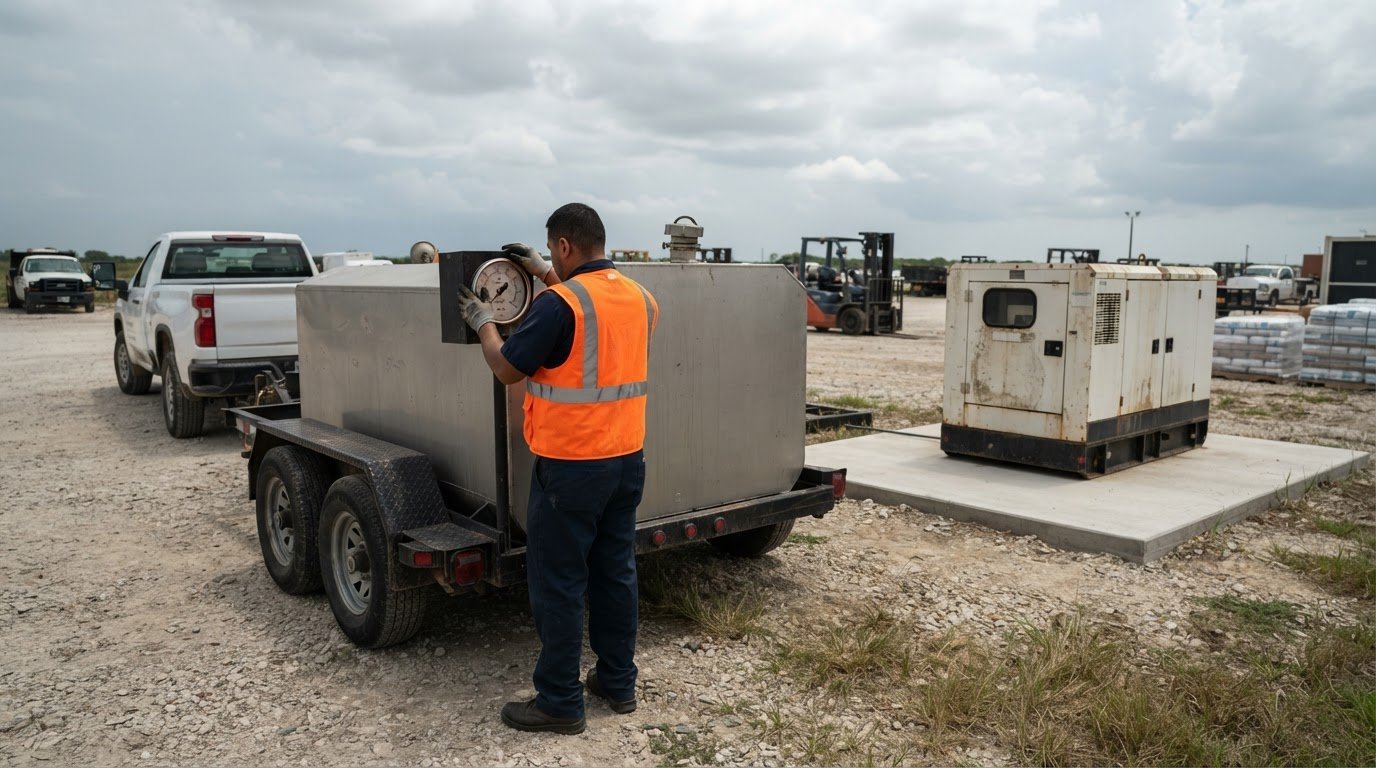
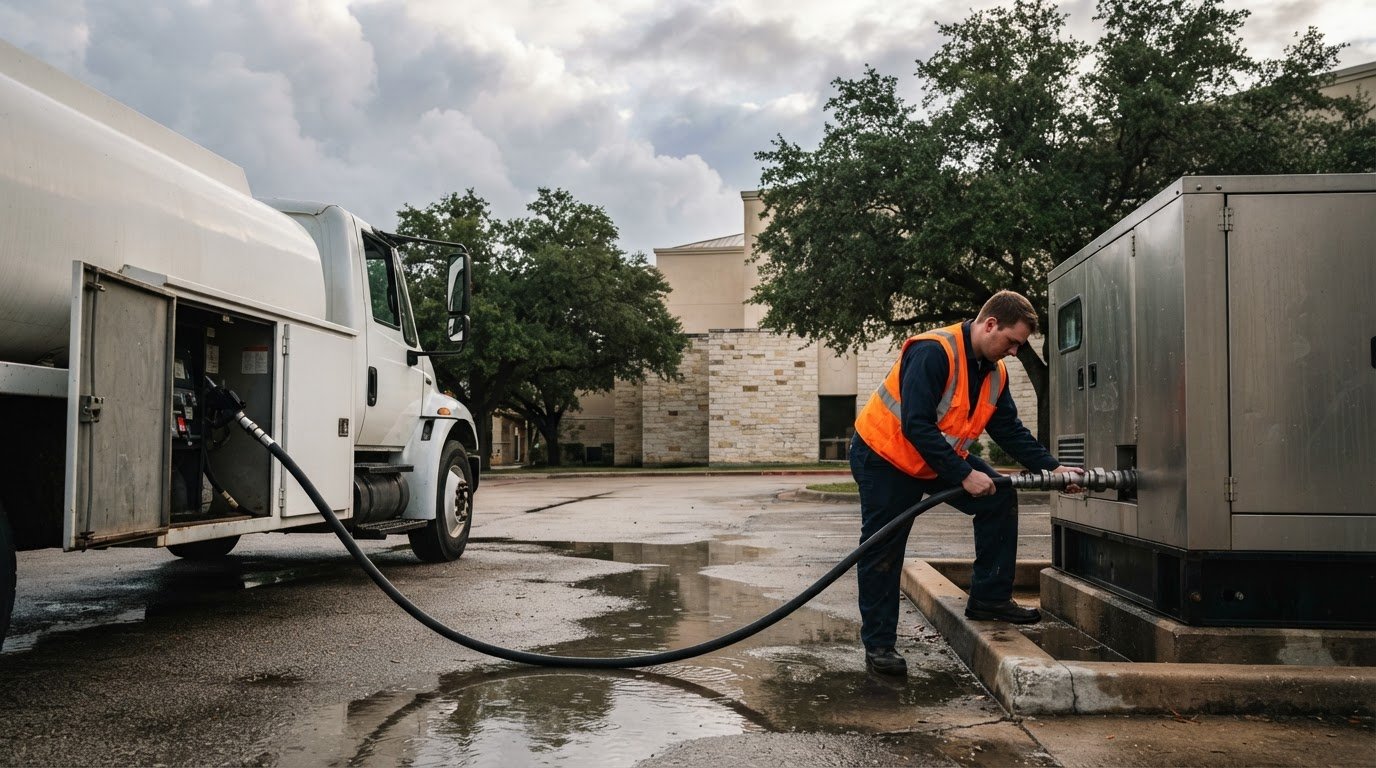
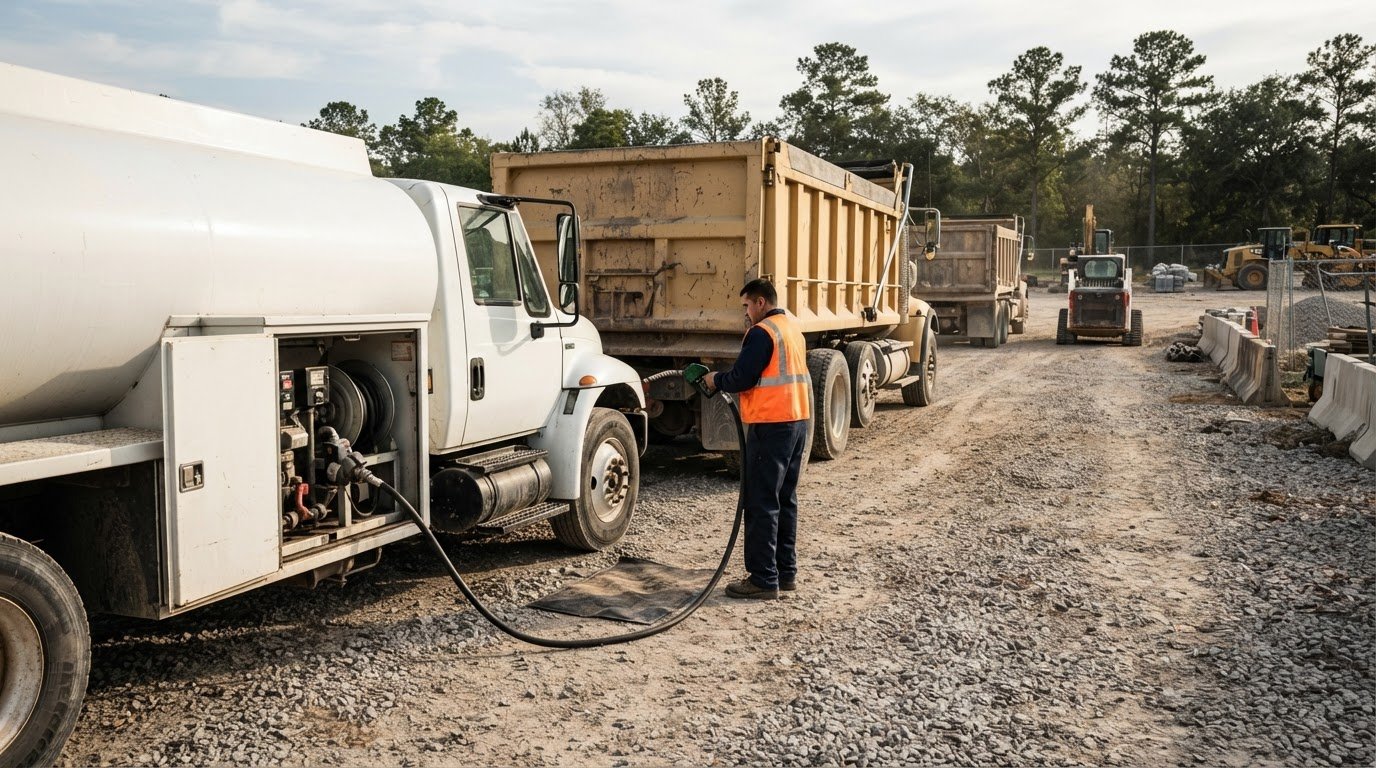
Mobile fueling in Texas requires practical safeguards at every stop: prevent spills, control fire risks, keep truck access clear, and follow site emergency procedures. Before fueling, the crew must account for drains, nearby work, and the trailer’s position. These steps help protect the work area and support an orderly delivery, while recognizing that every site has its own layout.
San Antonio and nearby areas have varied delivery settings, from commercial yards to active work sites. A street address alone may not show where a truck should enter or park. A useful dispatch plan identifies the gate, safe approach, trailer position, and access limits. A trailer in a secured yard may require gate instructions, while a roadside work zone needs a clearly marked stopping point.
Planning delivery across South-Central Texas depends on the specific location and route, not just a broad regional label. For a site outside central San Antonio, the address helps establish the route and arrival plan. Include the trailer’s location, requested delivery window, fuel requirement, and site contact. These details help dispatch organize a truck trip across the region.
For commercial fueling logistics, commercial fuel service planning connects the delivery request with the location and operating need. A refrigerated trailer at a distribution yard may have different access arrangements from one staged at a temporary site. Identify which trailer needs fuel and where it is parked, especially when a site has multiple trucks or equipment units.
- Location: Provide the San Antonio-area street address and the gate or entrance used by delivery trucks.
- Access: Describe parking limits, site restrictions, and the route to the trailer.
- Timing: State the requested night or weekend window and the trailer’s operating schedule.
- Fueling details: Identify the unit and its fuel requirement so dispatch can plan the stop.
Clear details help prevent avoidable delays at San Antonio sites and align delivery with the trailer’s work schedule. For locations around the city and across South-Central Texas, an accurate address and access instructions are especially important for route planning.
Emergency fueling availability and response
An urgent fuel request starts with the trailer’s exact location and operating status. In San Antonio, dispatch needs to know whether the unit is at a distribution yard, loading area, or temporary staging site. The location affects truck access, the route to the trailer, and coordination with the site contact. Precise directions can prevent delays while searching a large property.
For refrigerated trailer fueling services, the response plan should account for the delivery and the refrigeration unit’s fuel needs. Share the trailer identifier, required fuel, and whether the unit is operating. If several trailers are parked together, identify the right one by its fleet number or position. These details help direct the delivery to the intended equipment.
Urgency still calls for a clear handoff. A site contact should be available to explain gate access, parking restrictions, and active loading. At a San Antonio warehouse, for example, trucks may need to avoid a busy dock lane or use a designated gate. Sharing instructions early helps the driver reach the trailer without disrupting nearby work.
Response timing depends on the request, delivery location, route conditions, and site access. A trailer near central San Antonio may require different routing than one at a more distant South-Central Texas location. Share the required delivery window and any operational deadline. A specific time requirement gives dispatch useful context without assuming every urgent request follows the same schedule.
- Identify the equipment: Give the trailer’s fleet number, location, and fuel requirement.
- Explain the urgency: State whether the refrigeration unit is operating and when fuel is needed.
- Provide access details: Share the gate, safe parking point, and site contact.
- Flag site activity: Note active loading, restricted areas, or other truck movements.
When an urgent situation requires a delivery plan, clear information helps organize emergency fuel delivery around the trailer and site. If the need is developing, rather than immediate, an operating schedule and fuel-use pattern can help prevent the next interruption. For a current trailer issue, send the location and fueling details so the request can be directed appropriately.
Emergency fueling decisions can also sit within a broader response plan when refrigerated trailers are serving an urgent community need. Each refrigerated trailer acquired for San Antonio's COVID-19 response can hold between 24 and 36 bodies. That capacity makes it important to identify the specific trailer, confirm its location, and tell dispatch whether its refrigeration unit is operating. Clear details help distinguish an immediate equipment concern from a request that can be coordinated with other site activity.
For a sensitive operation, keep the fueling handoff direct and focused on the information needed to reach the equipment safely. Confirm who can meet the driver, where the trailer is parked, and whether access or loading conditions have changed. If the refrigeration unit is no longer operating, say so when requesting service. Clear details help dispatch plan without relying on assumptions about the trailer or site.
On-site reefer trailer fueling
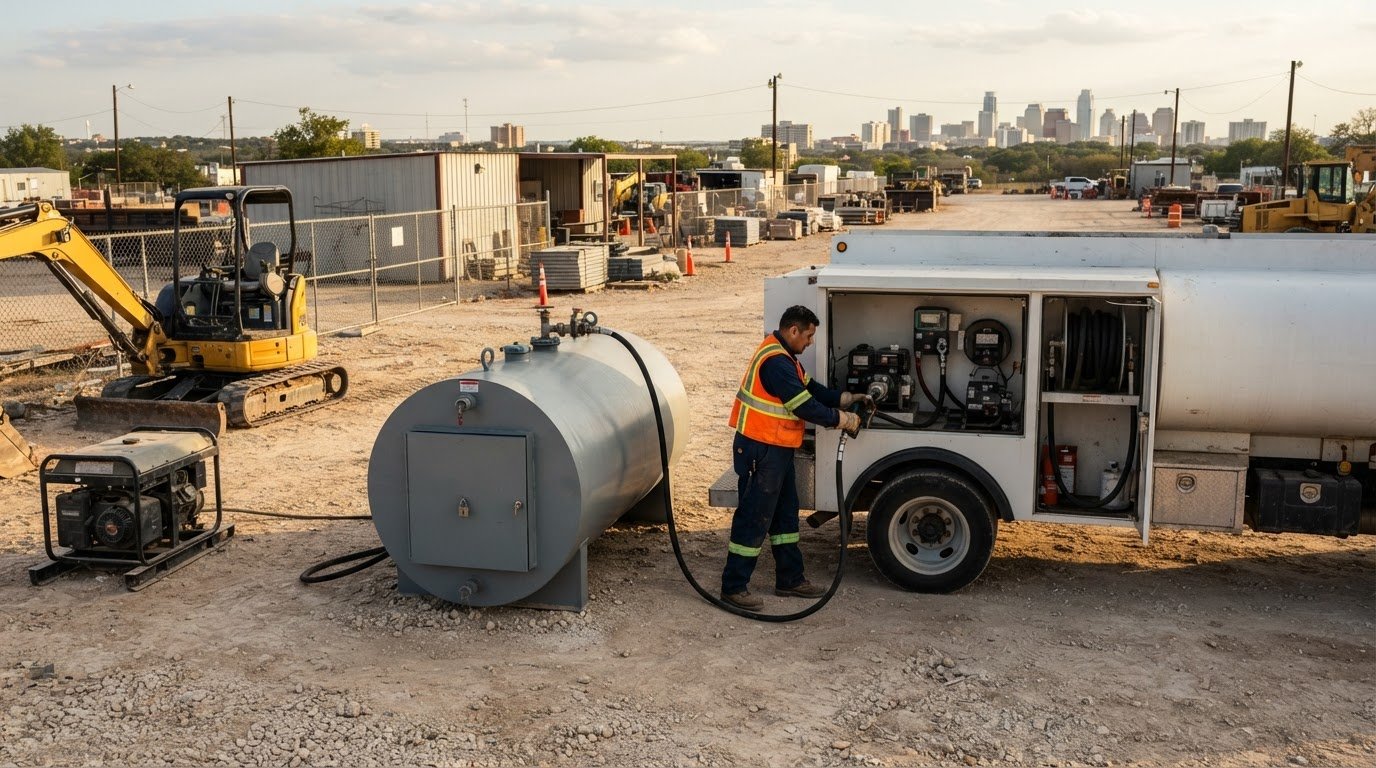
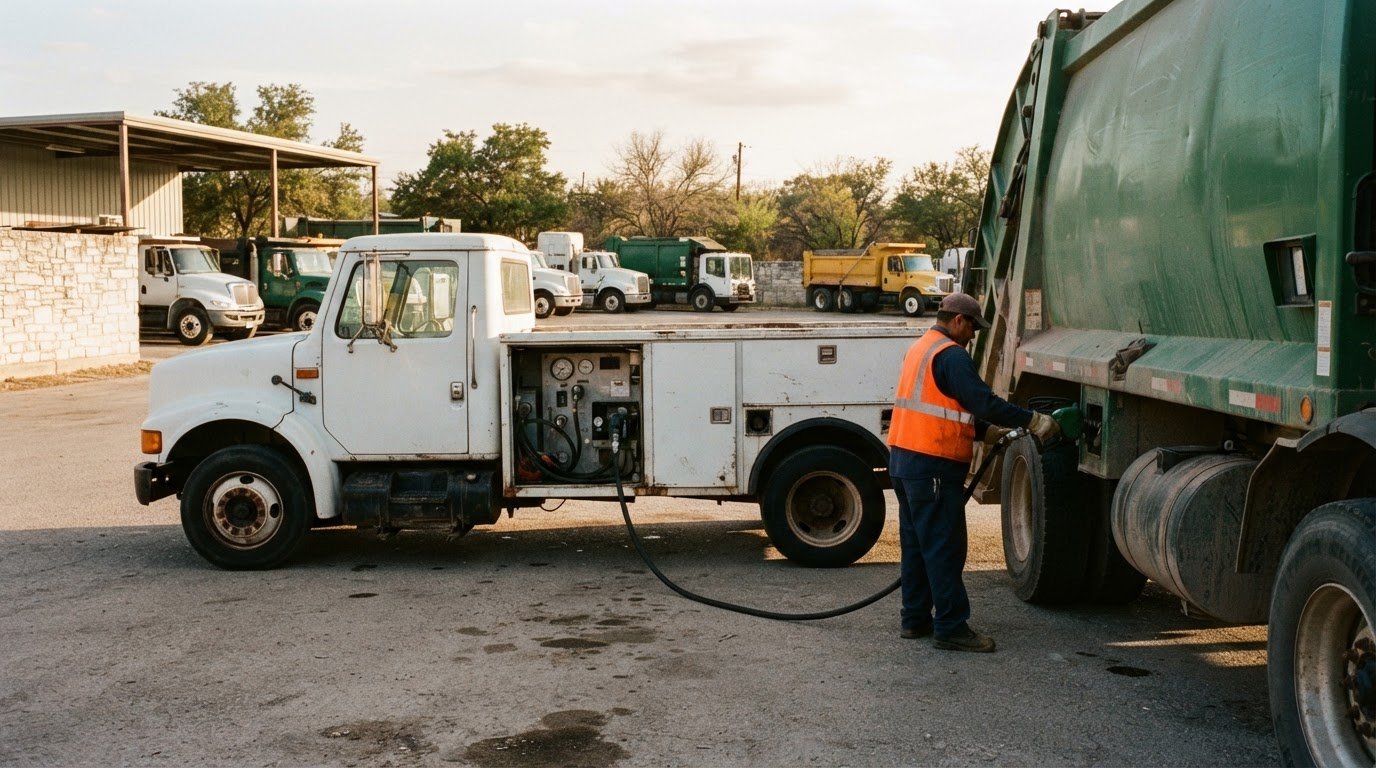
On-site fueling brings diesel to a refrigerated trailer at a San Antonio yard, warehouse, or staging area. A truck-stop visit requires moving the trailer to a fixed fueling location. The practical difference is where fueling takes place: at the trailer’s work site or along its route.
Reefer systems may use diesel-powered refrigeration units or electric standby power, depending on the equipment. A diesel reefer needs the appropriate fuel supply for its refrigeration unit, while an electric standby unit needs a compatible power connection. Since “electric charging” can refer to different equipment, identify the unit’s power arrangement before scheduling.
Fueling supports the refrigeration unit’s operation, while temperature control depends on the unit and its settings. A trailer carrying temperature-sensitive freight, for example, may need uninterrupted refrigeration during loading or while parked. Tell the fueling team whether the unit is running and whether the trailer must stay in a particular position during service.
For refrigerated trailer fueling services in San Antonio, scheduling details should include the delivery location, trailer, fuel requirement, and preferred time window. Provide a fleet or unit number, gate instructions, parking position, and site contact. If several trailers are staged together, identify the right unit by its marked number or row.
Truck stops and mobile fueling meet different needs around San Antonio. A fixed stop may suit a trailer already passing that location, while mobile delivery can fuel a trailer where it is parked. Truck-stop hours and reefer-fuel availability depend on the specific location; mobile service timing depends on the delivery plan and site access.
- Location: Give the San Antonio address and entrance or gate details.
- Equipment: Identify the reefer unit and whether it uses diesel or electric standby.
- Fueling need: State the fuel type and whether the refrigeration unit is operating.
- Site coordination: Share the trailer’s position, access limits, contact person, and requested window.
These details help coordinate delivery and distinguish tractor fuel from reefer-unit fuel. A tractor and its refrigerated trailer may have separate fueling needs, even when parked together. Providing the trailer’s unit information directs service to the intended equipment and helps align fueling with the site’s loading schedule.
Mobile fleet fueling
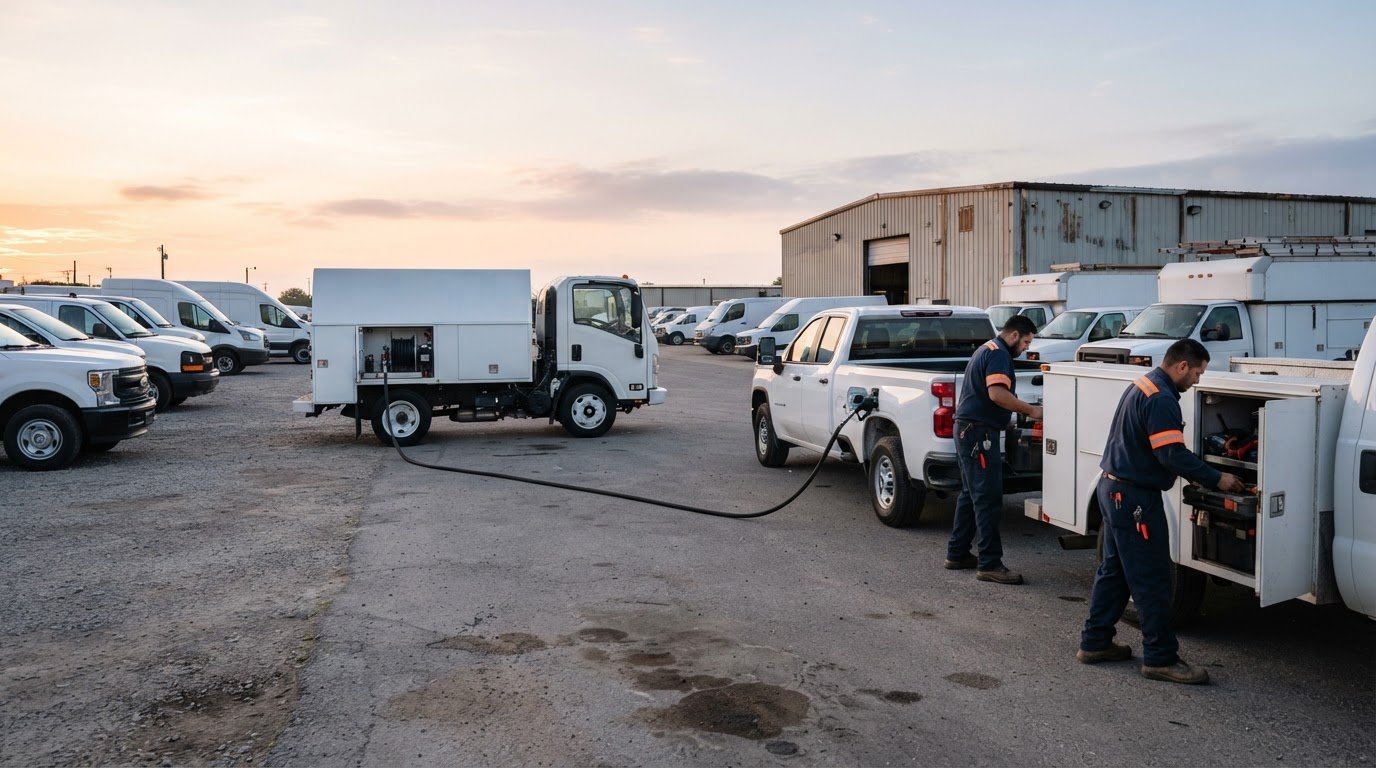
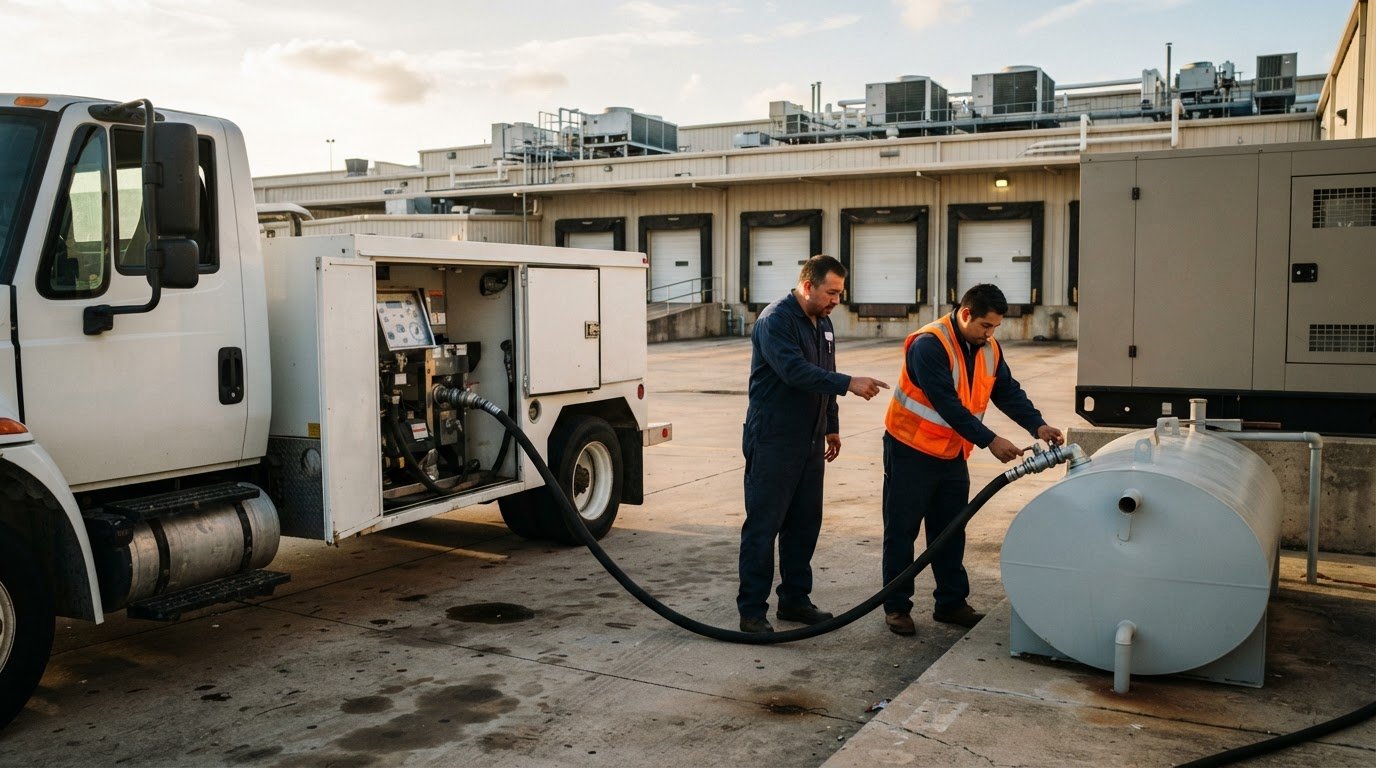
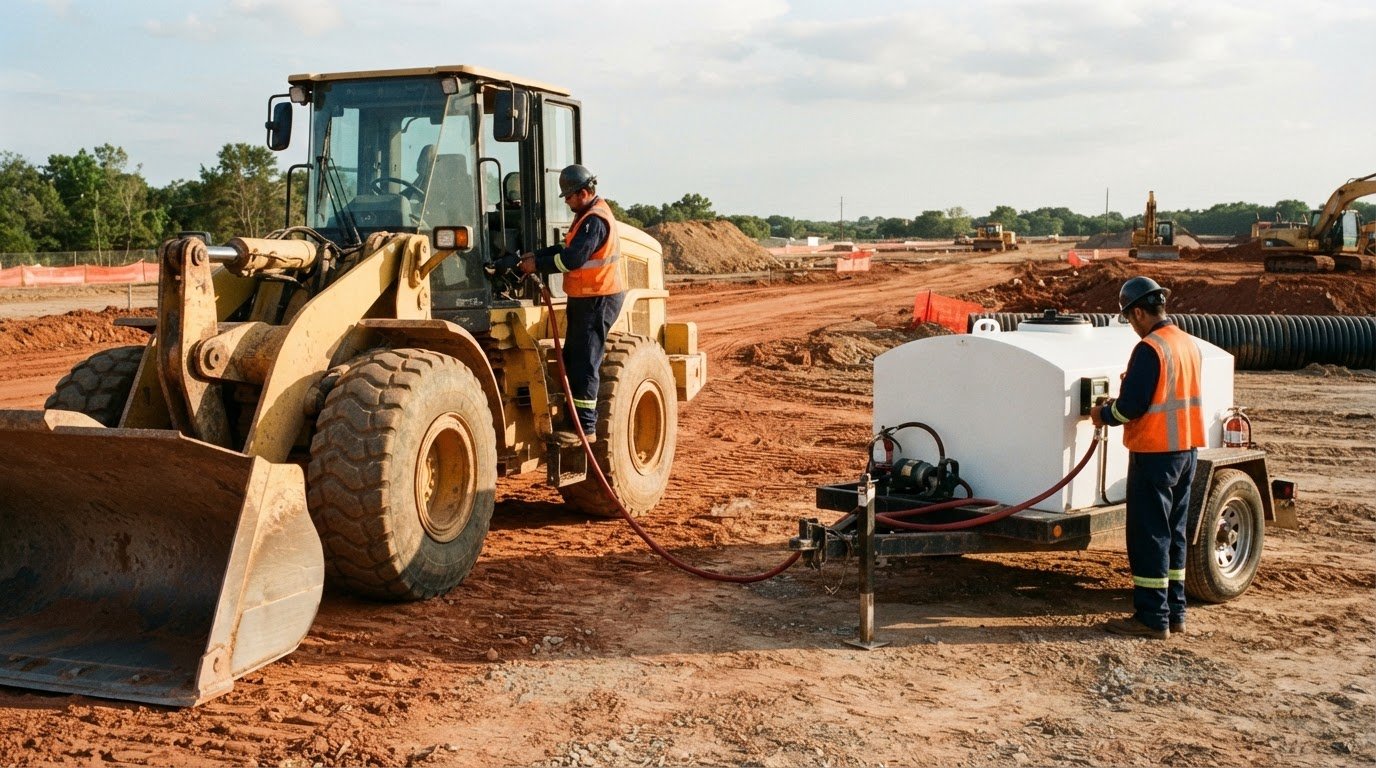
Mobile fleet fueling brings fuel to vehicles and equipment at their operating location. In San Antonio, a fleet may include refrigerated trailers, tractors, and stationary equipment at one yard. Coordinated delivery can reduce separate trips to fueling locations and align the fueling plan with site logistics.
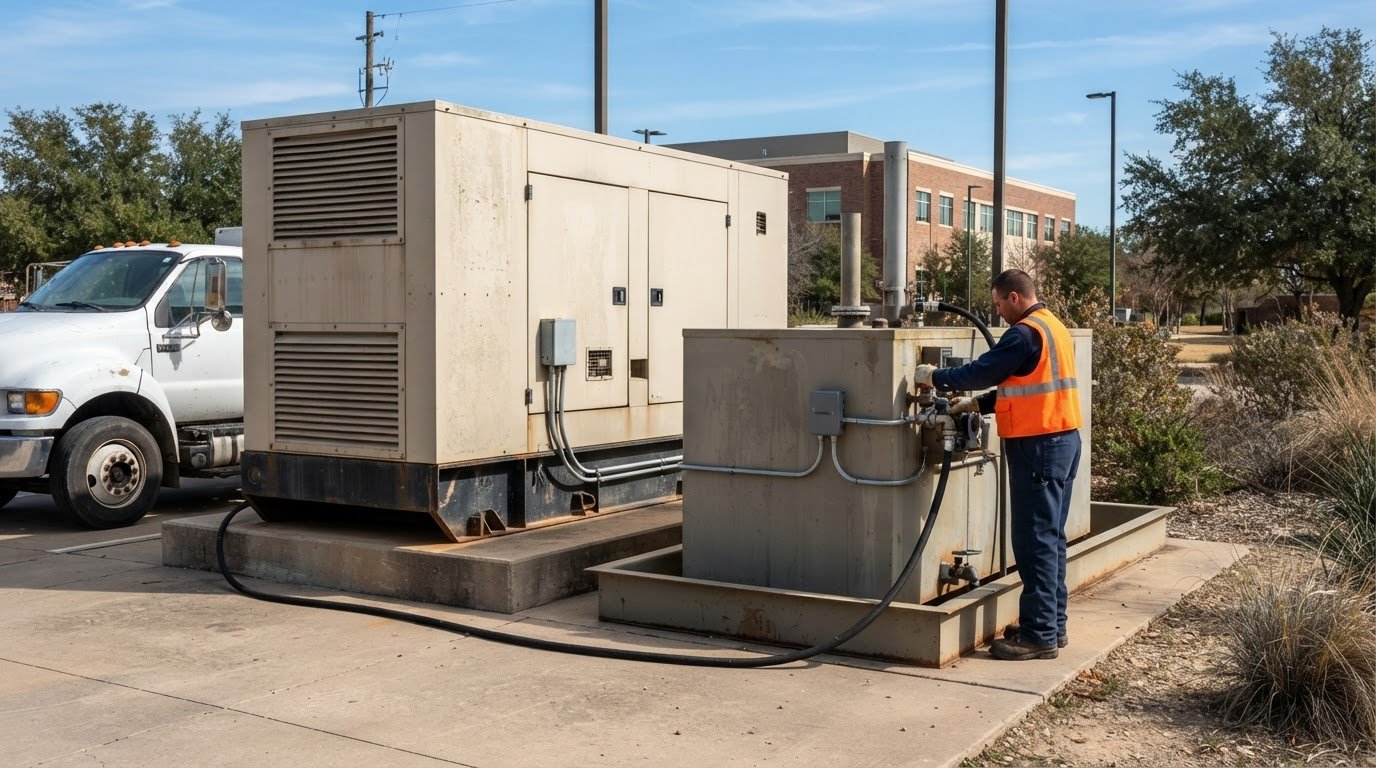
For a mixed fleet, the fueling team needs to identify each unit and its requirements. A refrigerated trailer’s refrigeration unit may need fuel separately from its tractor, and a nearby generator has its own fueling point. Identifying each asset by fleet number, trailer mark, or position helps direct delivery accurately across the San Antonio site.
A planned route through the yard helps keep each stop orderly. The fueling crew can follow a site layout or a clear sequence, such as starting with trailers near the entrance and then moving toward equipment at the rear. This reduces unnecessary vehicle movement and helps staff coordinate fueling with loading or dispatch activity.
Mobile fueling also changes how fleet managers organize requests. Rather than sending each truck to a fixed stop, they can group units by location and operating schedule. Trailers staged at a San Antonio warehouse, for example, can be grouped for a planned visit, while a unit at another site follows a separate route.
Good coordination starts with a useful fleet list. Include each unit’s identifier, exact parking location, fuel requirement, preferred service window, and access instructions. If the site has several entrances, specify the one suitable for delivery trucks. Note active loading zones and restricted areas so the crew can plan an approach that fits the property.
- Group assets by site: Separate San Antonio yard units from equipment at other locations.
- Identify each unit: Use a fleet number, trailer mark, or clear position description.
- Set a practical sequence: Arrange fueling around access routes and work activity.
- Coordinate timing: Align the visit with dispatch, loading, and equipment schedules.
Keep fleet information current when trailers move between yards or assignments. A trailer relocated after dispatch may no longer be at its planned parking position. Updating the delivery location and site instructions helps match the route to the equipment’s actual location.
For refrigerated trailer fueling services in San Antonio, mobile fleet planning connects each trailer’s needs with the wider operation. A clear asset list and site sequence help organize deliveries across multiple units. Separate instructions for tractors, reefer units, and generators keep each request specific.
Which companies in San Antonio provide fueling services for refrigerated trailers?
In San Antonio, commercial mobile fueling providers can deliver diesel to equipment at its operating location. Unlike a truck stop, where the trailer must travel to a fixed fueling site, mobile delivery can serve a trailer parked at a warehouse or distribution yard and fit the site’s work schedule.
The key distinction is whether the provider can coordinate delivery to the reefer unit itself. A tractor’s fuel tank and a trailer’s refrigeration unit may have separate fueling needs. Identifying the trailer by its fleet number helps avoid directing fuel to the wrong vehicle in a crowded yard.
Service planning around San Antonio depends on the site and delivery request. A trailer behind a secured gate needs clear access instructions. A unit at a loading dock may need a plan that accounts for active freight movement. The requested time window and site contact also help coordinate the visit with local operations.
For refrigerated trailer fueling services in San Antonio, provide the trailer’s location, fuel requirement, unit identifier, and operating schedule. If the fleet includes several trailers, list each one separately. This helps dispatch distinguish a trailer at a warehouse from another unit assigned to a different yard.
- Equipment: Identify the reefer trailer and its fuel requirement, separate from tractor fueling.
- Location: Provide the San Antonio site address, entrance, and trailer parking position.
- Access: Include gate instructions, loading activity, and a site contact.
- Timing: State the requested delivery window and any operating deadline.
A provider’s service model matters as much as its location. Fixed truck stops serve vehicles that can travel to them; mobile delivery serves equipment parked at a work site. For a trailer that needs to remain staged, on-site fueling can avoid moving it solely to refuel. The right plan accounts for the reefer’s requirements and the site’s logistics.
Share the trailer’s San Antonio location, unit details, and requested fueling window to start coordinating a suitable delivery. Send refrigerated trailer fueling details so the request can be directed with the equipment and site information in view.
React Fueling
React Fueling helps San Antonio businesses coordinate commercial fueling for trailers, equipment, and generators at their operating locations. Its diesel delivery, equipment fueling, fuel delivery, and generator fueling services support fleets that need fueling coordinated with site operations.
Turn to React Fueling when a refrigerated trailer or other equipment needs scheduled delivery, or when fuel coordination affects daily operations. Share the site location, equipment details, fuel requirement, and preferred timing to give the request clear operational context.
Contact React Fueling to discuss fueling needs for your San Antonio operation.
Plan the next fueling window
Reliable refrigerated trailer fueling starts with making fuel planning part of the operating schedule rather than a last-minute disruption. For refrigerated trailer fueling services in San Antonio, align each request with the trailer’s location, work plan, and fuel requirement. This gives your operation a clear basis for coordinating delivery as equipment moves between assignments.
React Fueling provides diesel delivery, equipment fueling service, and fuel delivery for commercial operations. Share your fueling needs and site details to start a focused conversation about your operation.
Contact React Fueling to discuss service and take the next step toward a fueling plan that fits your work.
Frequently Asked Questions
How fast can you deliver fuel in an emergency?
React Fueling reports an average 4-hour response time across Texas, including San Antonio. That’s an average, not a guaranteed arrival time for every request. For an emergency, provide the exact site address, the fuel needed, and the equipment affected. For example, identify whether the request supports a refrigerated trailer, fleet vehicle, or generator so the delivery can be planned around the operational need.
Do San Antonio fuel providers offer mobile fueling at truck yards or customer locations?
Yes, commercial mobile fueling can deliver fuel to truck yards and customer locations in San Antonio. React Fueling provides on-site diesel and fuel delivery for commercial fleets and industrial operations. This service can help when vehicles or equipment are stationed at a yard, facility, or work site. Include the site address and access instructions with your request, especially if the delivery point is inside a secured facility.
Can San Antonio providers refuel trailers overnight or on weekends?
Emergency fueling is available 24/7 in San Antonio through React Fueling. Its diesel delivery also supports scheduled and urgent requests, while timing depends on the specific delivery plan. For an overnight or weekend emergency, share the location, fuel requirement, and site access details when requesting service. For planned fueling, include the preferred service window so the delivery can be coordinated with the trailer’s operating schedule.
What safety and environmental rules apply to mobile diesel fueling in Texas?
At every stop, crews should prevent spills, control fire risks, keep truck access clear, and follow site emergency procedures. Before fueling, they should also account for drains, nearby work, and the trailer’s location.