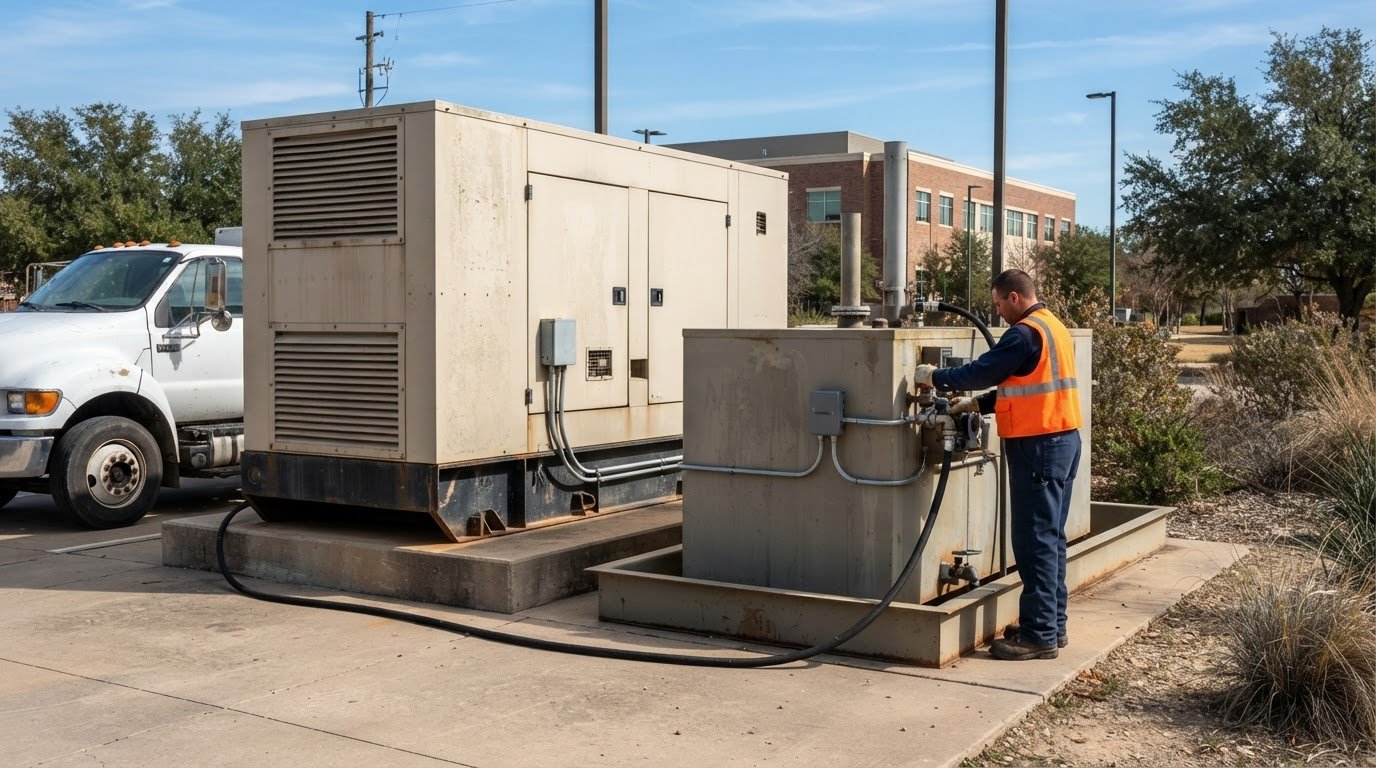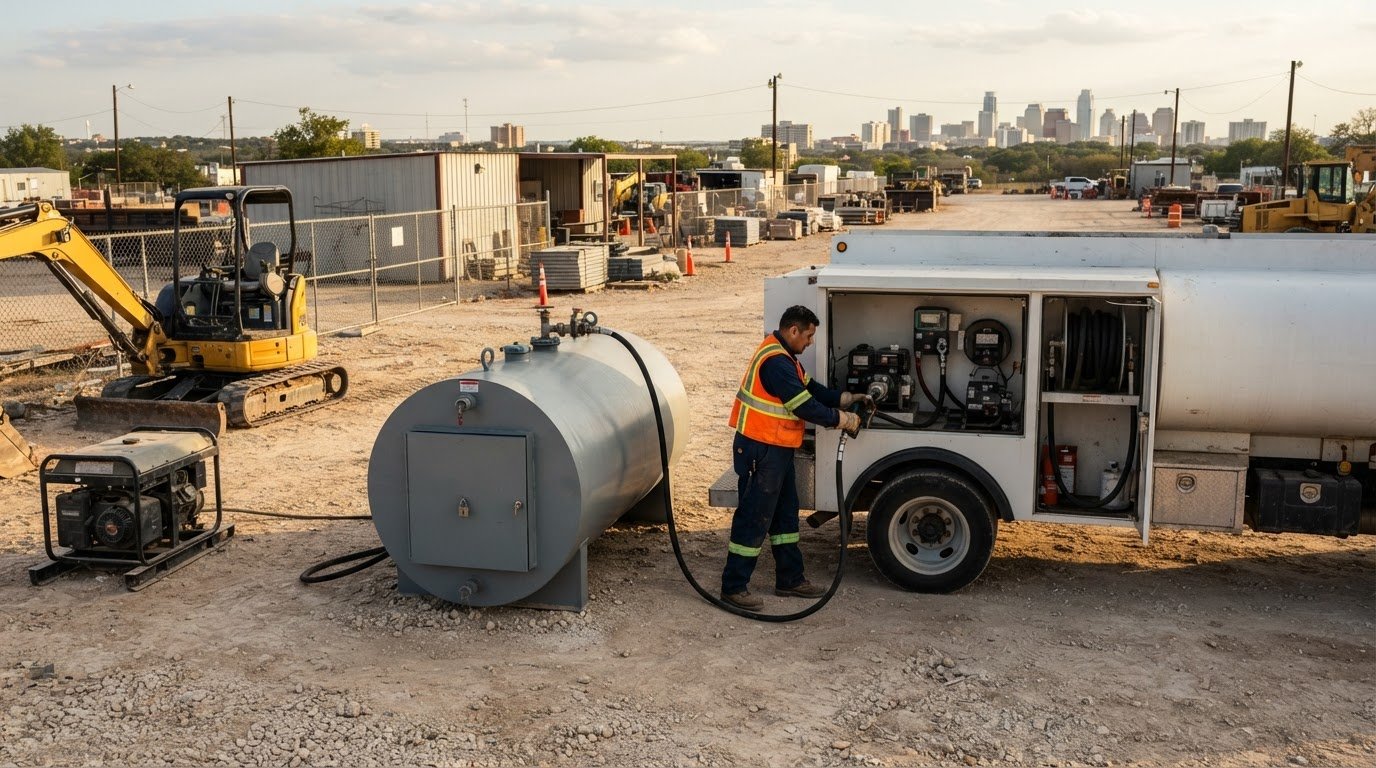
Fuel planning belongs in the project schedule, not in a last-minute scramble. Knowing how to avoid project delays from fuel shortages in Austin starts with forecasting site demand, scheduling replenishment before supplies run low, and tracking local distribution disruptions. A clear contingency plan helps keep equipment and generators running when demand or delivery conditions change.
It’s easy to focus first on crews, materials, and milestones, but fuel availability can affect all three. This guide explains how to avoid project delays from fuel shortages in Austin by matching supply plans to consumption and schedules, monitoring local alerts and transportation disruptions, and preparing for seasonal peaks or unexpected demand. You’ll also learn what information to prepare for on-site fueling, including site access, equipment needs, and changing work conditions. Earlier, coordinated planning helps keep projects moving.
Choosing an emergency fuel supplier for project continuity
- Set delivery requirements before a shortage disrupts transportation or site schedules. Match expected supply to the project’s fuel type, equipment, generator demand, and work plan. Provide the delivery address, entrance instructions, site contact, operating hours, and any access restrictions. Document how schedule changes and urgent requests will be communicated. These details help shape a practical delivery plan instead of relying on last-minute calls when equipment is already at risk of stopping.
- Build continuity around actual consumption, not guesswork. Track how quickly each machine and generator uses fuel during normal work, then account for shifts in workload, weather, and project phases. Update the plan as schedules change. A site moving from groundwork to heavier equipment use, for example, may need a different replenishment pattern. Identify which equipment must keep running if a disruption occurs, and make sure the delivery plan reflects those priorities.
- Agree on a clear process for interruptions. Keep delivery instructions and site contacts in an accessible project record, and identify who can approve a change to the delivery window. Establish how the site will communicate changes to access, demand, or operating hours. A consistent process reduces confusion among project managers, field crews, and dispatch, and connects fuel planning to the work schedule instead of treating each delivery as a separate task.
- Reduce avoidable household trips during a fuel disruption. Keep shelf-stable food and essential supplies available, coordinate necessary travel, and combine errands where practical. During possible shortages, households are advised to keep vehicle fuel tanks at least half full. Avoid panic buying and unsafe fuel storage. These measures can preserve transportation for essential needs while reducing unnecessary trips that compete with work and other critical travel.
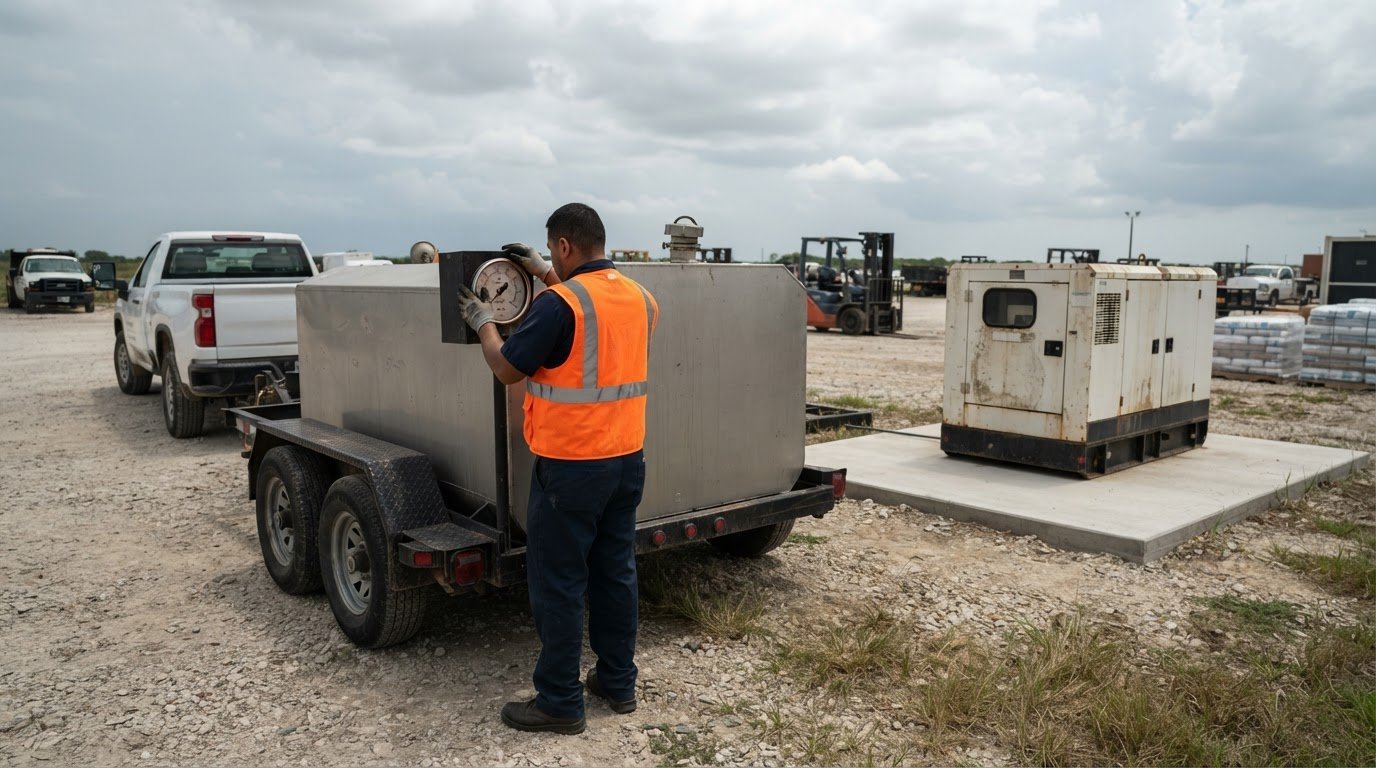
- Maintain vehicles and generators as part of the continuity plan. Regular upkeep helps vehicles operate efficiently, while a vehicle-use schedule can reveal avoidable trips and overlapping routes. For portable generators, the Occupational Safety and Health Administration recommends maintaining 3 to 4 feet of clearance on every side for airflow. Include equipment placement and routine maintenance in site planning. Clear space around a generator supports airflow, while maintained vehicles help crews use fuel more efficiently.
Arranging delivery with local fuel suppliers for project sites
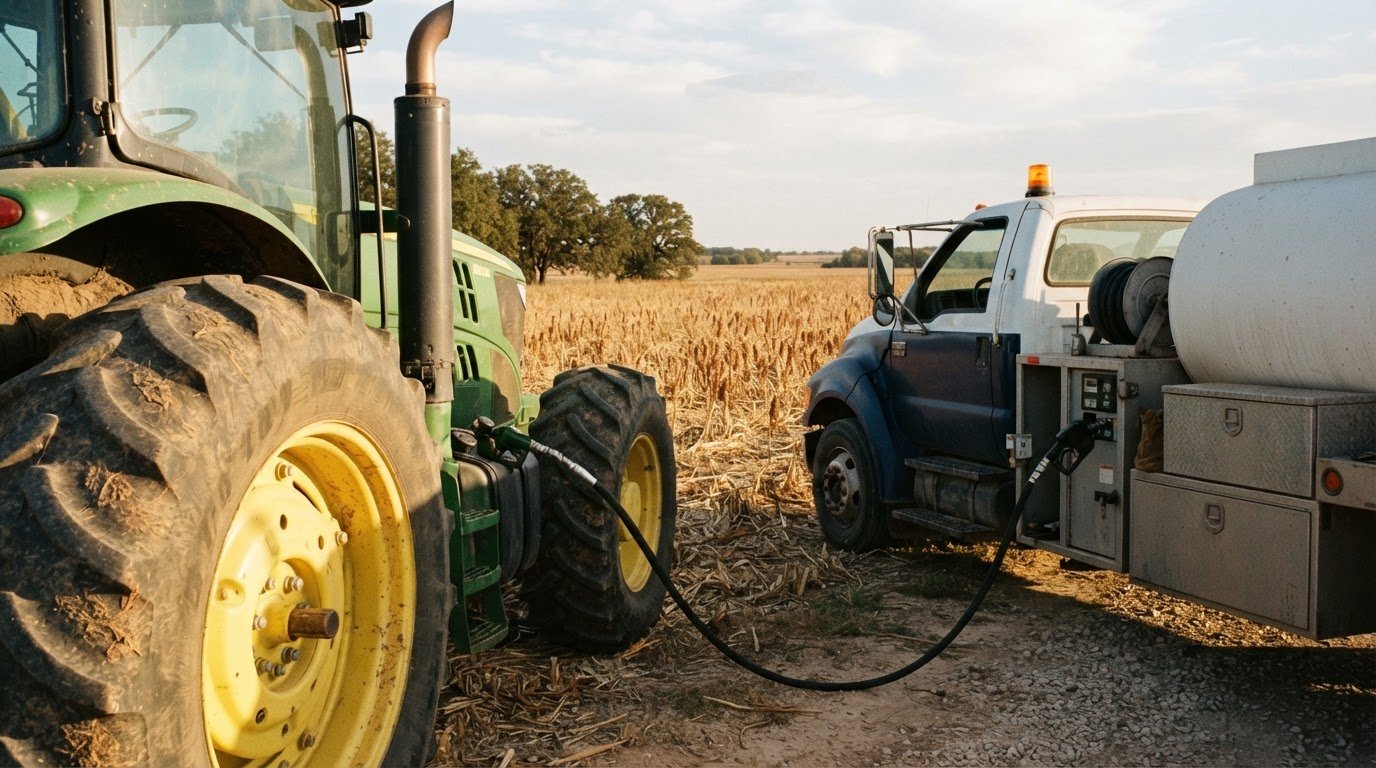
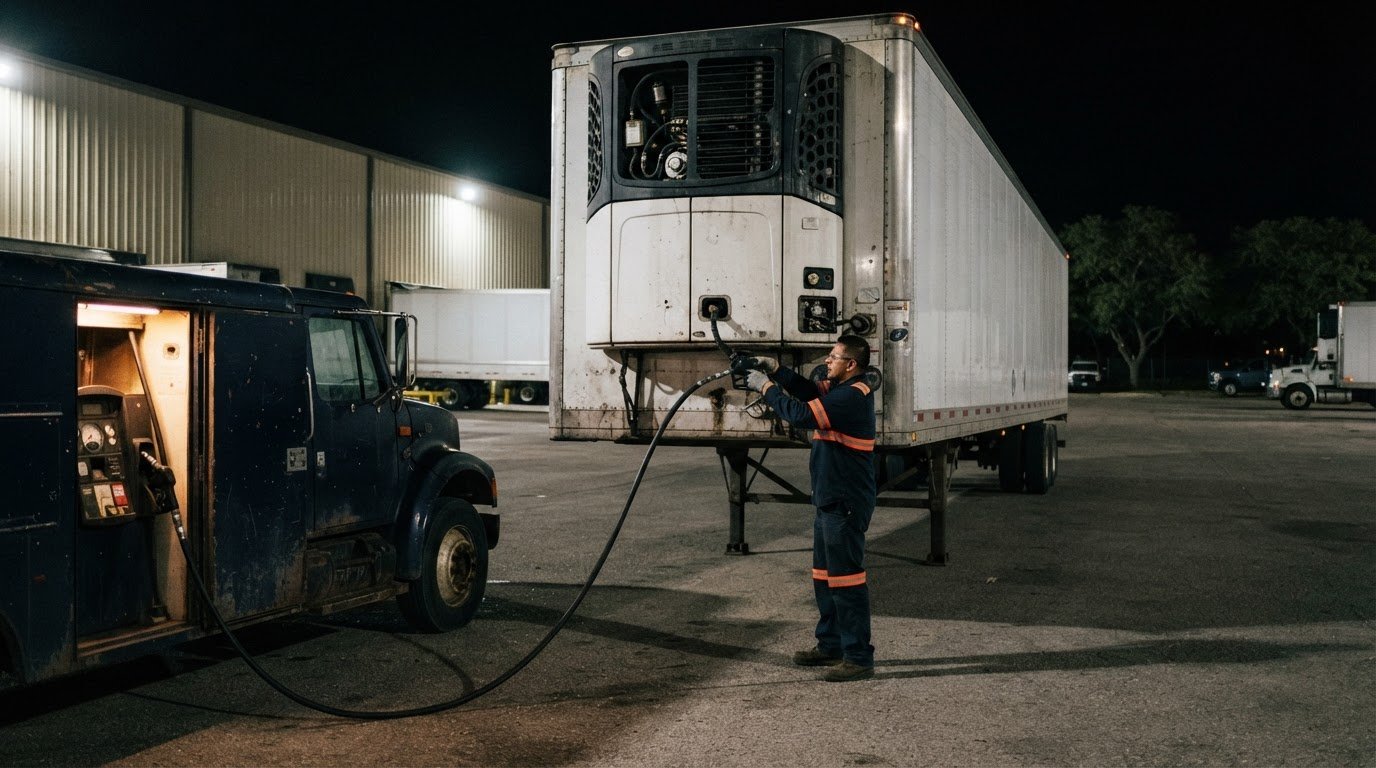
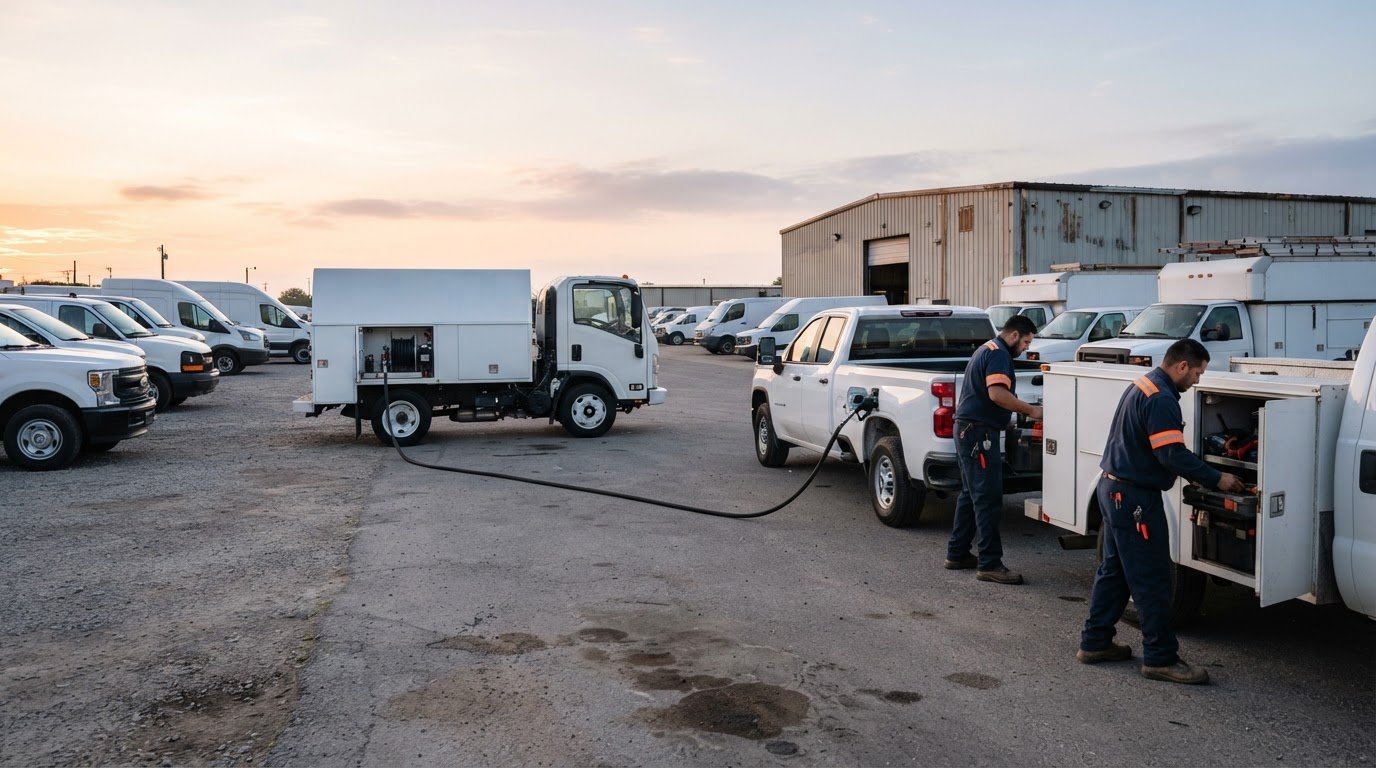
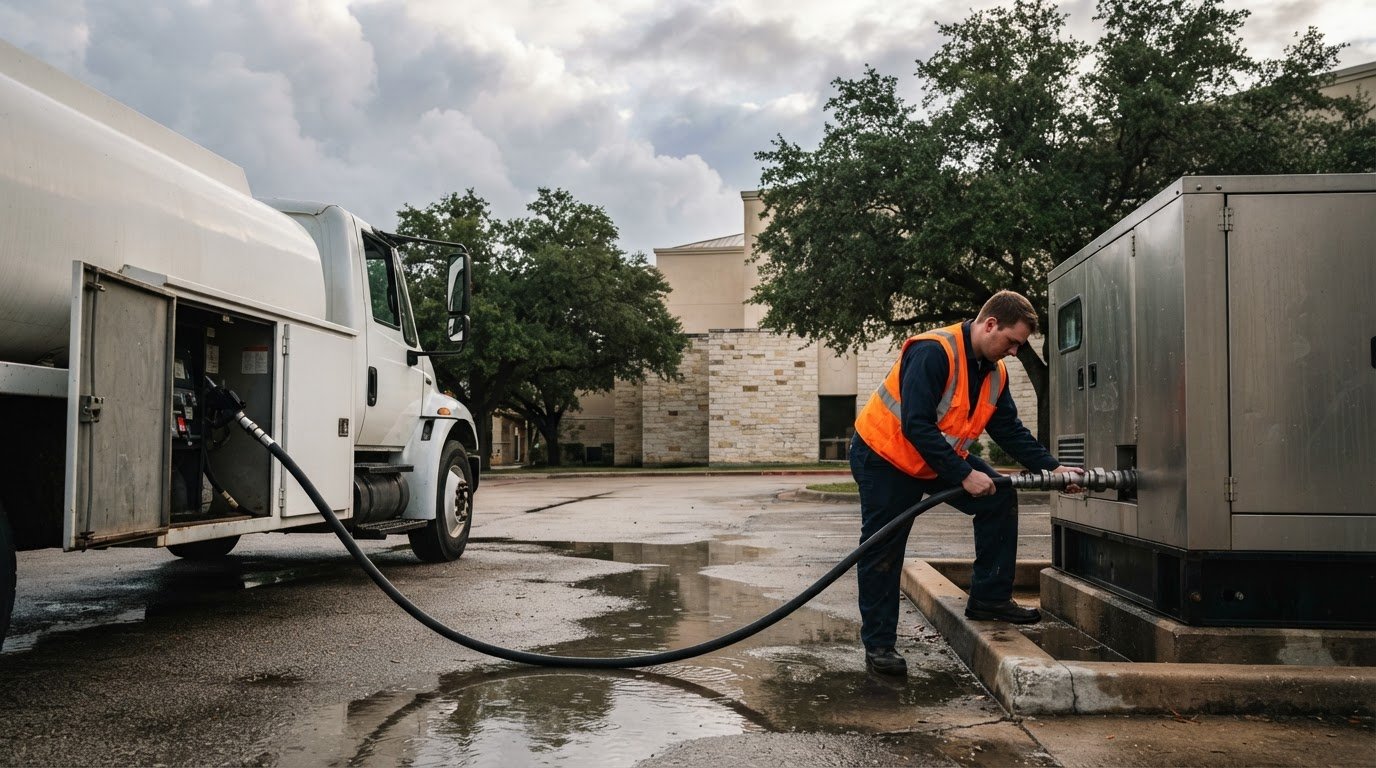
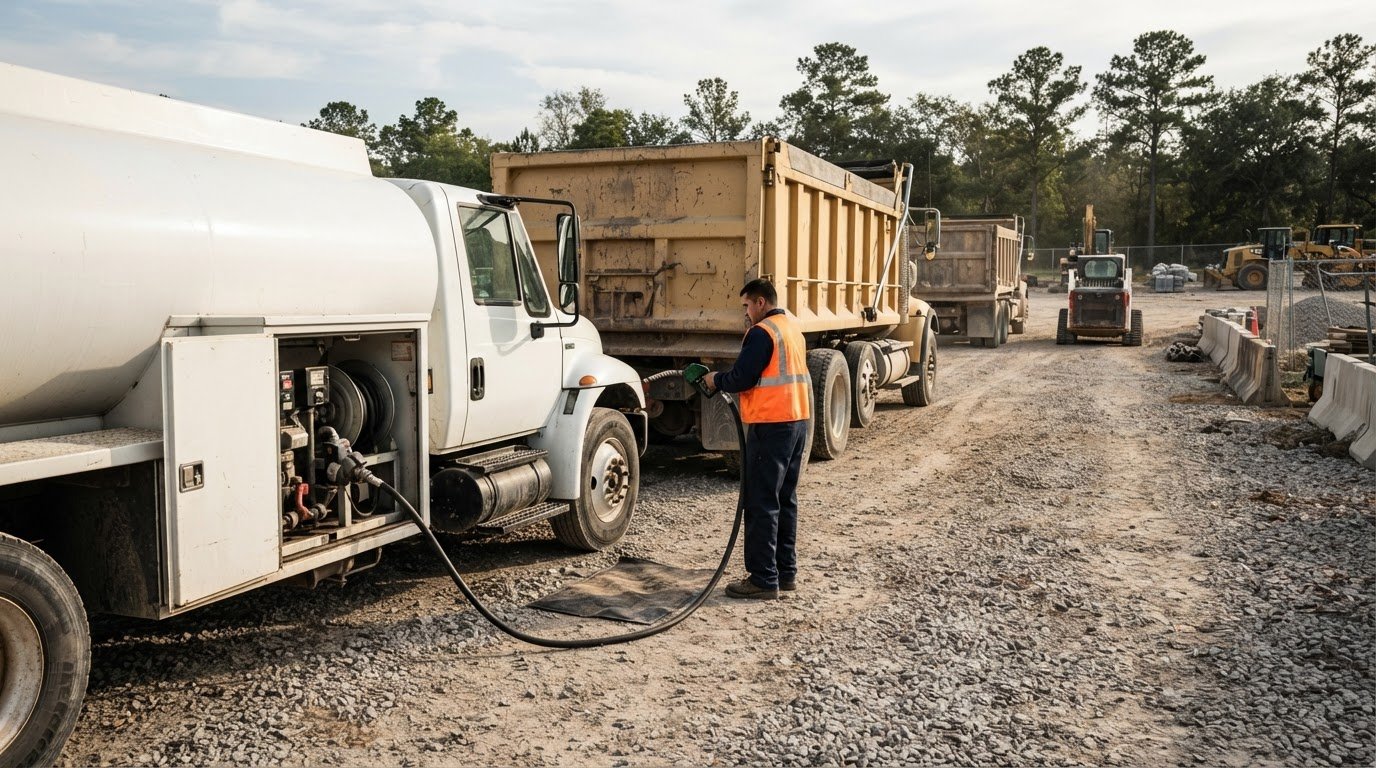
- Start by defining the delivery need for each project area. Identify the fuel type, equipment or vehicles involved, and the work each supply supports. A construction site may need diesel for machinery while a separate generator supports temporary operations. Businesses can arrange emergency fuel through a local gas station or mobile fuel supplier. Matching the request to actual site use helps keep delivery planning connected to work priorities and reduces avoidable coordination problems.
- Provide a precise site location and practical delivery instructions. Include the project address, preferred entrance, site contact, and any access limits that affect movement around the work area. For example, if a site has separate construction and staff entrances, specify which entrance the delivery vehicle should use. Share updates when traffic control, roadwork, or construction phases change the route. Clear directions help coordinate delivery with site conditions and direct fuel to the right work area.
- Explain the schedule and why you need the requested timing. Tell the supplier when equipment operates, when a generator supports essential work, and when the site can receive fuel. A delivery planned around a scheduled work shift may fit better than one arriving during shutdown or a busy changeover. Update the schedule as milestones move so fuel planning reflects current operations, not an outdated work plan.
- Describe expected demand and flag changes early. Share which machines or generators rely on delivery, whether their use is steady or varies by project phase, and what work could stop if fuel runs short. A shift from light site preparation to equipment-intensive work, for example, can change consumption. For Austin teams, avoiding project delays from fuel shortages starts with communicating changing needs before they affect the schedule.
- Set a clear process for urgent requests and routine updates. Identify who is authorized to communicate site changes, and keep delivery instructions in a shared project record. Explain how crews should report a changing need, such as adding a generator or extending operating hours. This handoff between project management and field teams helps prevent duplicate requests and gives the supplier one current set of instructions.
- Prepare delivery information before disruption occurs. Keep the site address, fuel needs, access notes, operating schedule, and project contact together. A second part of how to avoid project delays from fuel shortages in Austin is making those details easy to use when project conditions shift. If you’re coordinating delivery requirements for an Austin project, send your project details through the contact page. A complete request gives the delivery discussion a practical starting point.
Keep contingencies aligned with actual demand. Austin airport fuel service providers base the frequency and volume of fuel truck deliveries on flight-schedule demand. The planned new Austin airport fuel facility is expected to more than double the on-hand fuel supply. Austin also plans regular meetings with the contractor to help prevent similar construction setbacks.
At Austin events, generators with tanks over 10 gallons must be refueled when the public is not present. Households are advised to store approved fuel containers safely where local regulations allow and monitor news and local alerts for disruptions affecting fuel distribution.
How fuel suppliers respond to distribution disruptions and local alerts
- Monitor local alerts before a delivery becomes urgent. Check fuel-distribution updates, local news, and gas station websites for signs of supply disruption. Austin-Bergstrom International Airport recorded 12 fuel-shortage alerts so far that year, compared with one alert in 2020. An airport alert can indicate that a flight must divert elsewhere to refuel before landing in Austin. Treat alerts as an early signal to review project fuel needs and schedules.
- Set up transportation alerts that can reach the project team. Businesses can sign up for text or email notifications from their state transportation department about fuel shortages. Assign someone to review notices and share relevant updates with project management and site operations. If an alert affects a route used for deliveries, flag the change early. Sharing updates helps teams coordinate around the same disruption rather than relying on separate reports.
- Separate confirmed local impacts from general warnings. A fuel shortage alert may point to a distribution issue, but it doesn’t necessarily describe conditions at every Austin site. Compare the alert with local updates and information about the project’s delivery route. A disruption in one part of the city, for example, may matter less than a route change near the site. Use specific location details to focus your plan.
- Share relevant alerts and changing requirements with the supplier. Specify the affected site, fuel type, equipment that relies on it, and any changes to access or delivery timing. For a diesel-dependent work area, explain which machinery is essential and whether operations have changed. Keep the update concise and consistent. Clear information helps coordinate project priorities when distribution conditions disrupt normal delivery plans.
- Review delivery arrangements when local conditions shift. If an alert or route disruption affects site access, update the delivery instructions and work schedule together. Identify the site contact responsible for communicating changes, and make sure field teams know which equipment has priority. A change to construction access, for example, may affect where a delivery vehicle can enter. Timely updates reduce preventable confusion during a disruption.
- Keep monitoring after the first alert. Check local updates regularly, record what has changed, and share new information through the project’s established contact process. An initial alert may be followed by further notices or changing conditions. Align fuel planning with current site operations, not assumptions based on an earlier update. This approach gives Austin project teams a clearer basis for adjusting schedules and coordinating deliveries.
Planning fuel deliveries for seasonal and project-related demand
- Map fuel demand to project phases before work begins. List the equipment assigned to site preparation, construction, and closeout, then note when each phase starts or changes. A shift from groundwork to heavier equipment use, for example, can change daily consumption. Use the project schedule to identify transitions early and adjust delivery plans before crews depend on machinery for the next phase.
- Review seasonal work conditions alongside the Austin project calendar. Weather can change operating hours, equipment use, and site access. Before a forecast storm or other disruption affects work, identify which operations may continue and which may pause. Share the revised schedule with the delivery coordinator so fuel quantities and timing reflect the site’s actual workload, not a typical week.
- Forecast demand by equipment group instead of relying on one site-wide estimate. List machinery, generators, and other fuel-dependent operations separately in the project plan. Record how usage changes between active work periods and shutdowns. If a generator supports temporary site operations while equipment use increases, include both needs in the same forecast. This breakdown can reveal a demand increase hidden by an overall average.
- Connect delivery planning to milestone reviews. At each schedule update, identify new equipment, extended shifts, phased work areas, or access changes. If crews move to another section of the site, coordinate deliveries with that area’s operating plan. Send updated requirements promptly and remove outdated instructions. Keeping forecasts aligned with milestones reduces the risk of planning around work that has already changed.
- Plan for storms without relying on improvised storage. Decide which work must continue, what fuel-dependent equipment supports it, and how deliveries can reach the site if access changes. Businesses may store extra gasoline or diesel when a storm approaches, but storage requires careful handling. Keep the project plan focused on suitable site arrangements, fuel condition, and operational needs, rather than accumulating more fuel than the work can use.
- Compare planned demand with actual use throughout the project. Review delivery schedules against equipment activity and explain unusual changes, such as extended generator operation or a delayed work phase. If actual use differs from the forecast, update upcoming deliveries and the project schedule together. Ongoing review helps Austin teams respond to seasonal shifts and project changes before they cause an avoidable interruption.
How a fuel supplier can help manage local fuel shortages
- Work with a fuel supplier to turn project requirements into a practical delivery plan. Share the fuel type, equipment priorities, operating schedule, and site access details. A supplier can use that information to coordinate deliveries around the work instead of treating each request as unrelated. For an Austin construction site, identify the machinery supporting critical tasks and any schedule changes that could affect its fuel needs.
- Give the supplier early notice when local conditions or project schedules change. A road closure, revised work phase, or extended operating period can affect delivery timing and demand. Send one clear update through the project’s designated contact, including the affected location and equipment. This helps the delivery plan respond to the actual disruption instead of relying on outdated site instructions.
- Use local infrastructure as context, not as a substitute for project planning. Austin-Bergstrom International Airport’s fuel operations can support an average supply ranging from half a day to two or three days, compared with an industry average of five to seven days. That example shows how available supply can vary by facility. A construction site still needs a plan based on its own consumption and delivery access.
- Coordinate fuel planning with project milestones and changing priorities. The William Cannon Drive Corridor Project in Austin was originally scheduled for completion in October 2026 and is now expected to finish in spring 2027. Its schedule illustrates why project requirements can shift over time, though it does not establish fuel as the cause of delay. Update delivery arrangements when milestones or site operations change.
- Ask the supplier to follow a clear priority order during a disruption. Separate equipment that supports essential work from machinery that can pause, and explain what tasks each group serves. For example, a site may prioritize a generator that supports critical operations over nonessential equipment. This information helps align delivery coordination with operational needs when normal schedules or distribution conditions are disrupted.
- Keep the response process active after conditions improve. Record delivery changes, revise site instructions, and bring updated fuel needs into regular project reviews. If your Austin site needs a coordinated delivery plan, discuss your project requirements with the team. A current plan connects site priorities, schedule changes, and delivery coordination in one practical process.
React Fueling
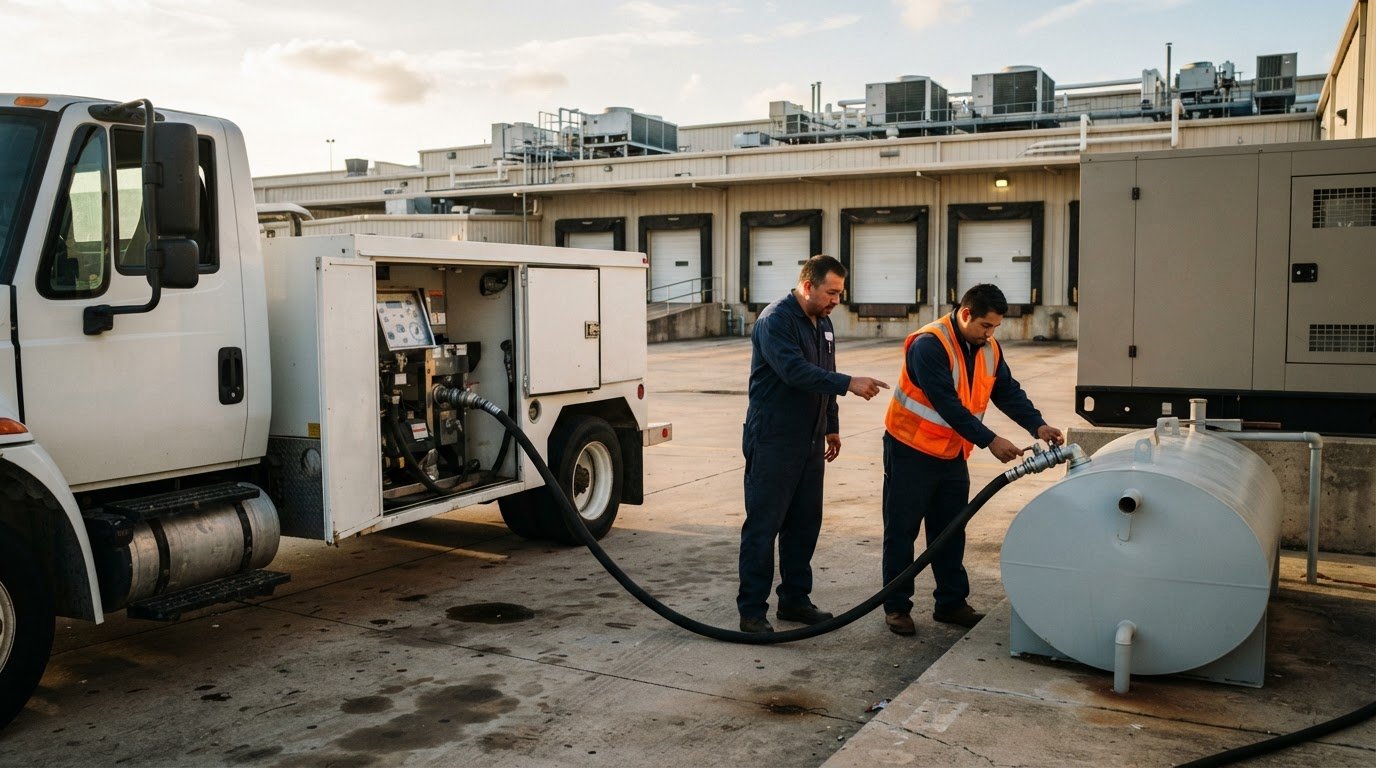
React Fueling supports Austin projects with commercial fuel delivery for equipment, generators, and other site operations. Its Diesel Delivery, Equipment Fueling Service, Fuel Delivery, and Generator Fueling Service can help align on-site supply with the work that must keep moving. Turn to React Fueling when project demand changes, equipment needs fueling at the site, or a disruption calls for fuel delivery. Share the project location, fuel requirements, operating schedule, and site access details so delivery planning can reflect actual conditions. A clear plan connects fuel needs to project priorities without relying on last-minute coordination. Contact React Fueling to discuss fuel delivery for your project.
Build fuel planning into your next project decision
Make fuel readiness part of project planning, not a separate response after a disruption reaches the site. Assign responsibility for reviewing changes in demand and incorporating them into operational decisions. This gives project leaders a clear point of coordination as equipment, schedules, and site requirements evolve. In Austin, avoiding project delays from fuel shortages means keeping fuel planning connected to the decisions that shape daily work.
React Fueling can support commercial projects with fuel delivery for site operations. Share your project requirements and discuss the next step with React Fueling’s project team. Start the conversation with a clear view of your site’s needs, and move forward with a more deliberate plan for keeping work on track.