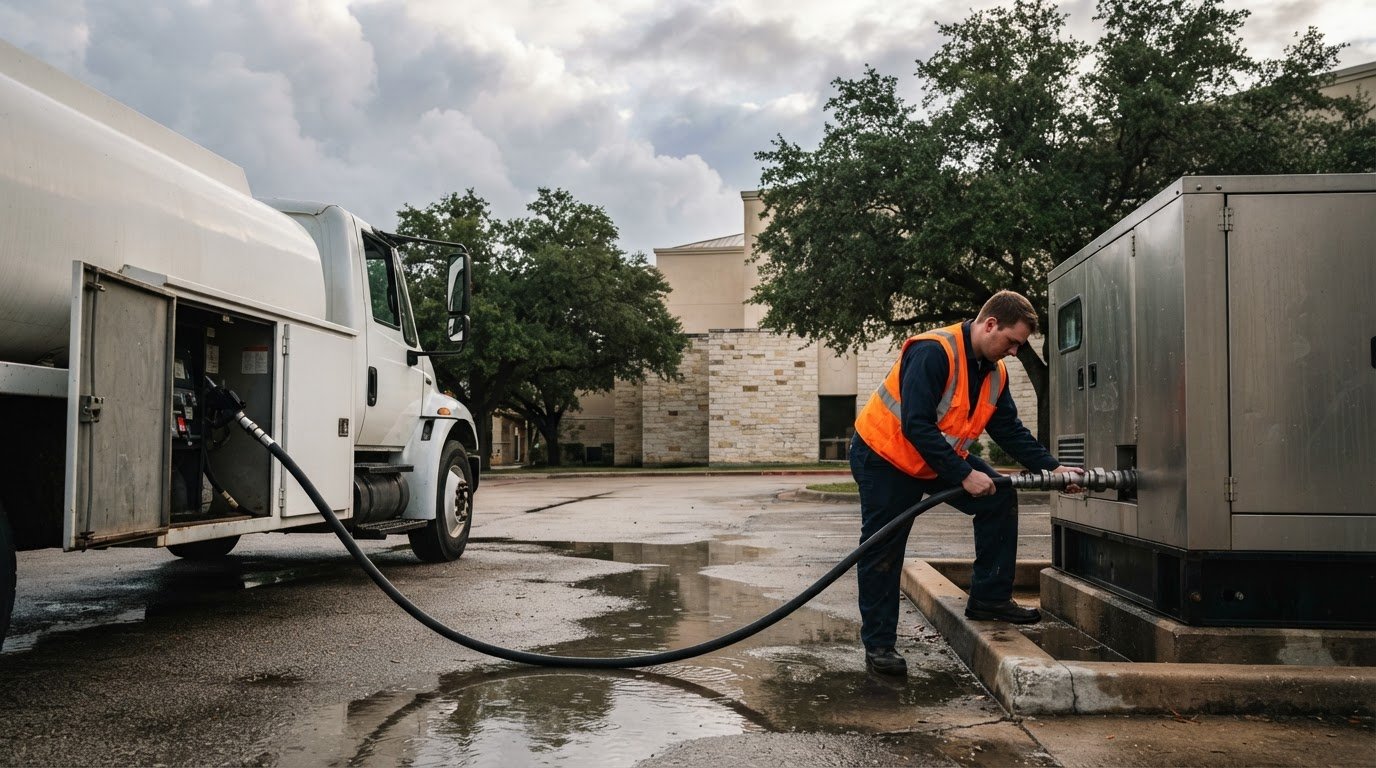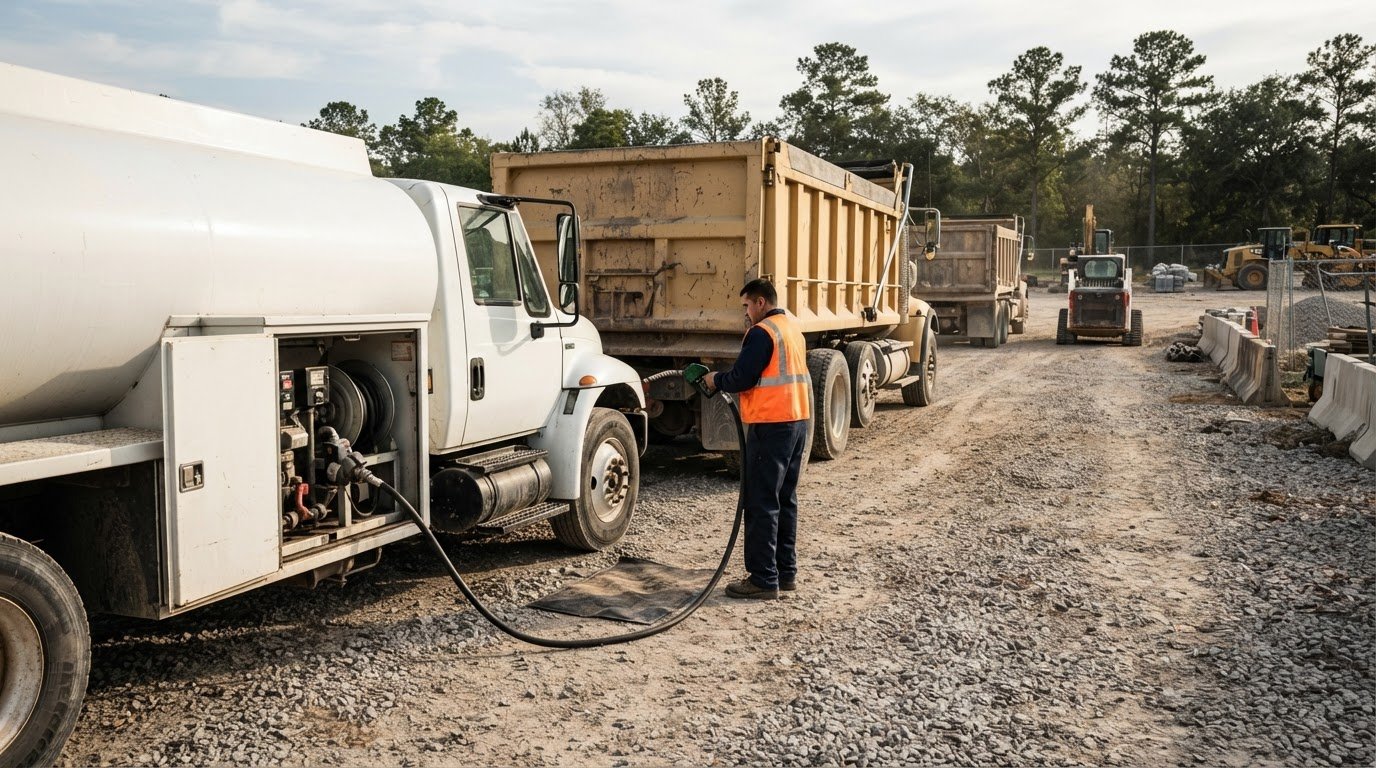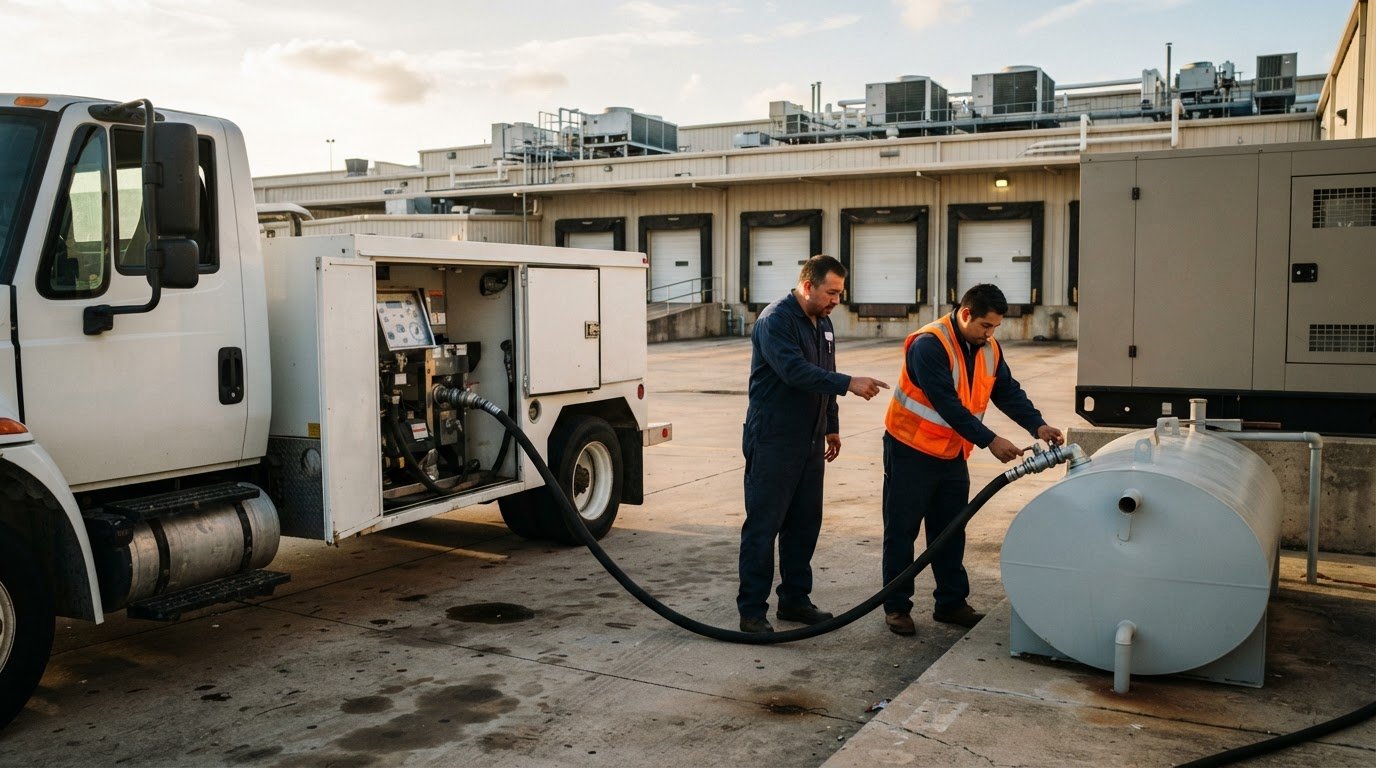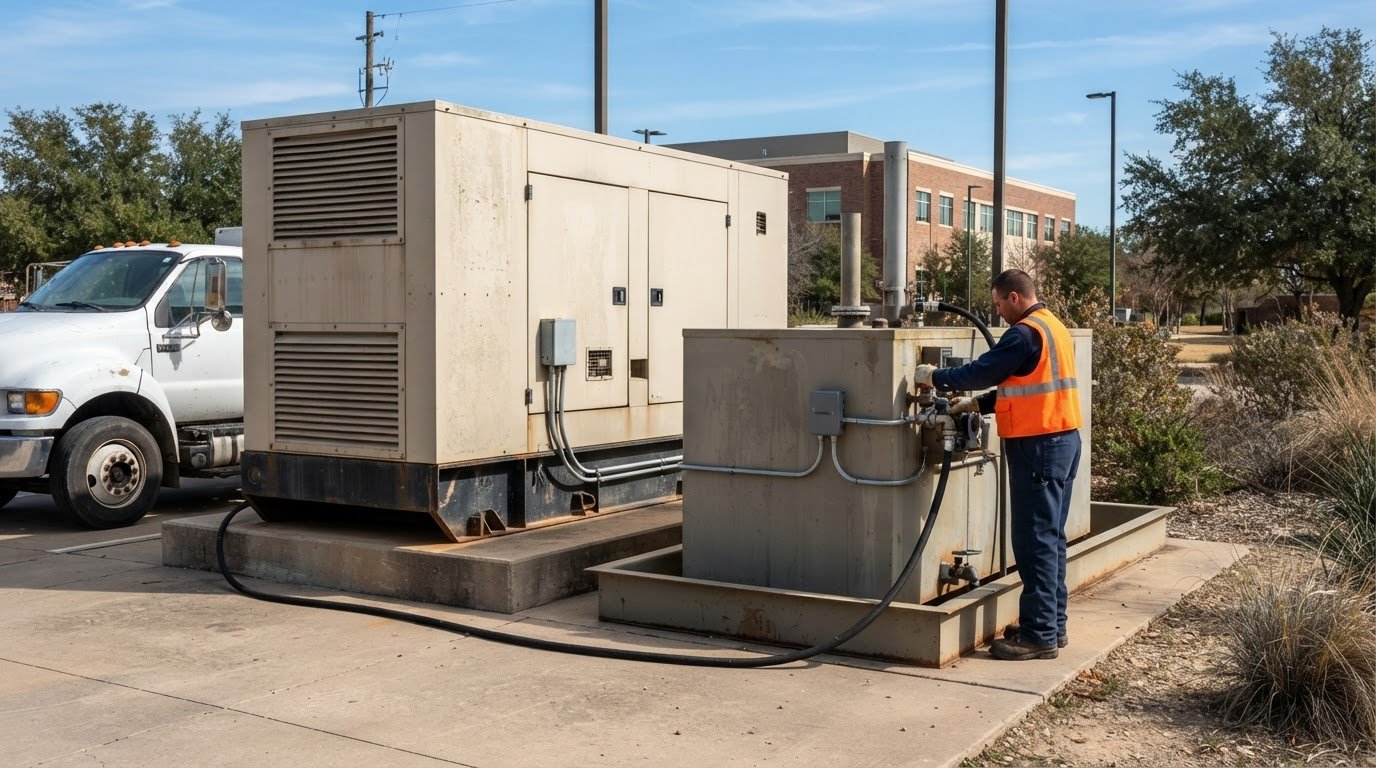
For Texas farms, the right fuel plan starts with where equipment operates, not just how much fuel it uses. According to the Texas Comptroller of Public Accounts, a Texas AG Signed Statement Number allows agricultural operators to purchase up to 25,000 gallons of tax-free dyed diesel per month for exclusive use in agricultural off-highway equipment operated in Texas. Texas distinguishes taxable clear diesel for highway vehicles from dyed diesel intended for eligible off-road equipment. Planning agriculture equipment fuel delivery in College Station means matching fuel to the equipment and arranging a practical way to replenish it.
Agriculture equipment fuel delivery in College Station can help keep farm machinery ready for field operations. Storage capacity, delivery access and refill timing all shape a fuel plan that fits the site.
This guide explains which bulk fuels can serve farm equipment, how clear and dyed diesel differ, and what to consider when planning delivery around College Station. It also covers how storage arrangements and delivery schedules can support an operation’s fuel needs, so you can make decisions with fewer unknowns and a clearer plan for keeping equipment supplied.
Bulk fuels for agricultural operations
React Fueling provides on-site diesel and fuel delivery for commercial equipment, including agricultural machinery in College Station. Delivery planning depends on the farm’s location, equipment, tank access and preferred schedule. For a Brazos County delivery, have the address, fuel type, estimated quantity, tank location and access instructions ready.
There is no single minimum order that suits every farm. A practical quantity depends on expected equipment use, available tank capacity and how often the operation needs replenishment. A farm running tractors during field work may plan differently from one fueling stationary generators or equipment used intermittently.
Fuel selection starts with the equipment’s use. Texas distinguishes taxable clear diesel for highway vehicles from dyed diesel intended for eligible off-road equipment. According to the Texas Comptroller of Public Accounts, a Texas AG Signed Statement Number allows agricultural operators to purchase up to 25,000 gallons of tax-free dyed diesel per month for exclusive use in agricultural off-highway equipment operated in Texas. That allowance is tied to the stated agricultural use, not general vehicle fueling.
Bulk purchasing can help an operation plan its supply and may lower the per-gallon cost compared with repeated retail purchases. The final cost depends on fuel type, order volume, delivery distance, tank requirements and schedule. Estimate demand from the equipment mix and seasonal work, then compare the order with tank capacity to avoid unnecessary trips or running short. These factors are more useful than choosing a delivery interval by habit.
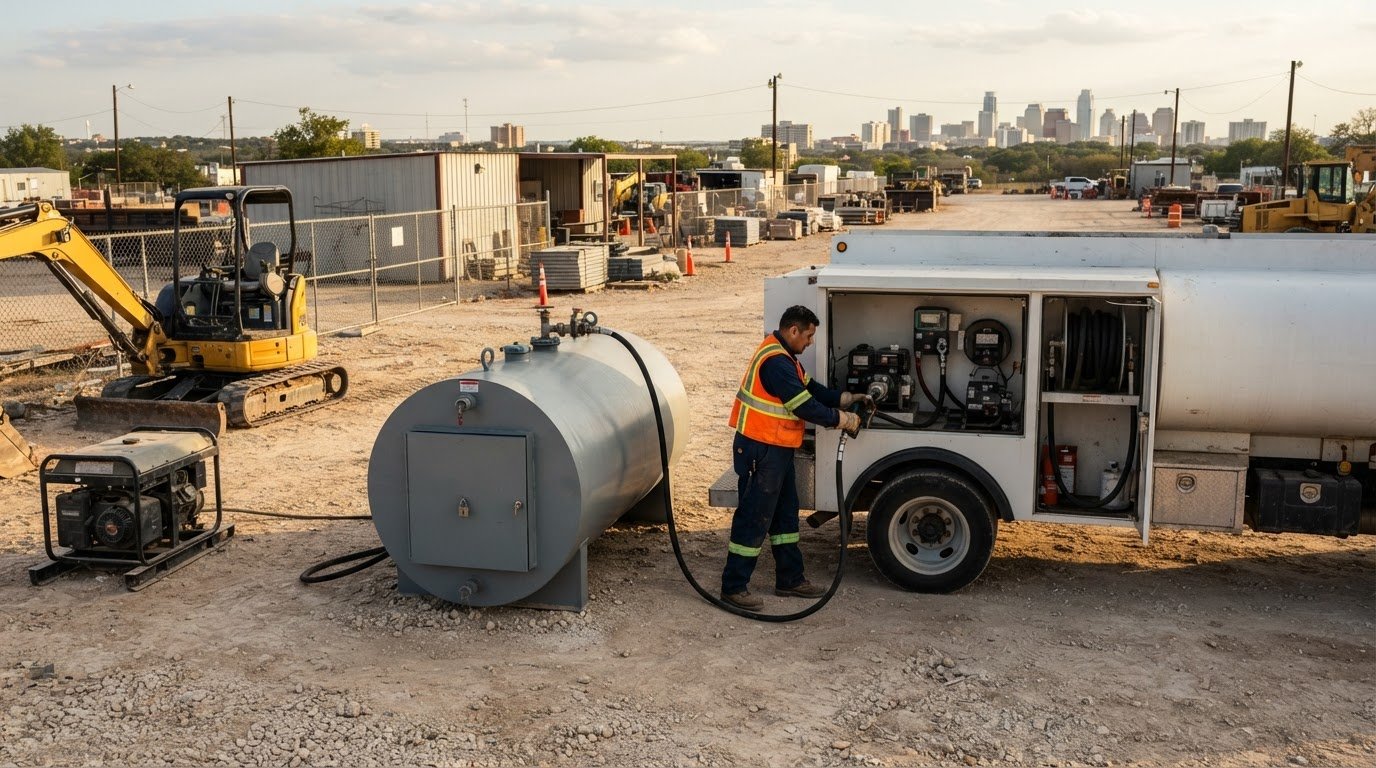
Tank placement affects delivery access and everyday use. Farm fuel tank placement and installation must meet applicable fire, environmental and safety requirements. U.S. EPA Spill Prevention, Control, and Countermeasure requirements may apply to some aboveground agricultural fuel storage installations. React Fueling offers Smart Tracking with remote tank monitoring, which can help operators follow fuel levels and plan replenishment.
A clear site plan helps on-farm delivery go smoothly. Provide the exact location, preferred delivery window, fuel type, estimated volume, tank location and access directions. Specify whether the delivery is for tractors, other off-highway equipment or generators. These details help coordinate fuel supply with the farm’s schedule and layout.
Plan delivery by considering expected use and storage together. For example, a farm with several equipment areas can prioritize the tank serving the greatest demand. A delivery plan should account for site access and usage patterns, while making the fuel type and intended equipment clear. This can reduce avoidable disruption without relying on last-minute replenishment.
Farm fuel delivery service areas
For agricultural operations around College Station, start with the delivery address and equipment locations. One property may include a machinery yard, a remote field entrance and a generator site. Mapping each destination helps clarify where a delivery truck can reach equipment and where fuel transfer can take place.
Delivery planning depends on more than distance. Road access, gates, turning space, surface conditions and the route from an entrance to a tank all matter. A farm outside central College Station may have different access needs from one near a paved road. Clear directions to the correct entrance help prevent confusion between buildings or field approaches.
For a Brazos County delivery, organize information around each drop location. Include the site address, entrance, a recognizable landmark, and the tank or equipment location. If the property has separate work areas, identify each destination clearly. This gives dispatchers and drivers a better picture of the route within the farm than a street address alone.
Reliable supply also depends on matching delivery timing to equipment demand. A tractor fleet working a concentrated field schedule needs a different replenishment plan from equipment used occasionally. Record expected consumption, planned work periods and the location of each fuel point. This helps align supply with operations and avoid delays caused by missed access details or poorly timed deliveries.
Monitoring can make the schedule more responsive. React Fueling’s Smart Tracking includes remote tank monitoring, helping operators track levels and plan refills. Use readings alongside planned equipment use rather than relying only on a calendar. A tank serving several tractors, for example, may need closer attention during intensive field work than during a quieter period.
Before dispatch, prepare the delivery details that matter most:
- The College Station or Brazos County delivery address and the entrance to use.
- The location of each tank or equipment fueling point.
- The diesel fuel type and the equipment it will serve.
- Site access details, including gates, turning areas, and any route restrictions.
- The preferred delivery window and expected operating demand.
These details help plan the route and direct the truck to the right location. For farms with multiple work areas, a simple site map can show how the main entrance connects to tanks, tractors and generators. A planned route also clarifies which locations take priority if work schedules change.
A dependable service plan connects the delivery address, farm layout and operating schedule. For agriculture equipment fuel delivery in College Station, these details help coordinate diesel supply with the work that needs to keep moving, without assuming every property has the same access or fueling needs.
Farm fuel storage and delivery scheduling
Storage capacity, equipment demand and seasonal work shape a practical fuel schedule. A plan for harvest machinery may differ from one supporting irrigation pumps and generators.
Fueling Schedules and 24/7 Service
Farm operations can run beyond standard daytime shifts during harvest or when irrigation equipment needs fuel. Build the schedule around the hours machinery operates, the tank’s location, and how quickly fuel is consumed. A delivery plan must account for the farm’s operating hours, but those hours alone don’t establish that fuel delivery is available at every hour.
For around-the-clock operations, identify which equipment cannot pause and where it draws fuel. A generator supporting a critical site, for example, may need a different replenishment priority from machinery used intermittently. Distinguish priority fuel points in the schedule so essential work and routine replenishment are planned appropriately.
Use tank readings alongside expected demand. React Fueling’s Smart Tracking includes remote tank monitoring, helping operators track levels and plan replenishment. Compare readings with upcoming work, such as a planned harvest shift, so a delivery request reflects current inventory and likely consumption. This can make scheduling more responsive than relying on a fixed calendar alone.
Storage planning also depends on the site layout. Tank placement affects how a delivery vehicle reaches the fuel point and how farm machinery accesses it afterward. Consider both the delivery route and operating area when setting priorities. If lubricants are stored separately, include their location in the farm’s supply plan without confusing them with diesel tank readings.
Scheduled Delivery
Scheduled delivery follows an agreed recurring plan, with timing based on typical fuel use and storage capacity. A farm can align replenishment with regular work periods, then adjust as harvest demand or irrigation use changes. The schedule should identify the delivery location and the tank or equipment area each delivery serves.
With on-demand delivery, the farm requests replenishment when operating needs or tank readings indicate it is time. This can suit changing demand, while a recurring schedule can make routine supply easier to plan. Either way, clear site instructions, realistic demand estimates and a delivery window that fits the farm’s work are essential.
To build a practical plan, organize information by fuel point: expected use, current storage level, equipment served and upcoming demand. A tank serving irrigation equipment, for example, may follow a different pattern from one used by harvest machinery. This helps match delivery timing to farm activity instead of applying one schedule to every tank.
Keep the plan current as work changes. Shifts in harvest timing, irrigation needs or equipment use can affect how quickly stored fuel is consumed. Updating the schedule helps coordinate supply with operations and reduce avoidable downtime without assuming every season or storage point follows the same pattern.
Agricultural fuels and farm equipment
Near College Station, agricultural fueling often centers on diesel, with clear and dyed diesel serving different uses. Some farm equipment may use gasoline, so match the fuel plan to each machine’s requirements.
Texas rules tie dyed diesel use to eligible off-highway equipment. Red-dyed diesel cannot legally be used in vehicles traveling on public roads. According to the Texas Comptroller of Public Accounts, a Texas AG Signed Statement Number allows agricultural operators to purchase up to 25,000 gallons of tax-free dyed diesel monthly for exclusive use in agricultural off-highway equipment operated in Texas.
That distinction matters on mixed-use farms. A tractor used exclusively for agricultural off-highway work has a different stated use from a vehicle traveling on public roads. Keep the fuel type and intended equipment clear when planning delivery, especially if the operation uses both farm machinery and highway vehicles. This helps direct each fuel supply to the appropriate equipment.
Equipment needs also change across the season. Planting may require different machinery from later field work, while generators can support separate farm functions. Identify each machine, its required fuel and where it is fueled. For an agribusiness with several equipment types, separating storage and fueling points by intended use can make allocation clearer.
Fuel type is only one part of equipment readiness. Nonroad agricultural diesel engines and equipment must comply with U.S. EPA emissions requirements, so engine and equipment specifications matter when matching fuel and maintenance supplies. Diesel exhaust fluid is a separate supply used in selective catalytic reduction systems to help reduce nitrogen oxide emissions. DEF is not a substitute for diesel fuel, and React Fueling delivers DEF for trucks and equipment.
Before setting up agricultural fueling, organize equipment details by category:
- Identify which machines use diesel and which require gasoline.
- Separate highway vehicles from qualifying off-highway farm equipment.
- Mark each fueling point by location and equipment served.
- Include generators and seasonal machinery in demand planning.
- Keep diesel, DEF, and lubricants identified as separate supplies.
For example, a farm preparing for planting can map tractor fueling points separately from generator supply. This helps direct delivery to the intended storage or equipment area and keeps fuel allocation aligned with use. Clear categories also make seasonal changes easier to manage as equipment demand shifts.
For College Station farms, the practical rule is to match clear or dyed diesel to its permitted use and match every fuel to the equipment. An organized plan accounts for fuel type, equipment purpose, emissions-related requirements and changing seasonal needs.
Agricultural fuel delivery in Texas
Texas farm fuel planning connects fuel type, equipment use, storage and delivery access. For College Station farmers, a workable plan starts by identifying where tractors operate, where fuel is stored and how deliveries reach each location. Coordination matters throughout the season, as planting and harvest can change equipment demand and where fuel is needed.
Keep fuel use clear when planning for an operation with both tractors and road vehicles. Directing each fuel supply to its intended equipment helps prevent mix-ups at storage points and makes farm fueling easier to manage.
Delivery planning should reflect the property layout. A farm may have a main equipment yard, fields reached through separate entrances and a generator at another work area. Identify each fueling point and distinguish field access from the main farm entrance. These details help align the delivery route with the worksite.
Organize fuel needs by equipment group rather than treating the whole operation as one demand point. Tractors used during planting, for example, may draw from one storage location while other machinery relies on another. Record the fuel type, equipment served and expected work pattern at each point. This ties the delivery plan to how the farm actually operates.
Storage and replenishment work together. Tank capacity, current levels and anticipated use help determine when to schedule delivery. React Fueling’s Smart Tracking includes remote tank monitoring to help operators track levels and plan refills. Pair readings with upcoming work, such as planting or harvest, to plan supply around farm demand.
Before arranging a delivery in the College Station area, organize the key operating details:
- Delivery address and the entrance trucks should use.
- Fuel type and the equipment intended to use it.
- Storage or fueling locations across the property.
- Expected demand and upcoming farming activity.
- Access directions for fields, equipment yards, or generators.
This information connects delivery to the farm’s operating plan. If work shifts from planting to harvest, update expected demand and the locations that need fuel. Changes in machinery use can affect which storage point takes priority, so keep the schedule aligned with current work.
The takeaway for Texas farms is to coordinate intended fuel use, site access, and changing equipment demand. For agricultural operations near College Station, discuss a farm fuel delivery plan around the locations and work that need supply.
React Fueling: Equipment Fueling Service
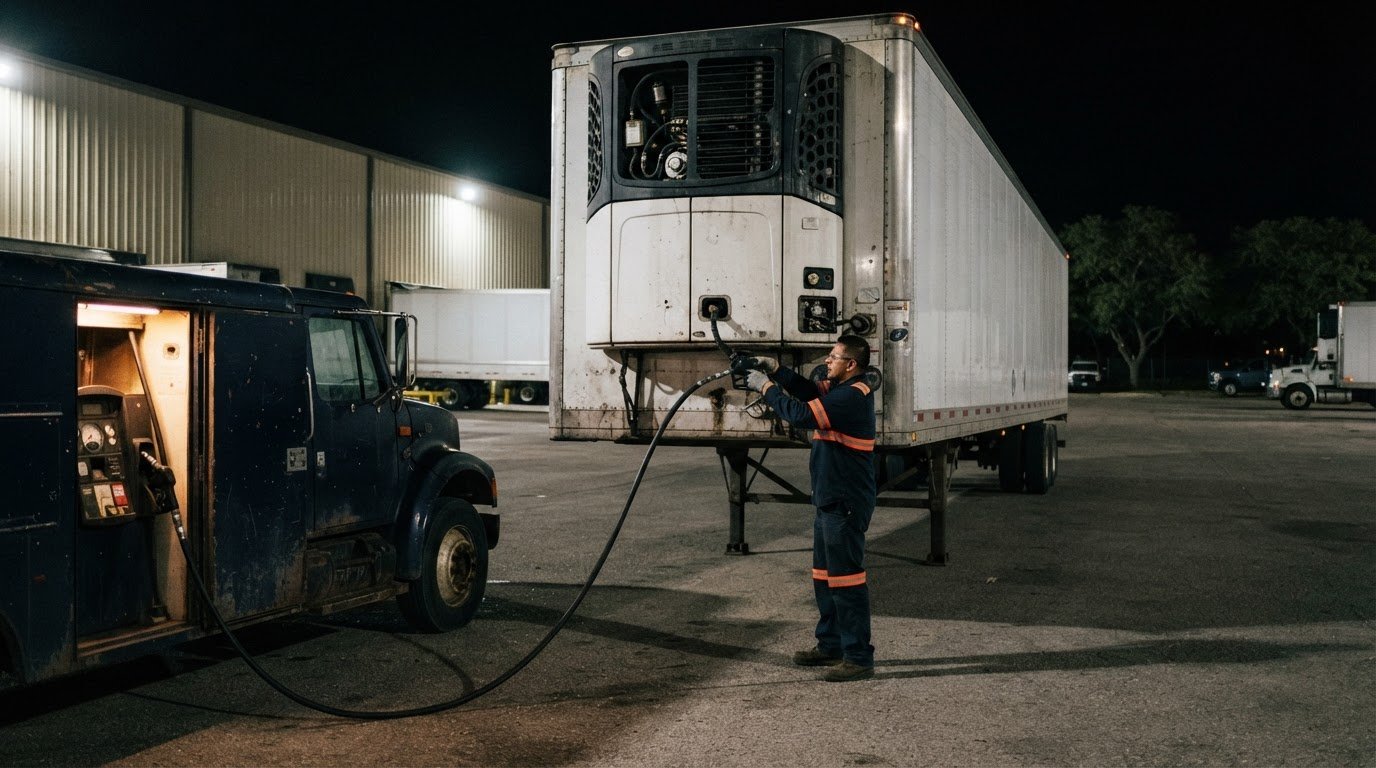
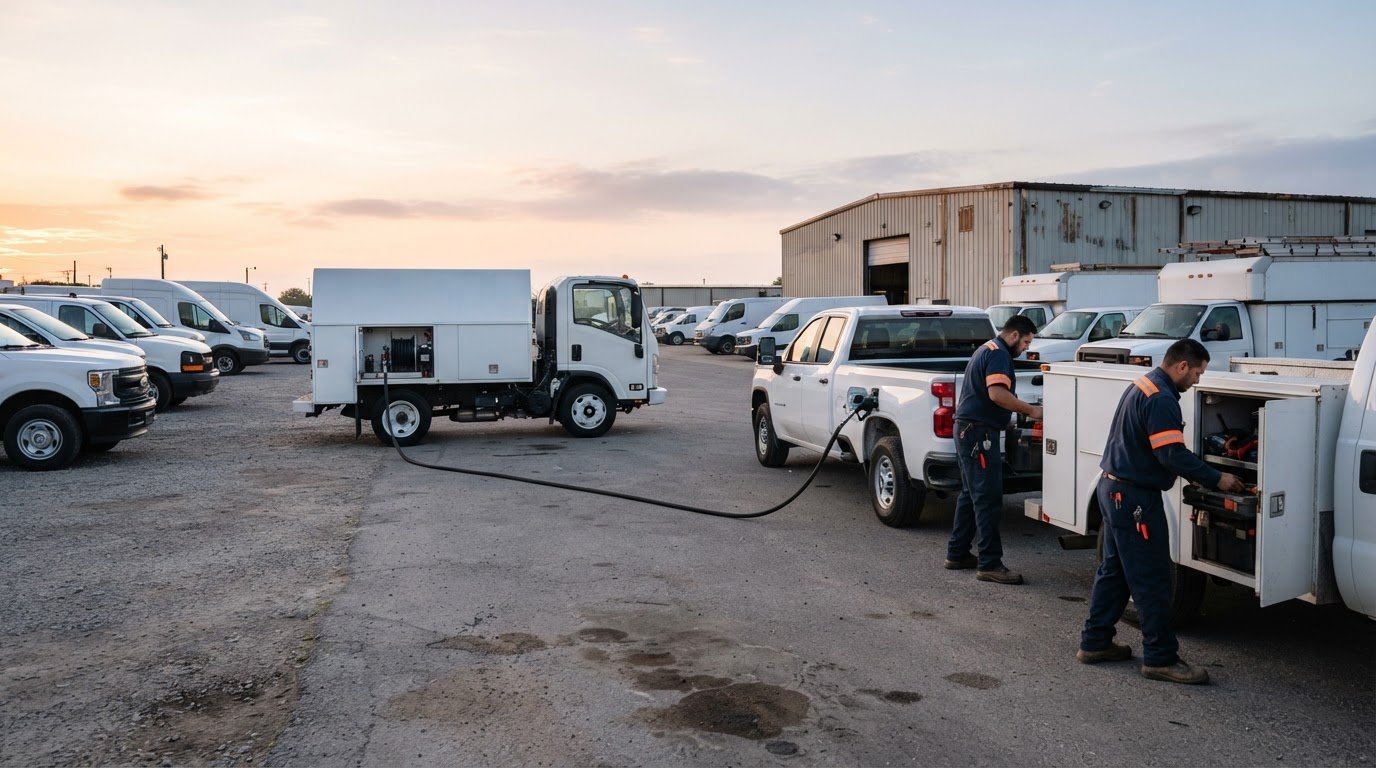
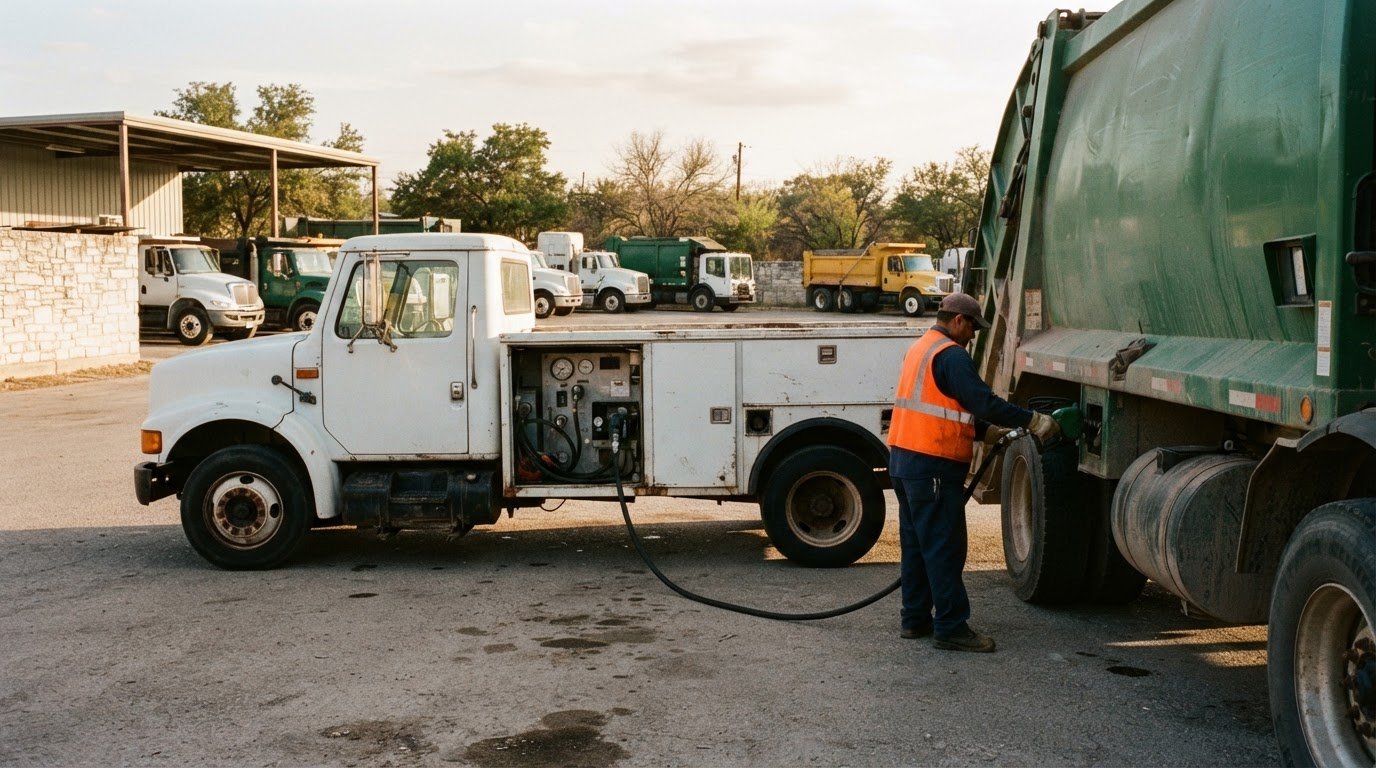
React Fueling provides Equipment Fueling Service for agricultural operations that need on-site equipment fueling. Diesel Delivery and Fuel Delivery can support farms supplying tractors and other machinery, while Generator Fueling Service supports generator fuel needs. These services can suit operations that want delivery planned around equipment locations and work schedules instead of moving fuel between sites themselves.
For College Station farms, provide the delivery location, the equipment or generator to be fueled, the fuel required and site access details when arranging service. This gives the delivery plan practical information about the operation’s needs.
Contact React Fueling to discuss equipment fueling for your agricultural operation.
Set Up Your Farm’s Next Fuel Plan
A reliable plan for agriculture equipment fuel delivery in College Station starts with how your operation works. Identify the equipment that needs fuel, where it operates and how seasonal changes may affect demand. Share those details with React Fueling to plan delivery around your farm’s priorities.
React Fueling offers Diesel Delivery, Equipment Fueling Service and Fuel Delivery for commercial operations. Request a quote when managing fuel supply in-house no longer fits your equipment schedule or site layout.
Bring your delivery location, fueling points, fuel needs, and preferred scheduling approach into the conversation. A clear starting point helps focus the discussion on the operational details that matter to your farm. Contact React Fueling to discuss farm delivery and take the next step toward a plan that supports your work.
Frequently Asked Questions
What Is Farm Fuel Delivery?
Farm fuel delivery brings fuel directly to agricultural equipment or an on-site storage point. A delivery can supply a tractor at a worksite or replenish a tank serving several machines. Direct equipment fueling can reduce the need to move fuel between locations. The right arrangement depends on the farm’s equipment, fuel needs, access and whether the fuel goes into machinery or storage.
Who delivers diesel fuel to farms and agricultural equipment in College Station, TX?
React Fueling delivers diesel and fuel for commercial operations in College Station, TX, including equipment fueling for machinery. Its listed Texas service areas are Houston, TX; Austin, TX; San Antonio, TX; Dallas, TX; College Station, TX. Describe the equipment and delivery location to help define the service needed. A tractor fleet, for example, may need a different arrangement from a generator at a separate site.
How much does on-site diesel fuel delivery cost in College Station, including delivery fees and per-gallon prices?
Pricing is provided after a quote request and depends on the delivery. Fuel type, order volume, distance, tank requirements and schedule affect the quote. React Fueling offers clear, competitive rates with no long-term commitments or hidden fees. Share the delivery address, fuel needs and relevant storage details when requesting a quote so the service can be scoped accurately.
How quickly can agricultural fuel be delivered in College Station, and is emergency or after-hours delivery available?
React Fueling states an average 4-hour response time across Texas and offers 24/7 emergency fueling. Response time is not the same as a guaranteed delivery time. The farm’s location, site access, fuel requirements, and delivery circumstances shape the logistics. For an urgent need, identify the affected equipment or generator, exact delivery location, and access route so the request clearly communicates the operational priority.
What tank sizes and storage requirements apply to on-site agricultural diesel delivery in Texas?
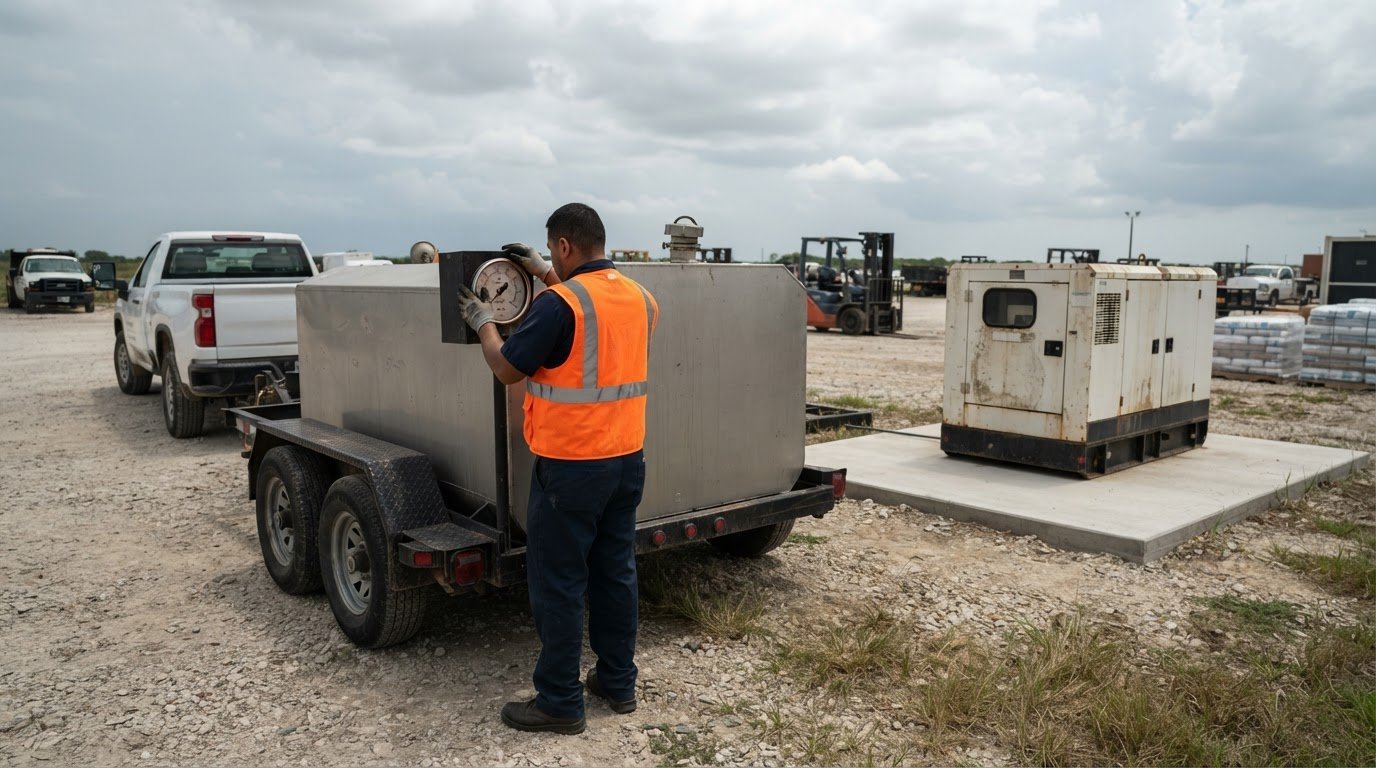
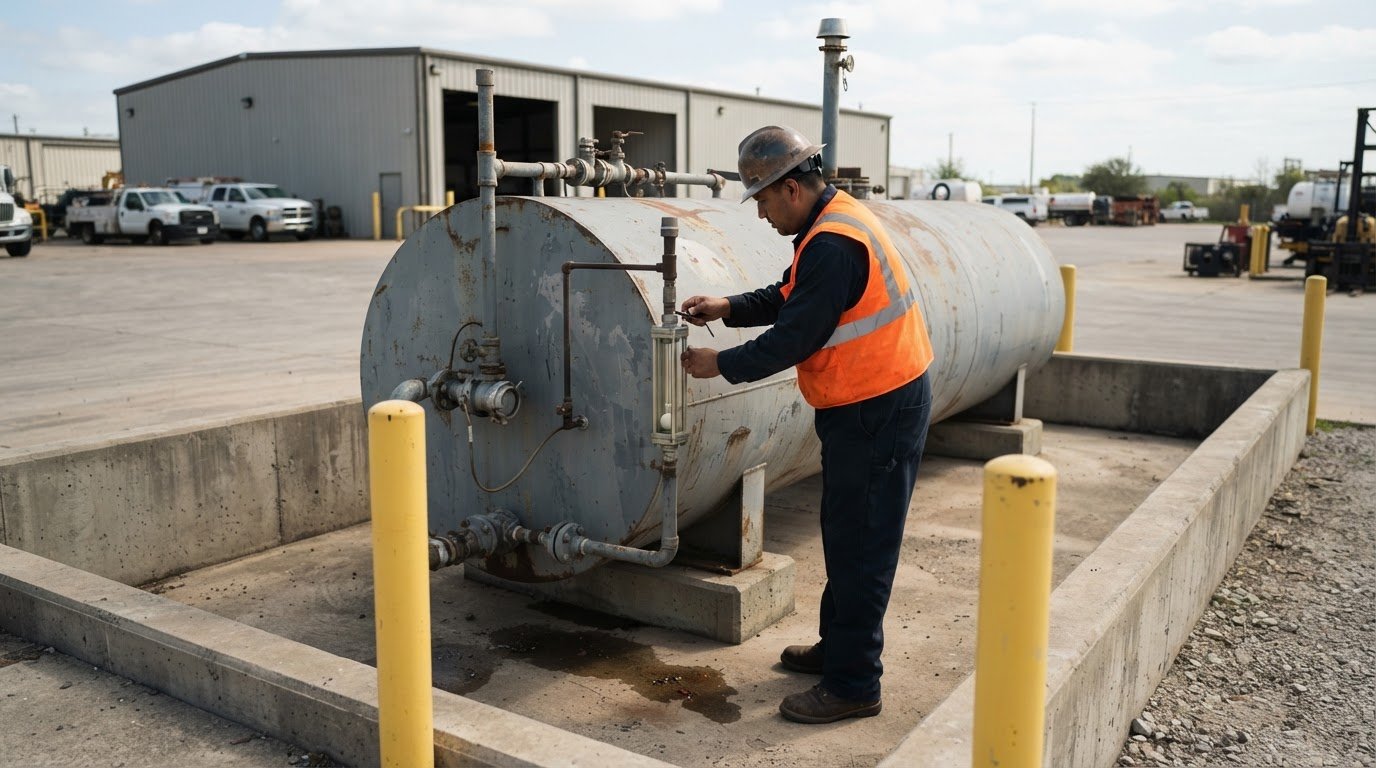
Choose storage capacity based on farm fuel demand, equipment use and available site space. React Fueling offers portable, double-walled tanks with spill containment and strict adherence to regulations. Tank placement and installation must also meet applicable fire, environmental and safety requirements. U.S. EPA Spill Prevention, Control, and Countermeasure requirements may apply to some aboveground agricultural fuel storage installations. Consider the tank location, site layout and how storage will serve the operation.