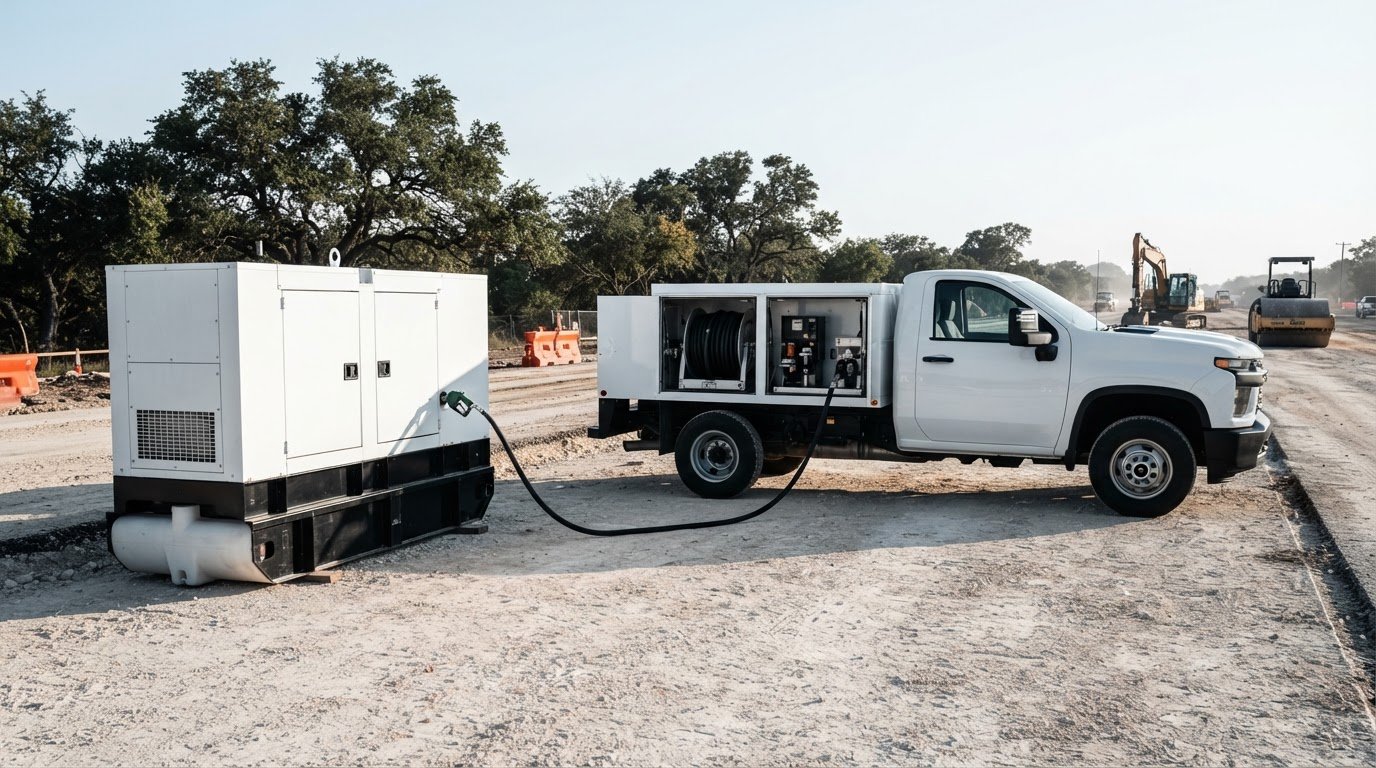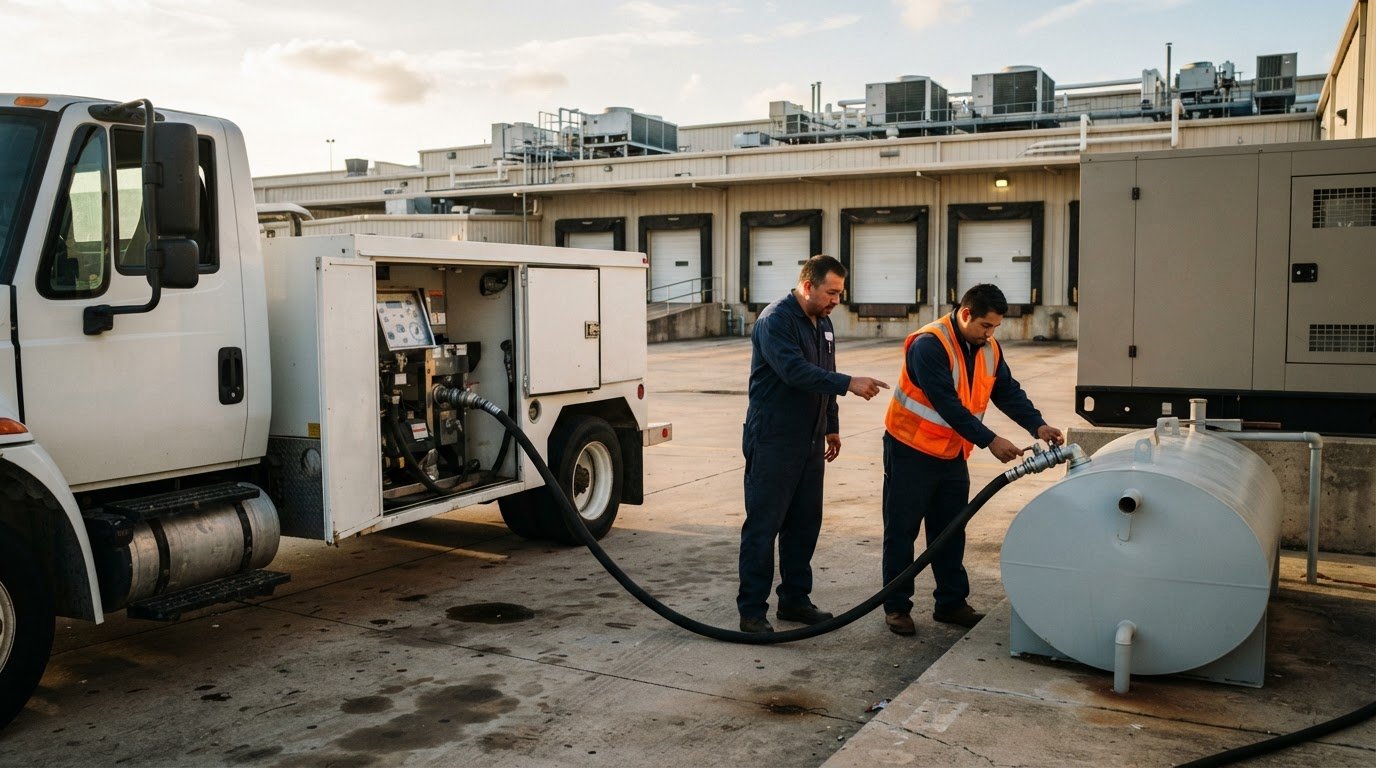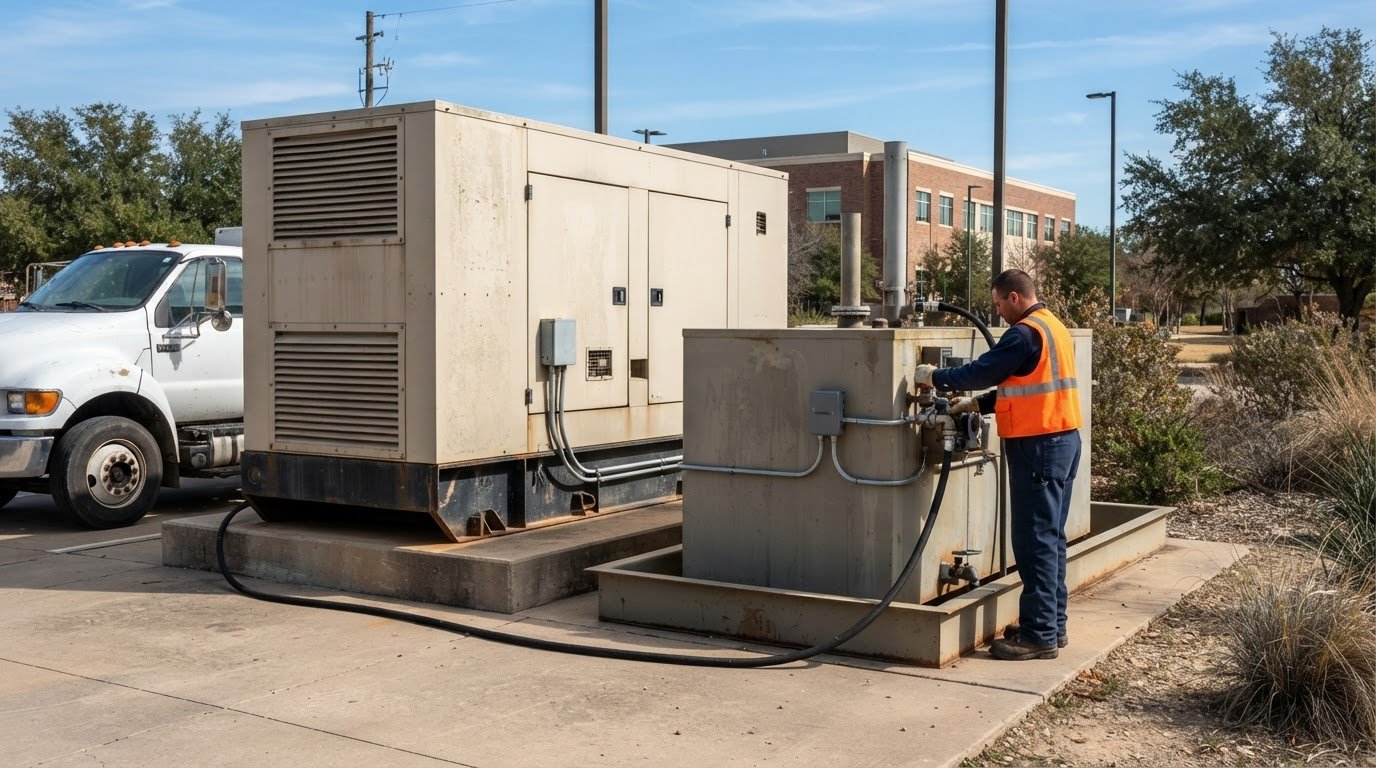
Fuel logistics are part of data center uptime planning, not an afterthought. Fuel solutions for data centers in Dallas can help keep generators ready and support on-site operations through planned deliveries and urgent response.
Reliable power depends on more than having generators on site. Fuel access, delivery coordination, and the needs of equipment operating at the facility all shape a practical supply plan.
This article covers fuel services for Dallas data centers, factors that shape delivery planning and costs, and how to assess which services fit your facility. It explains diesel and fuel delivery, generator and equipment fueling, emergency fuel delivery, DEF fluid, and fuel tank rentals so you can identify the support your operation needs.
Dallas-Fort Worth and North Texas service area
Fuel planning for a Dallas data center starts with the facility’s location and operating needs. A site in Dallas may have different access instructions, receiving procedures, and delivery windows than a facility elsewhere in Texas. A useful plan records the address, equipment that needs fuel, and designated receiving point. These details help coordinate deliveries around the site’s procedures instead of assuming every facility works the same way.
Texas has 54 public compressed natural gas fueling stations and 31 private stations. The state also has 15,096 alternative-fuel stations across multiple fuel types. These counts describe transportation infrastructure, not whether a particular station can supply a data center generator. For vehicle or fleet fueling, the U.S. Department of Energy’s Alternative Fueling Station Locator can help identify available alternative-fuel stations. Backup-power plans still need to account for the generator’s fuel and on-site supply arrangements.
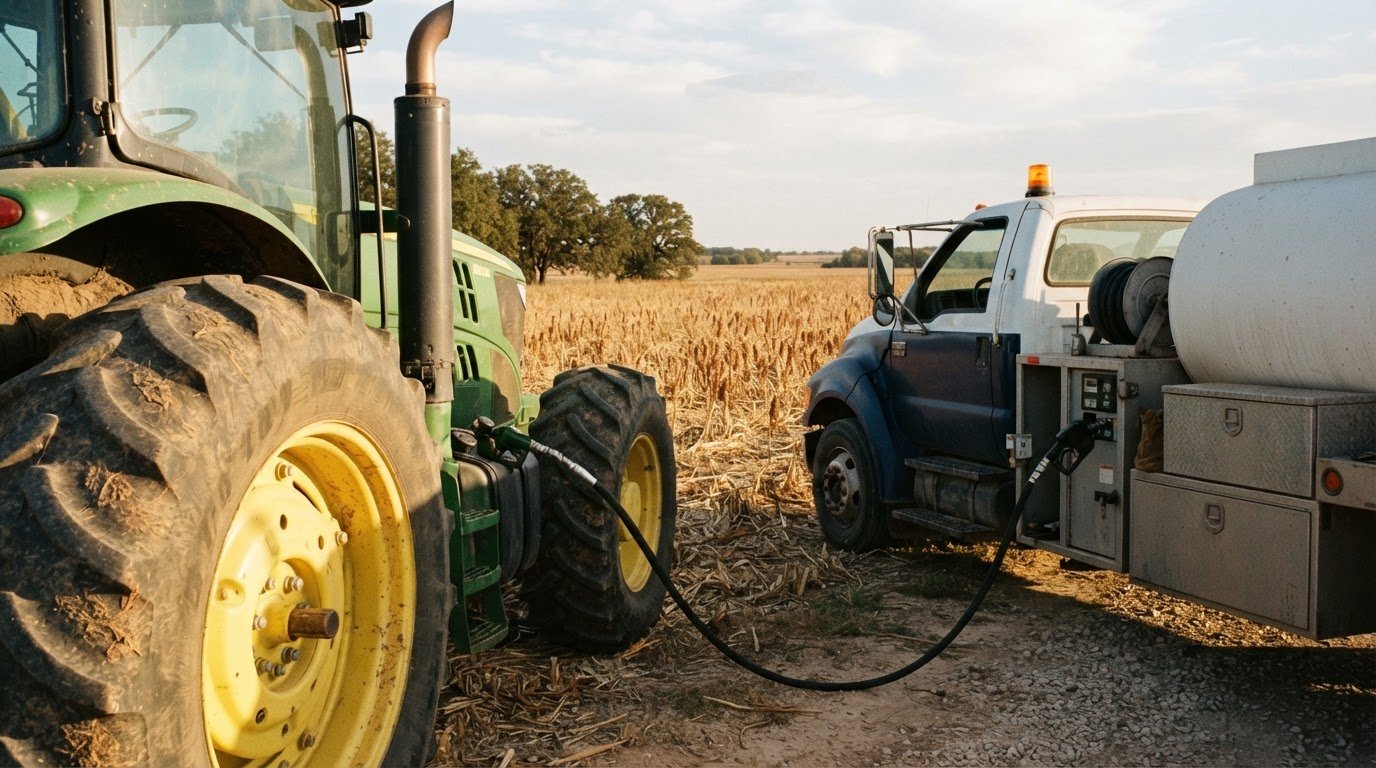
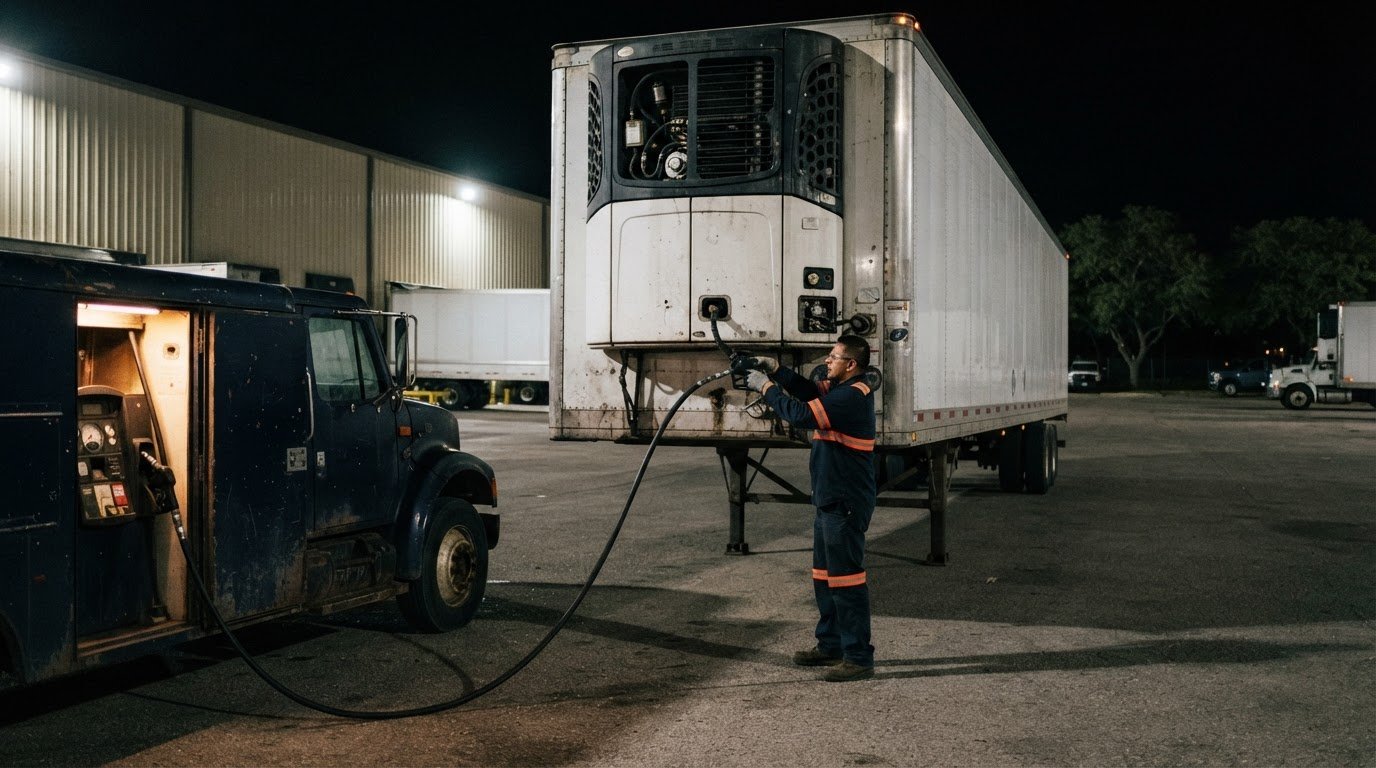
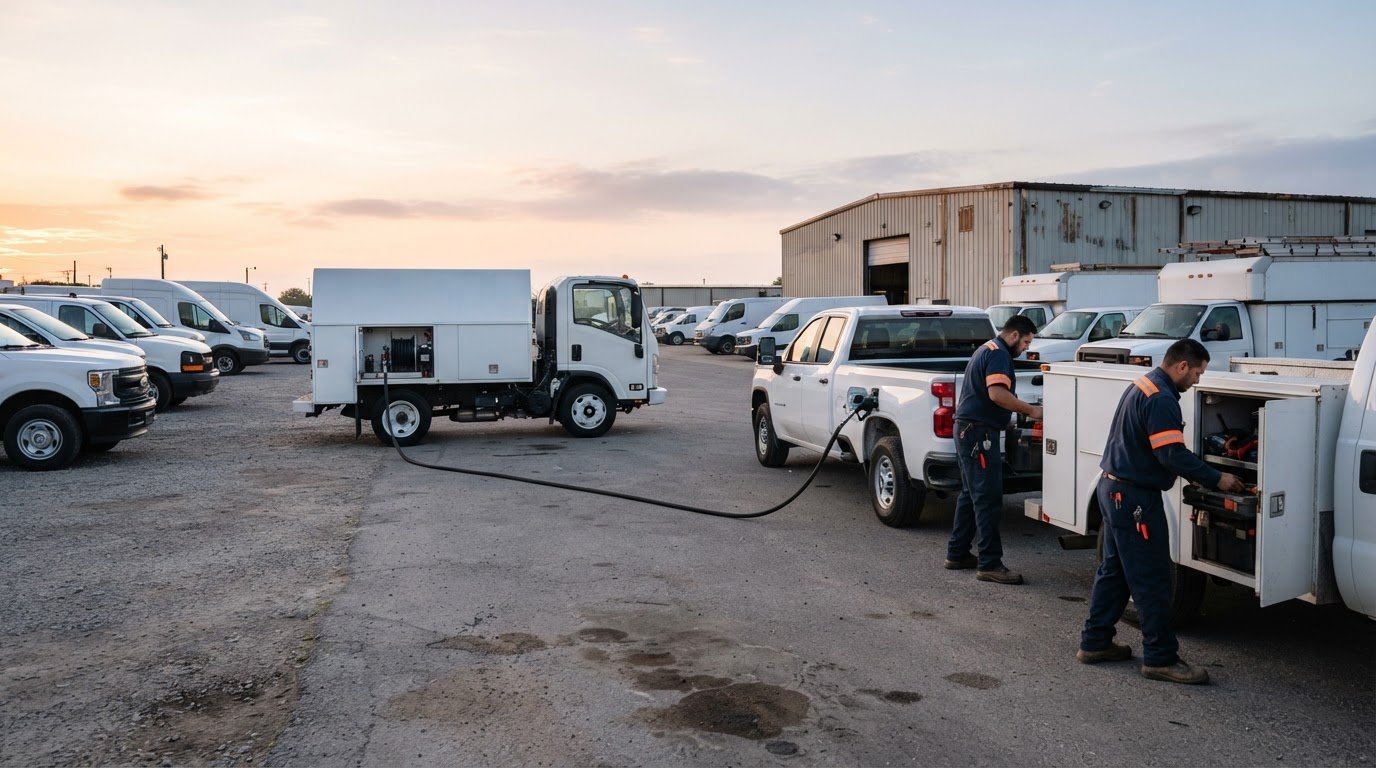
On-site mobile fuel delivery can reduce the time equipment spends away from its work area. For Dallas-area businesses, it can save 30 minutes or more per unit per day compared with sending equipment off-site to refuel. That difference can matter when support machinery or service vehicles need to remain near a data center campus. A delivery plan can record the site address, access instructions, equipment location, fuel type, and requested quantity. On-site equipment fueling brings fuel to the machinery being supported.
Texas transportation uses gasoline and diesel for road vehicles, alongside other energy sources. A data center’s fuel needs differ from general road demand: backup generators require fuel compatible with their equipment, while service fleets use fuel for routine travel. Petroleum-based fuels remain part of this mix. Stanford University states that renewable diesel is chemically identical to petroleum diesel and can be used in existing diesel engines.
Clean transportation projects also influence energy planning in Texas. The state has five Clean Cities and Communities coalitions. Texas also has 13,347 public electric-vehicle charging ports, according to the U.S. Department of Energy’s Alternative Fuels Data Center. These resources may inform fleet or charging decisions for Dallas facilities, but they do not replace planning for backup generator fuel.
Fuel and transportation decisions can be assessed separately. The U.S. Department of Energy and Argonne National Laboratory developed AFLEET to estimate the economic and environmental impacts of alternative-fuel vehicles and infrastructure. For a Dallas data center, teams can distinguish fleet energy needs from generator supply needs, then plan each around the relevant equipment and site requirements.
Texas has 5 Clean Cities and Communities coalitions. The DFW Clean Cities annual report tracks regional fuel consumption and emissions progress through yearly surveys. For facilities considering how transportation activity fits into broader energy planning, that survey-based regional tracking offers a way to follow fuel use and emissions progress over time. It is distinct from an individual site’s generator requirements or delivery arrangements, which still depend on that facility’s equipment and operations.
Bulk fuel delivery for Dallas data centers and generators
Bulk delivery planning connects generator demand, fuel type, site access, and replenishment timing. For a Dallas facility, the right arrangement depends on its equipment and operating plan.
Delivery Availability and Business Hours
Delivery windows need to align with dispatch scheduling, site access, and the receiving team’s operating hours. A data center with controlled entry may need to coordinate gate access, unloading areas, and an on-site contact before a truck arrives. Emergency generator refueling has different timing needs from routine replenishment, so the request should identify the urgency and equipment involved. Business hours and delivery timing depend on the service arrangement.
Fuel Types for Backup Power
Diesel, natural gas, renewable diesel, and hydrogen each require a compatible generator and a workable supply plan. Diesel can be delivered and stored on site, while natural gas depends on an appropriate supply connection. Renewable diesel and hydrogen also require equipment and procurement arrangements suited to those fuels. For a competitive and reliable operation, compare generator compatibility, supply continuity, storage needs, and refueling logistics rather than fuel type alone.
Data centers need fuel that matches their installed backup generators and supply infrastructure. Diesel delivery can support diesel-powered equipment, while natural gas and other alternatives require compatible systems and their own sourcing arrangements.
Fuel Procurement and Delivery Logistics
Procurement planning starts with the fuel specification, the generator or equipment it serves, and the amount needed for delivery. Dispatch coordination then accounts for site access, the receiving window, and the fuel’s destination. These details help align bulk delivery with facility operations and reduce avoidable delays on arrival. DEF delivery can also be arranged as a separate supply need for trucks and equipment that use it.
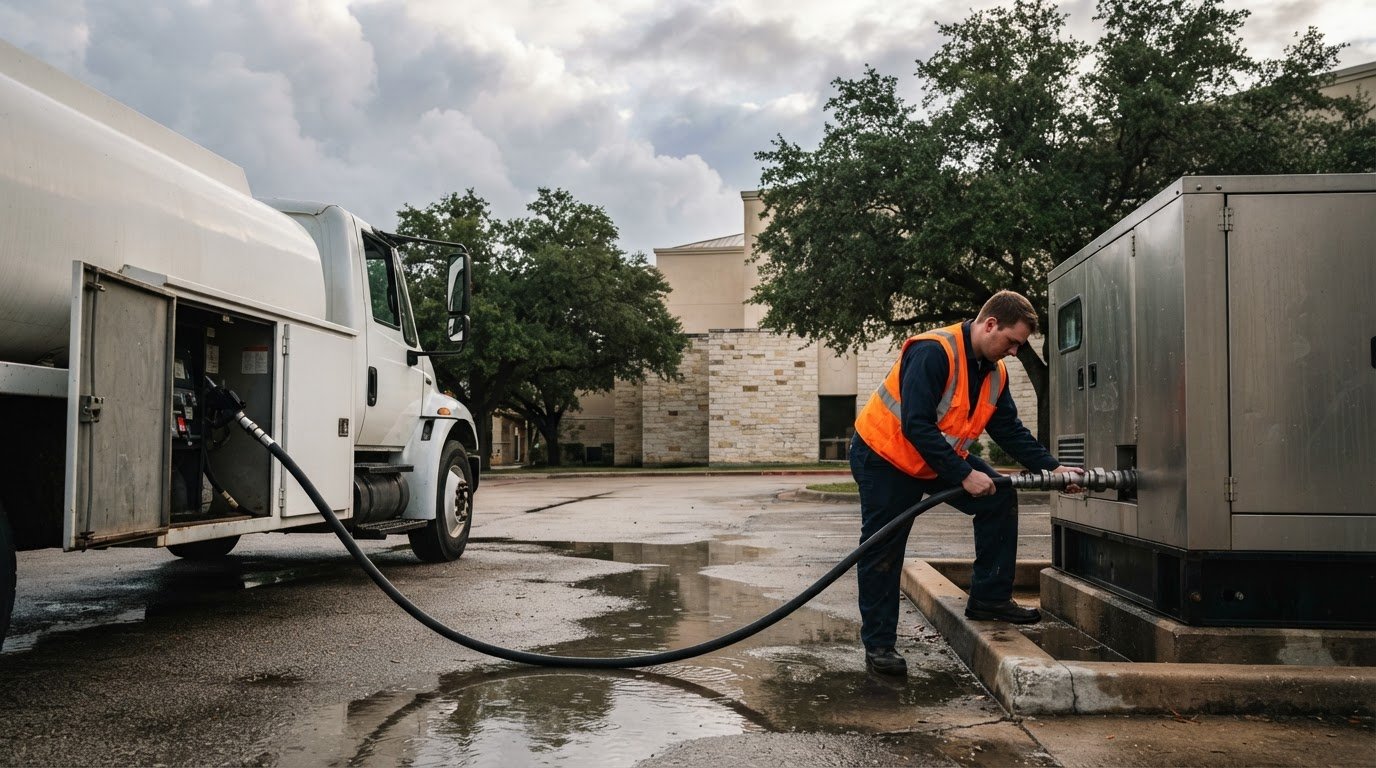
For generator-specific support, generator fueling service addresses delivery to backup-power equipment. Emergency refueling requires a clear description of the location, fuel type, and generator involved.
Fuel Storage and Generator Requirements
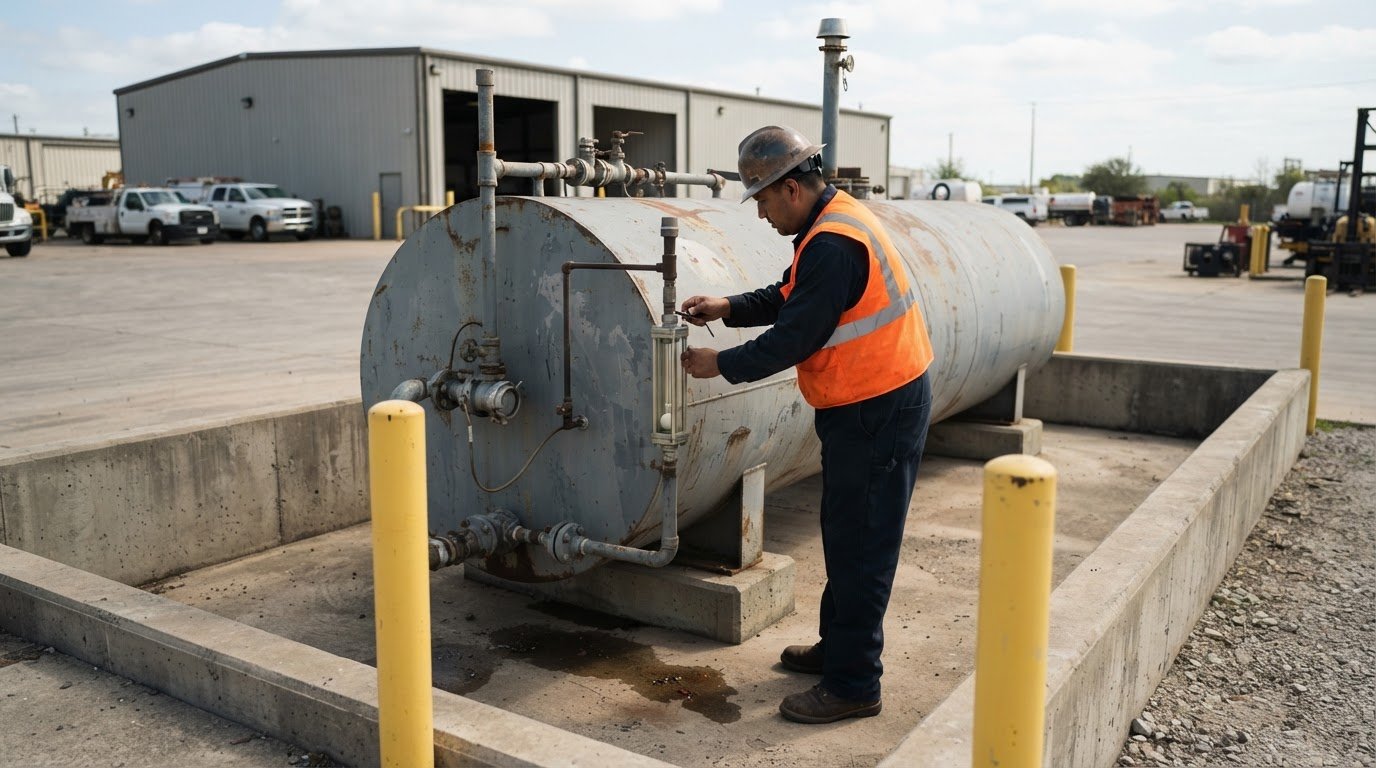
There is no single backup-fuel volume suitable for every Dallas data center. Storage needs depend on generator load, fuel consumption, intended runtime, and replenishment planning. Texas and Dallas-area storage and emissions requirements can depend on tank design, installation, generator equipment, and the facility’s emissions profile. These factors also shape which permits apply to diesel tanks and emergency generators in Dallas County, so permitting cannot be reduced to one universal list.
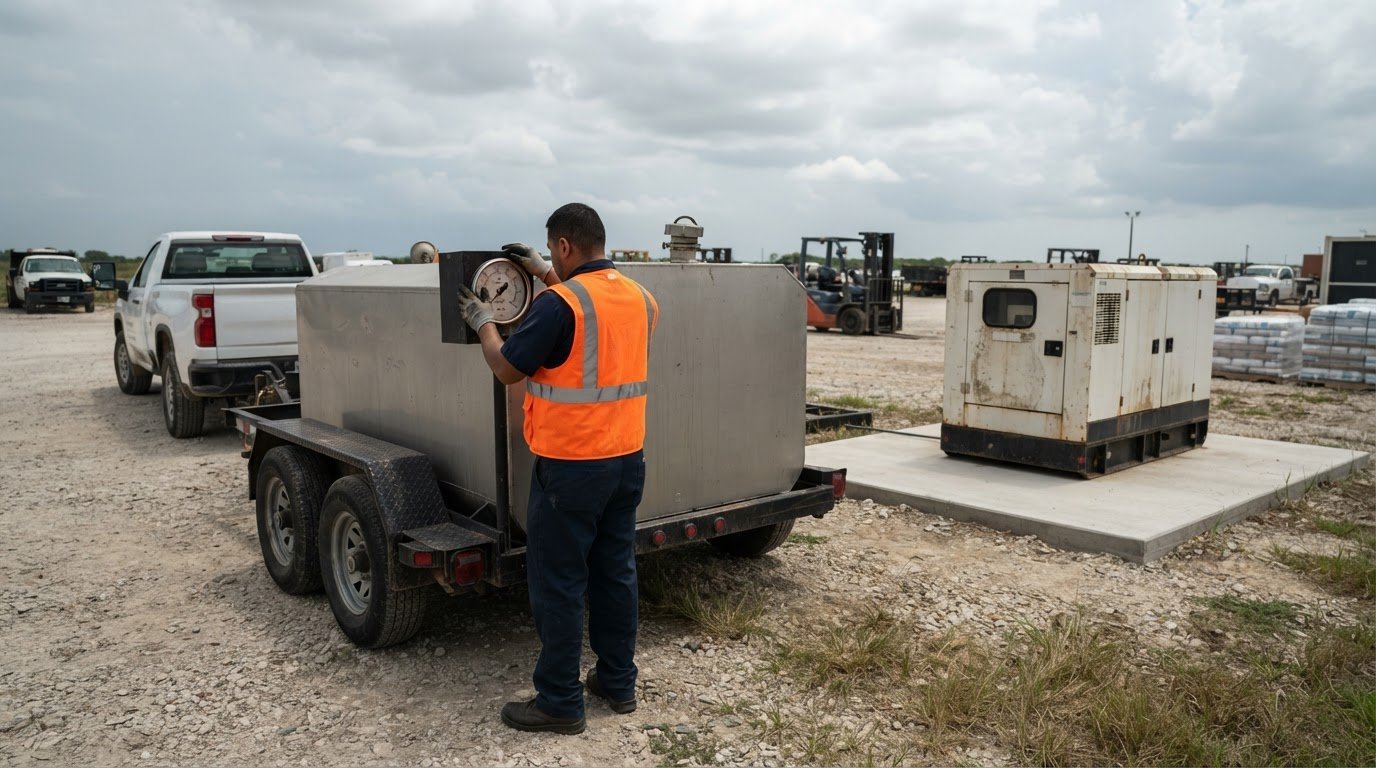
On-site storage can be supported through fuel tank rentals, while emergency generator refueling is a separate delivery need. Fuel polishing is a distinct maintenance service, not the same as fuel delivery or tank rental. To coordinate fuel requirements for a facility, discuss a delivery plan with the site’s fuel needs and equipment details.
Dallas-Fort Worth service area
Fuel planning for a Dallas data center starts with the facility’s address and operating needs. A Dallas campus may have different access instructions, receiving procedures, and delivery windows than a facility in Houston or Austin. A useful plan records the destination, equipment that needs fuel, and designated receiving point. These details help coordinate deliveries around each facility’s procedures instead of assuming every site operates the same way.
For organizations managing facilities in Dallas, San Antonio, and College Station, delivery instructions should be specific to each address. A shared operations team can keep separate records for each site, including the delivery entrance, receiving contact, and equipment location. For example, a generator at a Dallas campus and machinery at a Houston facility need distinct directions and fuel requirements. Address-specific records help route each delivery to the right place.
On-site fueling can reduce the time equipment spends away from its work area. For Dallas-area businesses, it can save 30 minutes or more per unit per day compared with sending equipment off-site to refuel. That difference can matter when support machinery or service vehicles need to remain near a data center campus. A delivery plan can record the address, access instructions, equipment location, fuel type, and requested quantity. On-site equipment fueling brings fuel to the machinery being supported.
When a business operates across Dallas, Magnolia, and San Antonio, each site may have its own procedures. A delivery coordinator can use the facility address, designated entrance, and receiving contact to distinguish locations. If a gate or delivery entrance changes, updated instructions help prevent a truck from arriving at the wrong point. These details support coordination across separate Texas operations.
Dallas facilities may share fuel-planning responsibilities with teams in Austin or College Station. The plan should identify which team handles each site’s request and who receives the delivery. Assigning responsibilities by location helps avoid confusion when several facilities need support at once. Each record should connect the correct contact with the address and equipment.
For a company with data center operations in Dallas and other Texas cities, a site-by-site approach keeps logistics clear. Teams can maintain accurate delivery instructions, identify the equipment involved, and assign a receiving contact at each facility. This helps coordinate fuel support around individual site needs, rather than treating every Texas location as if it had the same access process or operating requirements.
Air-quality information can also inform how organizations plan fuel activity across the region. The North Texas Air Quality resource provides information on current ground-level ozone levels and ways to improve air quality in Dallas-Fort Worth. Teams can consider this regional information alongside site-specific delivery instructions and equipment needs. Each facility’s access, receiving contact, and fuel requirements still need to be planned for its own location.
Emergency fuel needs
Extreme heat can increase cooling and power demand at Dallas data centers. Winter storms can restrict road access, while grid outages can trigger generator use and draw down stored liquid fuel. These conditions can also disrupt the transportation network needed for replenishment.
An emergency plan should connect generator status with fuel inventory and delivery coordination. For example, during an outage, a facility can identify which generators are running, the fuel they require, and the delivery receiving point. This helps dispatch coordinate with the right site team and avoid confusion between the generator area and a general receiving entrance.
Preparation starts with clear, current operating details. A Dallas facility can organize essential information in one dispatch-ready record:
- Facility address, entrance instructions, and an on-site contact.
- Generator location, fuel type, and the equipment requiring support.
- Current fuel status and the quantity requested.
- Site access limits and the receiving procedure during an outage.
These details matter during severe weather, when a usual arrival route may be blocked or site access procedures may change. A named contact can communicate updates and direct the delivery team to the right equipment. If several facilities share an operations team, separate records for each Dallas-area address help prevent instructions from being applied to the wrong site.
Fuel compatibility also matters during an emergency. Diesel, natural gas, renewable diesel, and hydrogen require compatible generator systems and supply arrangements. Gasoline should not be treated as a substitute unless the specific equipment is designed for it. Choosing a fuel based on generator requirements helps preserve operating efficiency and avoids introducing an unsuitable fuel during a time-sensitive event.
Emissions considerations and equipment requirements belong in the facility’s planning process, not in an improvised response. The data center’s generator configuration determines which fuel it can use and how that fuel reaches the equipment. A liquid-fuel generator depends on stored supply and a workable delivery route, while natural gas relies on its supply connection. Those differences shape emergency planning.
Teams can also decide who communicates changes during an outage. The facilities lead can report generator activity, the operations contact can manage access, and the receiving contact can direct the truck. Clear roles help the delivery coordinator respond to practical changes, such as a closed gate or relocated receiving point, without relying on outdated instructions.
For Dallas data centers, the central risk is a mismatch between fuel demand, available supply, and site access during an event. Linking generator status, site instructions, and delivery coordination gives the response team a practical plan for heat, winter weather, or grid disruption.
Fuel supply and logistics support
Fuel coordination for a Dallas data center links procurement, dispatch, site access, and receiving procedures. Each handoff needs clear instructions: the facility address, required fuel, receiving point, and operations contact. For a campus with separate buildings, identify the generator location rather than only the main loading area. This gives dispatch a clear destination and helps the receiving team prepare.
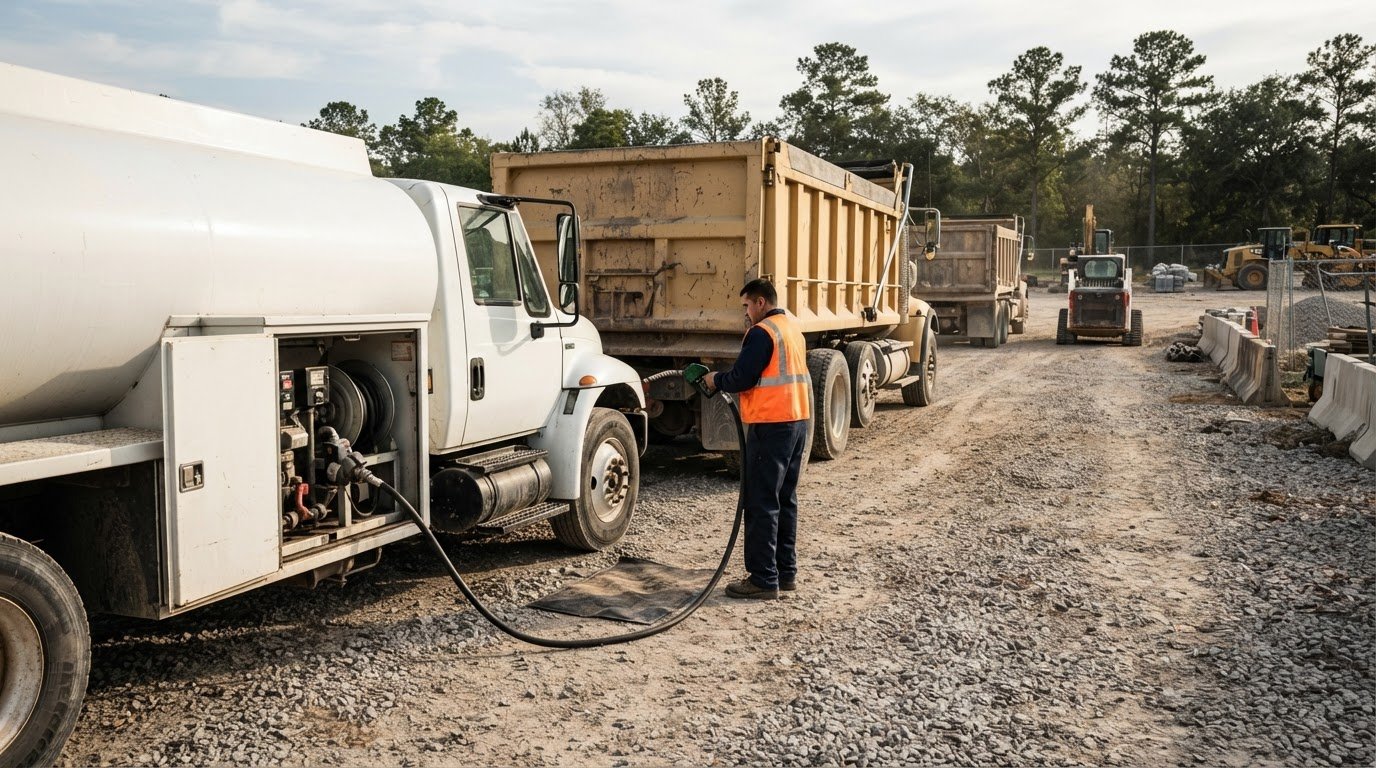
Procurement planning starts with the equipment’s fuel specification and the facility’s expected demand. The operations team can provide the fuel type, requested quantity, delivery address, and access instructions. These details help coordinate the right load and destination. If a Dallas facility also supports construction equipment, record its needs separately from generator demand. Separate requests make it easier to direct fuel to the equipment that needs it.
Organizations operating in Dallas, Houston, or Austin may have different receiving procedures at each site. A data center may use a controlled entrance, while a construction area at another listed location may have temporary access limits. A useful dispatch record includes:
- The exact delivery address and receiving entrance.
- The generator, vehicle, or equipment receiving fuel.
- The requested fuel type and quantity.
- The on-site contact and current access procedure.
National fuel movement and local delivery are separate parts of supply logistics. Procurement planning considers the selected fuel and replenishment needs; dispatch coordinates the vehicle, destination, and receiving window. Public roads connect suppliers and facilities, while roadwork or a restricted gate can affect the final approach. Current site instructions give the delivery team a clearer route to the receiving point.
For operators with multiple locations, a shared schedule can organize requests by address and equipment. For example, a Dallas generator and an Austin service vehicle have separate fuel requirements and receiving contacts. This structure helps staff identify which site needs support and keeps requests from going to the wrong location. It also makes updates easier when a facility changes its contact or entrance procedure.
A practical logistics review connects fuel procurement with delivery execution. The facility identifies the equipment and its requirements; dispatch uses the address, access details, and receiving contact to coordinate the delivery. This process creates a consistent record for routine planning and changing site conditions at locations such as Dallas, Houston, and Austin. Coordinate fuel delivery logistics around your facility’s equipment, locations, and receiving procedures.
React Fueling
React Fueling supports Dallas data centers with commercial fuel delivery for generators and on-site equipment. When a facility needs planned replenishment or fuel during an urgent supply disruption, its team can coordinate delivery around the equipment, fuel type, site address, and receiving instructions. Generator Fueling Service and Equipment Fueling Service address different operational needs, while Fuel Delivery supports broader commercial supply requirements. These services fit facilities seeking professional fuel logistics rather than an in-house delivery process. Share the generator or equipment details, delivery location, and fuel requirement so the request can be directed appropriately. For fuel supply support at your Dallas facility, contact React Fueling.
Put a Clear Fuel Plan in Motion
A resilient approach to fuel solutions for data centers in Dallas starts with a plan that reflects how your facility operates. Decide who coordinates fuel requests, how site access is managed, and which equipment takes priority during an interruption. Keeping those details current helps your operations team respond clearly when conditions change.
React Fueling supports commercial operations with Diesel Delivery, Equipment Fueling Service, and Fuel Delivery. These services address fuel needs for generators and on-site equipment, whether the requirement is routine supply or a specific operational demand. Share your facility location, equipment details, fuel type, and receiving instructions to make the next conversation focused and useful.
Contact React Fueling to discuss your fuel support needs and take the next step toward a plan built around your facility. Clear coordination can help your team move forward with confidence.
Frequently Asked Questions
What fuel services are available throughout Dallas?
React Fueling provides commercial diesel and fuel delivery, equipment fueling, generator fueling, and emergency fuel delivery for Dallas operations. Generator fueling can support a data center’s backup-power equipment, while equipment fueling serves eligible on-site machinery. React Fueling serves Houston, TX; Austin, TX; San Antonio, TX; Dallas, TX; College Station, TX, and Magnolia. The right service depends on the equipment, required fuel, and delivery location.
How can a fuel provider help a Dallas data center secure reliable fuel contracts and emergency deliveries?
A fuel provider can coordinate delivery requirements and emergency requests, while contract terms depend on the agreement. To make planning practical, outline expected fuel types, delivery locations, generator requirements, and how urgent requests will be communicated. React Fueling offers scheduled and urgent Diesel Delivery, as well as Emergency Fuel Delivery. Clear site and equipment details keep the supply discussion focused on operational needs.